


x





























从与原作比例一致的预设尺寸中进行选择。

您可以输入自定义尺寸,以适配特定的画框或空间。如果所选尺寸与原图比例不符,我们将通过裁剪作品或添加手绘元素来扩展画面。数字样稿将在制作开始前发送给您确认。
请注意,屏幕预览无法准确反映实际的裁剪或扩展效果,只有样稿才能真实呈现最终的构图。
虽然我们提供定制尺寸服务,但为了保留原作比例,建议您从预设列表中选择尺寸。

Eberhard Grisebach
复制品尺寸
In the hauntingly beautiful canvas of Edvard Munch’s 1893 masterpiece, “Eberhard Grisebach,” we encounter far more than a mere likeness of a man; we are invited into a visceral landscape of the human psyche. This portrait serves as a profound visual distillation of the anxieties that gripped Europe at the dawn of the 20th century. The painting centers on a solitary figure, likely Grisebach, draped in a striking and formal red suit that commands immediate attention. Yet, despite the outward appearance of sophistication and status, there is an unmistakable aura of apprehension clinging to the subject. His gaze, averted downwards, suggests a soul lost in deep introspection, retreating from the external world into a private realm of preoccupation and internal unrest.
Munch’s signature Expressionist style breathes life into this psychological tension through a masterful command of texture and color. The artist employs bold, swirling brushstrokes that create a sense of movement, as if the very air around the subject is vibrating with unease. The palette is deliberately jarring, dominated by intense reds and yellows that clash to heighten the viewer's sense of impending doom. Through the use of thick impasto, Munch lends a tactile physicality to the paint, making the emotional turmoil feel heavy and inescapable. For the collector or interior designer, this piece offers a commanding presence, acting as a focal point that brings both depth and a sophisticated, moody energy to any curated space.
To understand “Eberhard Grisebach,” one must look beneath the surface of the formal attire to the symbolic language Munch so meticulously crafted. The vibrant red of the suit, while traditionally associated with passion and authority, is used here paradoxically to underscore the subject's vulnerability. It acts as a bright, exposed wound against the more somber elements of the composition, highlighting the fragility of human existence amidst a changing world. This era was defined by the philosophical tremors following Nietzsche’s proclamation that "God is dead," a shift that left Europe grappling with a profound loss of traditional certainty and a burgeoning sense of nihilism.
Munch, whose own life was shadowed by the early loss of loved ones to illness, channeled this collective disillusionment into his art. The painting sits at the intersection of Symbolism and Expressionism, prioritizing subjective emotional experience over objective reality. Every element—from the downward tilt of the head to the turbulent textures of the background—serves to communicate a state of being rather than just a moment in time. For those seeking to adorn their homes with art that provokes thought and conversation, this reproduction offers an unparalleled opportunity to possess a fragment of art history’s most profound exploration of the modern human condition.
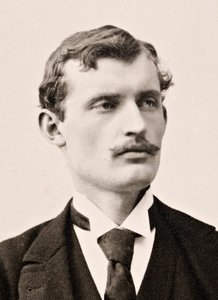
1863 - 1944 , 瑞典

Explore the profound history of Expressionism. From Edvard Munch to Jackson Pollock, discover how artists used distortion and color to convey raw emotion. A definitive guide for art lovers seeking deep historical context and mastery in fine art reproductions.

Master the art of visual analysis with our professional guide to formal art analysis. Learn to decode line, color, texture, and composition like an art historian to uncover the true essence behind the world's greatest masterpieces.

Explore the profound history of Surrealist Expressionism. Discover how artists blended dream logic with raw emotion to navigate post-war trauma through masterful, evocative imagery and psychological depth.


第一时间获取最新的艺术新闻、独家优惠及装饰灵感。
向我们介绍您的项目需求,我们的艺术专家将为您提供 3 个个性化的艺术品推荐。
由我们的专家为您精选 3 款心仪之作 —— 完全免费!


 效果预览
效果预览
 购买印刷品
购买印刷品 分享
分享 分享
分享
 详情
详情

 下载
下载
 相似作品
相似作品 X射线
X射线 幻灯片播放
幻灯片播放

 展开详情
展开详情









 玻璃选项仅适用于110厘米以下的尺寸。


