


x
 Oil On CanvasWallArtExpressionism
 1894Modern
 136.0 x 110.0 cm
购买高分辨率增强版数字图像,其品质远超在线预览。
每一份文件都由我们的内部专家使用先进工具与专业的后期润色技术精心打造。我们确保每一张图像都具备卓越的清晰度、精准的色彩还原度以及细腻的细节表现。
最终文件将在 72 小时内通过电子邮件交付,并针对专业、编辑及印刷用途进行了优化。其品质与顶级设计工作室、出版社和画廊所信赖的标准完全一致。
选择 Most-Famous-Paintings.com,您获得的不仅仅是一张图像——您收到的是经过专业级增强、精雕细琢的数字艺术作品,并享有满意保证。以下是您的订单中自动包含的所有内容:

您的高分辨率数字图像文件将在下单后 72 小时内通过电子邮件发送给您 —— 即可立即使用。

您的艺术品经过专业优化,结合先进的 AI 技术与人工修饰,确保呈现极致的细节、清晰度与色彩准确度。

不小心删除了文件或找不到了?没关系——我们将随时为您免费重发。

即刻拥有您的艺术作品,无需支付任何关税、税费或运费——数字下载始终免税。

我们通过专业工具与色彩管理技术,确保您的数字图像尽可能真实地还原原作色彩。

如果您对所购买的数字图像不满意,我们将在60天内为您进行修改或退还100%的款项——无需任何解释。

如果不满意?在收到数字文件后的60天内,我们为您提供全额退款——无需任何理由。

购买 3 张图片可享 10% 折扣 - 购买 5 张可享 15% 折扣 - 购买 10+ 张可享 20% 折扣。非常适合创意项目、画廊和机构使用。
Edvard Munch’s *Eye in Eye*, painted in 1894, isn’t merely a depiction of two figures; it’s a visceral plunge into the depths of human emotion. This arresting canvas, measuring just over a foot square, immediately commands attention with its bold colors and unsettling intimacy. It's a cornerstone of the Expressionist movement, a period defined by artists seeking to convey subjective experience rather than objective reality – a pursuit that Munch embodies with unparalleled intensity. The scene unfolds beneath a gnarled tree, framing two individuals locked in a silent, charged exchange: a man and a woman, their eyes meeting across a space both intimate and fraught with unspoken tension. The composition isn’t about narrative; it's about the raw feeling of connection – or perhaps, disconnection – that permeates human interaction. The muted palette—earthy browns, deep blues, and flashes of crimson—contributes to an atmosphere of melancholy and unease, mirroring the psychological landscape Munch so masterfully explored.
Munch’s technique is deliberately rough-hewn, reflecting the turbulent emotions he sought to capture. Thick, visible brushstrokes dominate the canvas, creating a sense of immediacy and urgency. The forms are distorted, subtly unsettling the viewer's perception of reality. Notice how the figures aren’t rendered with photographic precision; instead, they possess an almost sculptural quality, emphasizing their physicality and vulnerability. The background—a simple house receding into shadow—provides context without distracting from the central drama unfolding between the two subjects. The inclusion of two clocks – one on the left, another towards the center – adds a layer of complexity, hinting at the relentless passage of time and perhaps the urgency driving their encounter. A solitary bird soaring above the tree introduces an element of dynamism, a fleeting moment of freedom against the backdrop of contained emotion.
The symbolism within *Eye in Eye* is layered and open to interpretation, reflecting Munch’s own preoccupation with themes of anxiety, love, and death. The eye-to-eye contact itself is profoundly significant. It's not a simple act of recognition; it’s an intense, almost confrontational gaze that suggests vulnerability, judgment, or perhaps even a shared understanding of something unspoken. The absence of mouths adds to the painting’s enigmatic quality, forcing the viewer to project their own emotions and interpretations onto the scene. The trees, frequently associated with life, death, and connection to nature in art history, here seem to act as a barrier, subtly separating the figures from the outside world and intensifying their internal dialogue.
The clocks are particularly potent symbols. They represent not just time but also mortality and the pressure of societal expectations. Their presence underscores the sense that this encounter is fleeting, imbued with a certain urgency. The bird, a traditional symbol of freedom and hope, offers a brief respite from the prevailing mood of melancholy, suggesting a yearning for escape or transcendence. The house in the background—a simple, unassuming structure—represents domesticity and perhaps the constraints within which these two individuals find themselves. It’s a space of potential connection but also of unspoken tensions.
To fully appreciate *Eye in Eye*, it's crucial to understand the context in which it was created – the late 19th century, a period marked by rapid social and technological change, alongside growing anxieties about modernity. Munch, along with Vincent van Gogh and Egon Schiele, was at the forefront of the Expressionist movement, rejecting the conventions of academic art in favor of subjective emotional expression. His work often explored themes of psychological distress, alienation, and the darker aspects of human experience – subjects that resonated deeply with a generation grappling with uncertainty and disillusionment. Munch’s personal life—marked by tragedy, illness, and mental instability—fueled his artistic vision, imbuing his paintings with an undeniable sense of raw emotion. His exploration of these themes continues to resonate powerfully today.
Considered alongside other works like *Despair* and *Anxiety*, *Eye in Eye* exemplifies Munch’s ability to distill complex emotions into a single, arresting image. It's a testament to his skill as an artist and his profound understanding of the human psyche. For those seeking a deeper appreciation of Expressionism or simply captivated by Munch’s haunting vision, reproductions of *Eye in Eye* offer a powerful way to connect with this seminal work of art.
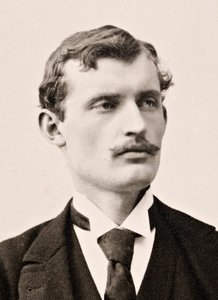
1863 - 1944 , 瑞典


第一时间获取最新的艺术新闻、独家优惠及装饰灵感。
向我们介绍您的项目需求,我们的艺术专家将为您提供 3 个个性化的艺术品推荐。
由我们的专家为您精选 3 款心仪之作 —— 完全免费!


 效果预览
效果预览
 购买印刷品
购买印刷品 分享
分享 分享
分享
 详情
详情

 下载
下载
 相似作品
相似作品 X射线
X射线 幻灯片播放
幻灯片播放 展开详情
展开详情


