x





























从与原作比例一致的预设尺寸中进行选择。

您可以输入自定义尺寸,以适配特定的画框或空间。如果所选尺寸与原图比例不符,我们将通过裁剪作品或添加手绘元素来扩展画面。数字样稿将在制作开始前发送给您确认。
请注意,屏幕预览无法准确反映实际的裁剪或扩展效果,只有样稿才能真实呈现最终的构图。
虽然我们提供定制尺寸服务,但为了保留原作比例,建议您从预设列表中选择尺寸。

Harvest
复制品尺寸
In the quiet, evocative depths of Edvard Munch's 1909 masterpiece, "Harvest," we encounter a world where the boundaries between the physical landscape and the human psyche begin to dissolve. This striking black and white canvas serves as more than a mere depiction of a pastoral moment; it is a profound meditation on the cyclical nature of life, loss, and the enduring embrace of the natural world. As an exemplar of Expressionism, the painting eschews the objective clarity of realism to instead prioritize the visceral, emotional truth of the scene. Through a deliberate use of tonal variation and gestural brushwork, Munch invites the viewer into a space of quiet contemplation, where the rustle of leaves and the stillness of the figures suggest a moment suspended in time.
The composition is masterfully centered around two female figures positioned within a grove of trees. There is an intimate, almost voyeuristic quality to their placement, as if we have stumbled upon a private vigil. Munch employs a flattened perspective that heightens this sense of intimacy, bringing the background foliage into a closer, more pressing relationship with the subjects. The trees themselves, rendered with loose and spontaneous lines, reach upward like skeletal fingers, partially obscuring the sky and creating a sense of enclosure. This lack of rigid geometric structure allows for a dynamic portrayal of movement, where the organic shapes of the women's forms blend seamlessly into the irregular, textured contours of the landscape.
To behold "Harvest" is to feel the weight of Munch’s personal history. The artist’s life was profoundly shaped by the shadows of mortality, specifically the premature deaths of his mother and sister from tuberculosis. These early traumas infused his work with a haunting preoccupation with grief and the fragility of existence. In this piece, the monochromatic palette—a spectrum of somber grays and deep blacks—acts as a visual echo of such sorrow. The absence of vibrant color strips away any superficial distractions, forcing the eye to focus on the impasto technique, where thick, layered applications of paint create a rugged, tactile surface. This textural richness mirrors the weathered landscape, suggesting that even in decay, there is a profound, textured beauty.
For the discerning collector or interior designer, "Harvest" offers an unparalleled emotional depth that can anchor a room with its quiet intensity. The painting does not demand attention through loud colors but commands it through atmospheric resonance. It functions as a window into the soul of Expressionism, making it an ideal centerpiece for spaces designed for reflection and intellectual engagement. Whether viewed as a study in light and shadow or as a symbolic narrative of life's fleeting nature, the artwork provides a sophisticated layer of storytelling to any curated collection.
Ultimately, Munch’s "Harvest" remains a timeless exploration of the human condition. It captures the tension between the vulnerability of the individual and the indomitable strength of nature. By embracing imperfection through his gestural strokes and avoiding the trap of photographic precision, Munch achieves a level of emotional resonance that continues to captivate modern audiences. It is a piece that does not merely sit upon a wall; it breathes with the heavy, beautiful rhythm of memory and the eternal cycle of the earth.

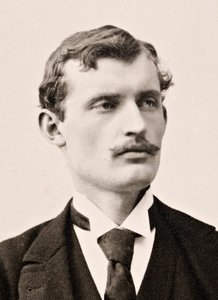
1863 - 1944 , 瑞典

Explore the profound artistry of black and white photography. From the chemistry of gelatin silver to the chiaroscuro of the Old Masters, discover how monochrome captures the eternal essence of light, form, and emotion for the discerning art collector.


第一时间获取最新的艺术新闻、独家优惠及装饰灵感。
向我们介绍您的项目需求,我们的艺术专家将为您提供 3 个个性化的艺术品推荐。
由我们的专家为您精选 3 款心仪之作 —— 完全免费!


 效果预览
效果预览
 购买印刷品
购买印刷品 分享
分享 分享
分享
 详情
详情

 下载
下载
 相似作品
相似作品 X射线
X射线 幻灯片播放
幻灯片播放

 展开详情
展开详情









 玻璃选项仅适用于110厘米以下的尺寸。