


x





























从与原作比例一致的预设尺寸中进行选择。

您可以输入自定义尺寸,以适配特定的画框或空间。如果所选尺寸与原图比例不符,我们将通过裁剪作品或添加手绘元素来扩展画面。数字样稿将在制作开始前发送给您确认。
请注意,屏幕预览无法准确反映实际的裁剪或扩展效果,只有样稿才能真实呈现最终的构图。
虽然我们提供定制尺寸服务,但为了保留原作比例,建议您从预设列表中选择尺寸。

Hermann Schlittgen
复制品尺寸
Edvard Munch's "The Man," painted in 1893, stands as a haunting testament to the anxieties simmering beneath the surface of late nineteenth-century European consciousness. More than just a depiction of an individual figure, it embodies a profound exploration of psychological distress—a preoccupation with themes that would solidify Munch’s reputation as one of the pioneers of Expressionism and profoundly influence subsequent artistic movements.
Beyond its formal elements, “The Man” is laden with symbolic significance. The yellow wall behind the figure represents warmth and optimism—a deceptive façade concealing a darker reality. It contrasts sharply with the man’s muted palette, highlighting his isolation and vulnerability. Crucially, the umbrella held by the man serves as a poignant emblem of protection against an unseen threat—perhaps representing futile attempts to shield oneself from overwhelming emotions or inescapable fate.
"The Man" transcends mere portraiture; it’s an unflinching portrayal of psychological anguish. Munch's ability to distill complex emotions into a single image is remarkable, capturing the essence of existential dread with breathtaking subtlety. The painting compels viewers to confront uncomfortable questions about identity, mortality, and the human experience—leaving them with a lingering sense of unease and contemplation.

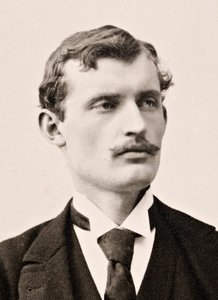
1863 - 1944 , 瑞典


第一时间获取最新的艺术新闻、独家优惠及装饰灵感。
向我们介绍您的项目需求,我们的艺术专家将为您提供 3 个个性化的艺术品推荐。
由我们的专家为您精选 3 款心仪之作 —— 完全免费!


 效果预览
效果预览
 购买印刷品
购买印刷品 分享
分享 分享
分享
 详情
详情

 下载
下载
 相似作品
相似作品 X射线
X射线 幻灯片播放
幻灯片播放
 展开详情
展开详情









 玻璃选项仅适用于110厘米以下的尺寸。


