x





























从与原作比例一致的预设尺寸中进行选择。

您可以输入自定义尺寸,以适配特定的画框或空间。如果所选尺寸与原图比例不符,我们将通过裁剪作品或添加手绘元素来扩展画面。数字样稿将在制作开始前发送给您确认。
请注意,屏幕预览无法准确反映实际的裁剪或扩展效果,只有样稿才能真实呈现最终的构图。
虽然我们提供定制尺寸服务,但为了保留原作比例,建议您从预设列表中选择尺寸。

Jealousy 3
复制品尺寸
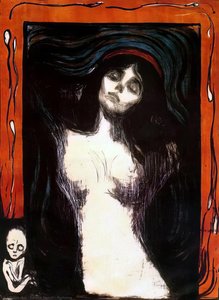
In the hauntingly beautiful canvas of Edvard Munch’s Jealousy, painted in 1895, we are not merely observers of a scene, but witnesses to a psychological storm. This masterpiece serves as a cornerstone of the Expressionist movement, a period where artists began to tear away the veil of objective reality to reveal the raw, often uncomfortable, truths of the human psyche. The painting presents a triangular confrontation: a man with a heavy, bearded presence stares intently at two women, his gaze thick with suspicion and possessiveness. There is an undeniable magnetism in this composition, a sense that we have stumbled upon a private moment of profound emotional upheaval. For the collector or the designer, this piece offers more than just visual interest; it provides a window into the universal complexities of desire and resentment.
Munch’s technique is nothing short of visceral. Eschewing the delicate, light-dappled strokes of Impressionism, he embraced a bold, emotive approach that prioritizes feeling over form. The palette is dominated by a fiery crimson that pulses through the background, acting as a visual metaphor for the heat of passion and the consuming nature of envy. Through the use of thick impasto, Munch creates a textured surface that mirrors the agitation of the subjects' souls. The distorted facial features and fluid, almost liquid lines contribute to an atmosphere of instability, making the canvas feel alive with movement and unease. This tactile quality ensures that a high-quality reproduction remains a striking focal point in any curated space, drawing the eye with its rhythmic energy and dramatic depth.
Beyond the immediate visual drama, Jealousy is layered with profound symbolism that connects the personal to the primordial. The figures within the frame evoke the biblical archetypes of Adam and Eve, a theme Munch frequently revisited to explore themes of temptation and fallibility. The woman in red, positioned as a beacon of allure, represents the very object of desire that fuels the man's torment. Her presence is both captivating and threatening, much like the "sinful" apple that often accompanies such allegories. Even the subtle inclusion of greenery and natural elements serves to contrast the organic world with the unnatural, suffocating grip of human emotion. This interplay between the seen and the unseen allows the artwork to resonate on multiple intellectual levels.
To possess or display a work inspired by Munch is to invite a conversation about the depths of human experience. The painting does not offer easy comfort; instead, it celebrates the beauty found in vulnerability and the intensity of our most difficult emotions. For interior designers seeking to add a sense of narrative weight and intellectual sophistication to a room, this piece acts as an anchor of profound meaning. It is a work that demands attention, inviting viewers to contemplate the shadows of the human heart while appreciating the masterful execution of one of history's most influential psychological painters.
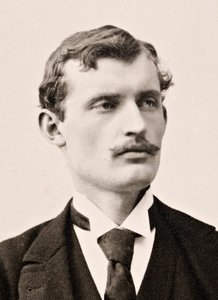
1863 - 1944 , 瑞典
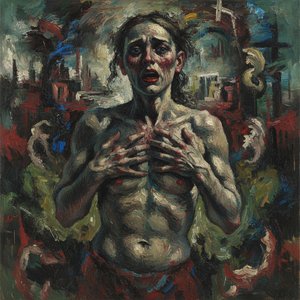
Explore the profound depth of Figurative Expressionism. From Edvard Munch to William H. Johnson, learn how masters use the human form to capture raw emotion through color and distortion in this expert art history guide.

Explore the profound history of Expressionism. From Edvard Munch to Jackson Pollock, discover how artists used distortion and color to convey raw emotion. A definitive guide for art lovers seeking deep historical context and mastery in fine art reproductions.


第一时间获取最新的艺术新闻、独家优惠及装饰灵感。
向我们介绍您的项目需求,我们的艺术专家将为您提供 3 个个性化的艺术品推荐。
由我们的专家为您精选 3 款心仪之作 —— 完全免费!


 效果预览
效果预览
 购买印刷品
购买印刷品 分享
分享 分享
分享
 详情
详情

 下载
下载
 相似作品
相似作品 X射线
X射线 幻灯片播放
幻灯片播放

 展开详情
展开详情









 玻璃选项仅适用于110厘米以下的尺寸。