x





























从与原作比例一致的预设尺寸中进行选择。

您可以输入自定义尺寸,以适配特定的画框或空间。如果所选尺寸与原图比例不符,我们将通过裁剪作品或添加手绘元素来扩展画面。数字样稿将在制作开始前发送给您确认。
请注意,屏幕预览无法准确反映实际的裁剪或扩展效果,只有样稿才能真实呈现最终的构图。
虽然我们提供定制尺寸服务,但为了保留原作比例,建议您从预设列表中选择尺寸。

Vågen munch museum, oslo
复制品尺寸
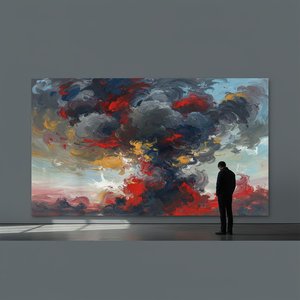
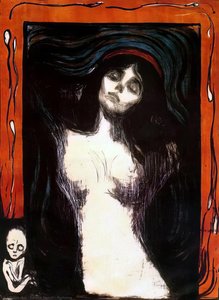
Edvard Munch’s “Vågen Munch Museum, Oslo” isn't merely a landscape painting; it’s a visceral embodiment of existential angst rendered in the luminous hues of twilight. Captured sometime around 1893, this monumental canvas—likely conceived during Munch’s formative years as an Expressionist—immediately draws the viewer into a scene brimming with unspoken emotion and psychological depth.
The composition itself is deceptively simple. A vast expanse of fjord water dominates the lower half of the painting, reflecting the fading embers of sunset. Scattered amongst the dark pines lining the shoreline are trees – not idealized representations of nature but rendered with agitated brushstrokes that convey a sense of turbulence and unease. Two figures stand prominently in the foreground, positioned near the center of the composition, their postures conveying a palpable tension.
"Vågen Munch Museum, Oslo" emerged during a period of profound intellectual and social upheaval—the late 1890s. Sigmund Freud’s groundbreaking work on psychoanalysis was beginning to reshape understandings of the human psyche, exploring unconscious desires and anxieties. Munch's painting reflects this burgeoning interest in psychological exploration, capturing the pervasive sense of dread that characterized the era.
Furthermore, Munch’s personal life—marked by familial tragedy and recurring bouts of mental illness—fueled his artistic vision. The death of his sister Sophie from tuberculosis profoundly impacted him, instilling a lifelong preoccupation with mortality and vulnerability. This biographical element informs the painting's symbolic resonance, suggesting an awareness of human fragility against the backdrop of nature’s indifference.
The figures in “Vågen” are deliberately ambiguous, their faces obscured by shadow—a technique frequently employed by Munch to convey emotional concealment. They stand alone on the shoreline, embodying a sense of isolation and vulnerability amidst the grandeur of the landscape. The turbulent fjord water symbolizes the overwhelming forces of nature and, metaphorically, the anxieties that threaten to consume the human spirit.
Ultimately, “Vågen Munch Museum, Oslo” transcends its visual description; it’s an invitation to contemplate the complexities of human emotion—fear, sorrow, longing—and to appreciate Munch's unparalleled ability to translate psychological experience into a powerfully evocative artwork. Its enduring appeal lies in its capacity to resonate with viewers across generations, reminding us that art can illuminate the darkest recesses of our inner lives.
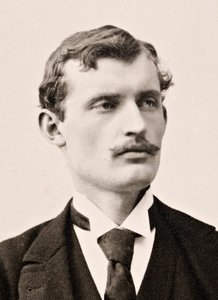
1863 - 1944 , 瑞典

探索爱德华·蒙克25幅传世杰作,感受表现主义大师笔下的焦虑与灵魂深处。高清油画复制、艺术品购买及室内装饰灵感尽在Most-Famous-Paintings.com!发现更多经典名画。

Explore the profound world of Clyfford Still's Abstract Expressionism with Most-Famous-Paintings. Discover his unique style, existential themes & investment potential. Expert analysis for discerning collectors.

Explore the history of serene landscapes in art! Discover renowned artists like Monet & Munch, movements from Impressionism to Tonalism, and find the perfect piece to bring tranquility to your home. Expert insights at Most-Famous-Paintings.

Explore the evolution of cityscape painting from Realism to contemporary art with Most-Famous-Paintings. Discover key artists & invest in timeless urban visions. Expert guidance, museum-quality reproductions.


第一时间获取最新的艺术新闻、独家优惠及装饰灵感。
向我们介绍您的项目需求,我们的艺术专家将为您提供 3 个个性化的艺术品推荐。
由我们的专家为您精选 3 款心仪之作 —— 完全免费!


 效果预览
效果预览
 切换至印刷版
 分享
分享 分享
分享
 详情
详情

 下载
下载
 相似作品
相似作品 X射线
X射线 幻灯片播放
幻灯片播放
 展开详情
展开详情









 玻璃选项仅适用于110厘米以下的尺寸。