x





























从与原作比例一致的预设尺寸中进行选择。

您可以输入自定义尺寸,以适配特定的画框或空间。如果所选尺寸与原图比例不符,我们将通过裁剪作品或添加手绘元素来扩展画面。数字样稿将在制作开始前发送给您确认。
请注意,屏幕预览无法准确反映实际的裁剪或扩展效果,只有样稿才能真实呈现最终的构图。
虽然我们提供定制尺寸服务,但为了保留原作比例,建议您从预设列表中选择尺寸。

untitled (3556)
复制品尺寸
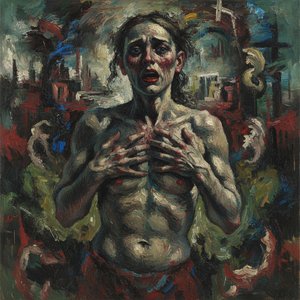
In the hauntingly somber depths of Edvard Munch's untitled (3556), we encounter more than just a painted figure; we meet an embodiment of the human psyche at its most vulnerable. Painted between 1908 and 1910, this oil on canvas serves as a visual distillation of the profound anxieties that gripped Europe during the turn of the century. The artwork does not merely depict a man; it captures a state of being—a heavy, palpable sense of melancholy and isolation. Through a deliberate and unsettling palette of dark browns, deep blacks, and muted reds, Munch invites the viewer into a world where shadows seem to breathe and the atmosphere is thick with introspection.
The composition centers on a solitary male figure, positioned slightly off-center, whose presence dominates the frame with an almost overwhelming gravity. There is no escape from his gaze, which carries the weight of untold sorrows. The background does not provide relief; instead, it consists of a dense, swirling mass of amorphous shapes and hazy, atmospheric conditions that seem to press inward upon the subject. This flattened perspective creates a sense of confinement, trapping the figure within a psychological landscape that mirrors the internal turbulence of the modern soul.
While Munch is celebrated as a pioneer of Expressionism, untitled (3556) reveals a fascinating dialogue with Impressionistic echoes. The technique is characterized by thick, impasto brushstrokes that lend the surface a rugged, tactile quality. These heavy layers of paint do not merely represent form; they physically manifest the artist's emotional fervor. Unlike the Impressionists, who sought to capture the fleeting dance of light upon a landscape, Munch utilizes these textured strokes to sculpt emotion itself, creating a surface that feels as restless and agitated as the subject's inner thoughts.
The lighting within the piece is diffused and intentionally flat, eschewing traditional chiaroscuro for a more atmospheric approach. This lack of sharp definition allows the shadows to bleed into the figure, blurring the boundaries between the man and his environment. For collectors and designers alike, this technique offers a profound sensory experience; the painting possesses a physical depth that commands attention in any setting, acting as a focal point that draws the eye into its swirling, dark mysteries.
To understand the power of this work, one must look to the historical shadow of the fin-de-siècle. This was an era defined by profound social and intellectual upheaval—a time when the waning influence of Victorian morality met the unsettling discoveries of modern science and psychology. Munch’s work emerged from this crucible of uncertainty, reflecting a growing awareness of mortality, illness, and the complexities of the subconscious mind. His personal history, marked by the tragic loss of his mother and sister to tuberculosis, deeply informs the themes of sickness and fragility present in this piece.
For those seeking to bring a sense of profound narrative and historical weight into an interior space, untitled (3556) offers unparalleled inspiration. It is a piece that transcends mere decoration, offering instead a window into the very essence of human endurance and existential questioning. Whether viewed as a masterpiece of psychological portraiture or a triumph of expressive technique, this work remains a timeless testament to the beauty found within our most difficult emotions.
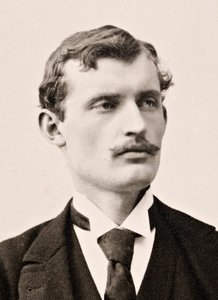
1863 - 1944 , 瑞典
Explore the profound depth of Figurative Expressionism. From Edvard Munch to William H. Johnson, learn how masters use the human form to capture raw emotion through color and distortion in this expert art history guide.

Explore the profound history of Expressionism. From Edvard Munch to Jackson Pollock, discover how artists used distortion and color to convey raw emotion. A definitive guide for art lovers seeking deep historical context and mastery in fine art reproductions.

Explore the profound history and technical brilliance of oil on panel painting. From Renaissance masters to modern techniques, discover why this rigid support offers unparalleled precision and permanence for fine art lovers and collectors.


第一时间获取最新的艺术新闻、独家优惠及装饰灵感。
向我们介绍您的项目需求,我们的艺术专家将为您提供 3 个个性化的艺术品推荐。
由我们的专家为您精选 3 款心仪之作 —— 完全免费!


 效果预览
效果预览
 购买印刷品
购买印刷品 分享
分享 分享
分享
 详情
详情

 下载
下载
 相似作品
相似作品 X射线
X射线 幻灯片播放
幻灯片播放

 展开详情
展开详情









 玻璃选项仅适用于110厘米以下的尺寸。