x





























从与原作比例一致的预设尺寸中进行选择。

您可以输入自定义尺寸,以适配特定的画框或空间。如果您选择的尺寸与原图比例不符,我们将对作品进行裁剪,或通过镜像填充/纯色填充边缘的方式来扩展图像。在开始制作之前,我们会向您发送一份数字效果图供您确认。
请注意,屏幕上的预览并不能反映实际的裁剪或扩展效果。只有效果图才能准确展示最终的构图。
虽然我们提供定制尺寸,但为了保持原图比例,我们建议您从预设列表中选择尺寸。

untitled (6380)
复制品尺寸
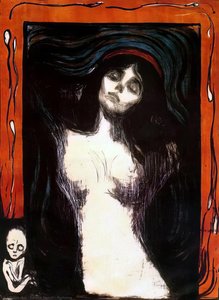
Edvard Munch's "Untitled (6380)," painted in 1893, isn’t merely a depiction of a family; it’s a raw, visceral exploration of human connection and the anxieties simmering beneath the surface of everyday life. Often referred to as “The Family,” this work transcends simple portraiture, plunging viewers into a world saturated with emotion—a world deeply rooted in Munch's own turbulent personal history and the burgeoning currents of Expressionism.
The scene unfolds on a rugged, windswept shoreline, likely inspired by the Oslofjord region of Norway, Munch’s homeland. A man, distinguished by his striking red hat, sits with his wife and child, their faces turned towards the viewer in an almost unnerving stillness. The composition is deliberately unbalanced; the figures are positioned slightly off-center, creating a sense of unease and instability. The background, rendered in muted blues and greys, suggests a vast, indifferent landscape – a powerful counterpoint to the intimate drama unfolding within the family group.
To understand “Untitled (6380),” one must delve into Munch's intensely personal life. Haunted by the early deaths of his mother and sister from tuberculosis, and grappling with his own struggles with mental illness, Munch channeled his profound grief and anxieties onto the canvas. The painting isn’t a celebration of familial bliss; rather, it feels imbued with a quiet melancholy—a subtle acknowledgment of loss and vulnerability. The figures' averted gazes and the somber atmosphere contribute to this sense of unspoken sorrow.
Munch’s artistic journey was profoundly shaped by his father’s strict religious beliefs and his own experiences with psychological distress. He sought to move beyond mere representation, aiming instead to capture the subjective experience—the raw, unfiltered emotions that lie beneath the surface of reality. This pursuit led him to develop a distinctive style characterized by distorted forms, exaggerated colors, and an emphasis on conveying inner turmoil.
Technically, “Untitled (6380)” showcases Munch’s masterful use of color and form. He employs a limited palette—primarily blues, greys, browns, and the vibrant red of the father's hat—to create a mood of subdued intensity. The figures are rendered with loose, expressive brushstrokes, lending them an almost ethereal quality. Notice how the light seems to emanate from within the family, casting long shadows that further emphasize their isolation.
Munch’s technique is particularly evident in his treatment of the landscape. Rather than meticulously depicting the details of the shoreline, he uses broad, sweeping strokes to create a sense of movement and atmosphere. The rocks and water are rendered with an almost dreamlike quality, blurring the boundaries between reality and imagination.
Beyond its technical merits, “Untitled (6380)” is rich in symbolism. The red hat worn by the father can be interpreted as a symbol of authority or perhaps even warning—a visual reminder of the burdens of responsibility. The child’s averted gaze suggests a sense of innocence and vulnerability, while the mother's expression hints at a deep well of unspoken emotions.
Ultimately, “Untitled (6380)” is a poignant meditation on the complexities of family relationships—the joys, sorrows, and anxieties that shape our lives. It’s a work that invites viewers to contemplate their own experiences of connection and loss, offering a glimpse into the depths of the human soul. Reproductions of this powerful image capture not just an image, but the very essence of Munch's artistic vision.
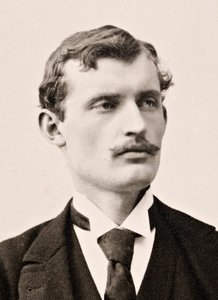
1863 - 1944 , 瑞典
探索表现主义的灵魂!本文精选十幅名作,从莫迪里亚尼到夏加尔,揭秘大师背后的故事与艺术魅力。感受色彩的力量,重塑您的家居空间。Most-Famous-Paintings.com 提供博物馆品质的艺术复制品和个性化装饰方案。立即在线探索全系列!

Delve into the power of 'Ivory Black' with 10 iconic paintings by masters like Rembrandt & Caravaggio. Explore dramatic chiaroscuro, gothic moods & timeless art history. Find museum-quality reproductions and elevate your home decor at

Explore 10 legendary acrylic paintings that revolutionized modern art! From Helen Frankenthaler's color fields to Richter’s abstract power, discover the stories behind these iconic masterpieces. Find museum-quality reproductions & elevate your home decor on Most-Famous-Paintings.com.
Delve into the power of 'Mars Black' with 10 iconic paintings by masters like Rembrandt & Caravaggio. Explore dramatic chiaroscuro, gothic art, and timeless beauty. Find museum-quality reproductions & elevate your home decor on .

Explore 10 legendary 'Acrylic on Paper' masterpieces by artists like Helen Frankenthaler & Gerhard Richter. Discover abstract expressionism, color field painting & the evolution of modern art. Find museum-quality reproductions for your home at Most-Famous-Paintings.com.


第一时间获取最新的艺术新闻、独家优惠及装饰灵感。
向我们介绍您的项目需求,我们的艺术专家将为您提供 3 个个性化的艺术品推荐。
由我们的专家为您精选 3 款心仪之作 —— 完全免费!


 效果预览
效果预览
 购买手绘画作
 分享
分享 分享
分享
 详情
详情

 下载
下载
 相似作品
相似作品 X射线
X射线 幻灯片播放
幻灯片播放

 展开详情
展开详情









 玻璃选项仅适用于110厘米以下的尺寸。