


x





























从与原作比例一致的预设尺寸中进行选择。

您可以输入自定义尺寸,以适配特定的画框或空间。如果所选尺寸与原图比例不符,我们将通过裁剪作品或添加手绘元素来扩展画面。数字样稿将在制作开始前发送给您确认。
请注意,屏幕预览无法准确反映实际的裁剪或扩展效果,只有样稿才能真实呈现最终的构图。
虽然我们提供定制尺寸服务,但为了保留原作比例,建议您从预设列表中选择尺寸。

untitled (9592)
复制品尺寸
Edvard Munch’s “Untitled (9592)” stands as a profoundly unsettling meditation on human suffering and the weight of historical tragedy. This large-scale depiction of Christ’s crucifixion, meticulously rendered with a raw emotional intensity, immediately draws the viewer into the heart of a scene saturated with grief, disbelief, and nascent reverence. The painting isn't merely a representation of a biblical event; it is an embodiment of Munch’s lifelong preoccupation with mortality, illness, and the psychological impact of witnessing profound pain. Born in 1863 in Adelsbruk, Sweden, Munch’s artistic journey was inextricably linked to his personal traumas – the early deaths of his mother and sister from tuberculosis casting a long shadow over his creative output. This biographical context profoundly informs the work's unsettling atmosphere.
Created during a period of immense social and intellectual upheaval – the late 19th century – “Untitled (9592)” reflects the anxieties and spiritual crises that characterized the era. The rise of industrialization, coupled with advancements in science that challenged traditional religious beliefs, fostered a sense of alienation and uncertainty. Munch’s work aligns with the broader Symbolist movement, which sought to express subjective emotions and psychological states rather than objective reality. The crucifixion itself remains a potent symbol of sacrifice, redemption, and human suffering – themes that resonated deeply within European culture at the time.
More than just a historical depiction, “Untitled (9592)” is a profoundly moving exploration of the human psyche. The painting’s raw emotional intensity forces viewers to confront uncomfortable truths about mortality, pain, and faith. The faces of the onlookers – ranging from shock and despair to awe and reverence – capture the full spectrum of human response to witnessing an act of immense suffering. This work continues to resonate with audiences today because it taps into universal themes that transcend time and culture. It is a testament to Munch’s ability to translate personal anguish into a universally understood language of emotion, solidifying his place as one of the most important artists of the modern era.
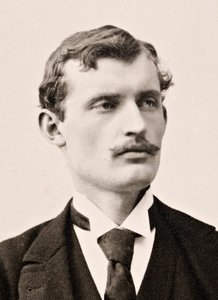
1863 - 1944 , 瑞典

Elevate your design projects with Most-Famous-Paintings's premium canvas prints and hand-painted reproductions. Discover affordable, museum-quality wall decor delivered worldwide, offering freelance decorators professional excellence, archival durability, and bespoke customization for every space.


第一时间获取最新的艺术新闻、独家优惠及装饰灵感。
向我们介绍您的项目需求,我们的艺术专家将为您提供 3 个个性化的艺术品推荐。
由我们的专家为您精选 3 款心仪之作 —— 完全免费!


 效果预览
效果预览
 购买印刷品
购买印刷品 分享
分享 分享
分享
 详情
详情

 下载
下载
 相似作品
相似作品 X射线
X射线 幻灯片播放
幻灯片播放

 展开详情
展开详情









 玻璃选项仅适用于110厘米以下的尺寸。


