x

 Oil On CanvasWallArtAmerican Impressionism
 1930
1930 72.0 x 107.0 cm




























从与原作比例一致的预设尺寸中进行选择。

您可以输入自定义尺寸,以适配特定的画框或空间。如果您选择的尺寸与原图比例不符,我们将对作品进行裁剪,或通过镜像填充/纯色填充边缘的方式来扩展图像。在开始制作之前,我们会向您发送一份数字效果图供您确认。
请注意,屏幕上的预览并不能反映实际的裁剪或扩展效果。只有效果图才能准确展示最终的构图。
虽然我们提供定制尺寸,但为了保持原图比例,我们建议您从预设列表中选择尺寸。

Corn Hill
复制品尺寸
Edward Hopper's "Corn Hill," painted in 1930, isn’t merely a depiction of a rural landscape; it’s a poignant meditation on isolation and the quiet dignity of human existence within the vastness of nature. This oil-on-canvas masterpiece, currently residing at the McNay Art Museum in San Antonio, Texas, captures a fleeting moment along the Cape Cod coast, yet resonates with an enduring sense of melancholy that has captivated viewers for decades. Hopper, a master of American Realism, skillfully employs light and shadow to evoke not just a scene, but a feeling—a subtle yearning for connection amidst a world often defined by solitude.
The painting’s composition is deceptively simple. A cluster of modest houses, rendered with Hopper's signature precision and restraint, nestles upon the crest of a rolling dune. The perspective isn’t aggressively linear; instead, it’s subtly flattened, creating an almost dreamlike quality. This deliberate avoidance of strict realism contributes to the painting’s emotional impact, suggesting a world viewed through a contemplative lens. Hopper's masterful use of light is particularly noteworthy. A diffused sunlight streams down upon the houses and the surrounding landscape, casting long shadows that emphasize their isolation. The color palette—primarily ochre, yellow, and muted blues—is restrained yet evocative, lending a sense of quiet dignity to the scene. Notice how he uses variations in tone to create depth and texture, from the smooth expanse of the dunes to the rougher contours of the buildings.
“Corn Hill” is rich with symbolic meaning. The isolated houses represent not just dwellings but also the human need for connection—a desire that often goes unfulfilled in a modern world. The vastness of the dune field underscores this sense of isolation, suggesting a vulnerability against the power of nature. The painting’s title itself, “Corn Hill,” subtly references the historical significance of the site – the location where Pilgrims stole corn from the Nauset tribe, highlighting themes of survival and adaptation. Hopper's inclusion of these details invites viewers to contemplate the relationship between humanity and its environment, as well as the enduring legacy of past events.
“Corn Hill” is a quintessential example of Edward Hopper's artistic vision. Painted during a period of significant social and economic change in America, it reflects the growing sense of alienation and uncertainty that characterized the era. Hopper’s work resonated deeply with audiences because it captured the quiet realities of everyday life—the loneliness, the unspoken desires, and the subtle beauty found within the mundane. His paintings continue to be studied and admired for their ability to evoke powerful emotions through deceptively simple compositions and masterful use of light and color. “Corn Hill” stands as a testament to Hopper’s enduring legacy as one of America's most important artists, offering a timeless reflection on the human condition.


1931 - 1967 , 美国

Explore the rich history of rural landscape painting with Most-Famous-Paintings. Discover Impressionist masterpieces, key artists & movements. Find your perfect serene artwork and bring nature's beauty home.

Explore the rich history of pastoral landscape art, from classical Arcadia to Impressionism & beyond. Discover key artists, movements, and how to collect serene rural scenes for your home. Expert insights at Most-Famous-Paintings.

Explore the rich history of rural life in painting! Discover Impressionist masterpieces, Italian Macchiaioli scenes & the enduring appeal of pastoral landscapes. Find your perfect artwork at Most-Famous-Paintings.

Explore the life & art of Edward Seago, a celebrated British Impressionist painter known for evocative landscapes & seascapes. Discover his captivating works and find high-quality reproductions at Most-Famous-Paintings.
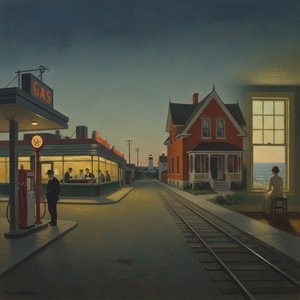
探索爱德华·霍珀25幅经典作品,感受美国现实主义的光影魅力与寂静之美。深入了解每件画作背后的故事、艺术技巧及文化意义。Most-Famous-Paintings.com提供高清油画复制和精选家居装饰灵感。立即探索完整系列!


第一时间获取最新的艺术新闻、独家优惠及装饰灵感。
向我们介绍您的项目需求,我们的艺术专家将为您提供 3 个个性化的艺术品推荐。
由我们的专家为您精选 3 款心仪之作 —— 完全免费!


 定制手绘复刻品
 分享
分享 分享
分享
 详情
详情

 下载
下载
 相似作品
相似作品 X射线
X射线 幻灯片播放
幻灯片播放 展开详情
展开详情









 玻璃选项仅适用于110厘米以下的尺寸。