x





























从与原作比例一致的预设尺寸中进行选择。

您可以输入自定义尺寸,以适配特定的画框或空间。如果您选择的尺寸与原图比例不符,我们将对作品进行裁剪,或通过镜像填充/纯色填充边缘的方式来扩展图像。在开始制作之前,我们会向您发送一份数字效果图供您确认。
请注意,屏幕上的预览并不能反映实际的裁剪或扩展效果。只有效果图才能准确展示最终的构图。
虽然我们提供定制尺寸,但为了保持原图比例,我们建议您从预设列表中选择尺寸。

The Last Supper
复制品尺寸
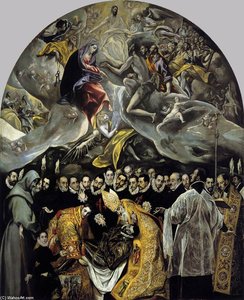
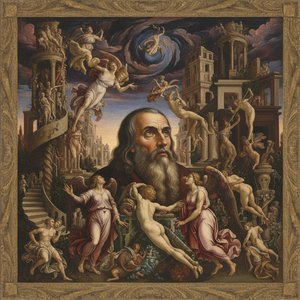
El Greco’s “The Last Supper,” painted in 1568, isn't merely a depiction of a biblical scene; it’s a visceral exploration of human emotion and spiritual tension. This masterpiece, housed within the Pinacoteca Nazionale di Bologna, transcends its religious subject matter to become a profound meditation on betrayal, faith, and the weight of impending doom. Far removed from the serene depictions favored by his contemporaries, El Greco plunges us directly into the heart of Christ’s final meal with his disciples, utilizing a revolutionary Mannerist style that would profoundly influence generations of artists to come.
The painting immediately captivates with its dynamic composition and unsettling realism. Unlike Leonardo da Vinci's meticulously balanced “Last Supper,” El Greco deliberately eschews harmony in favor of dramatic asymmetry. Figures are elongated and distorted, their faces contorted in expressions of shock, disbelief, and even anger. The spatial relationships are skewed, creating a sense of claustrophobia and intensifying the emotional impact. Notice how Christ’s hand, raised in a gesture of blessing, dominates the scene, drawing our eye while simultaneously radiating an aura of quiet authority amidst the surrounding turmoil.
El Greco's style is firmly rooted in the burgeoning Mannerist movement, which arose as a reaction against the perceived excesses of the High Renaissance. Rather than striving for idealized beauty and anatomical perfection, Mannerists prioritized expressive distortion, heightened color palettes, and complex spatial arrangements. El Greco masterfully embodies these principles, employing elongated figures that seem to ripple with inner energy. His use of color is equally striking – vibrant reds, blues, and yellows clash dramatically against muted browns and grays, creating a sense of unease and amplifying the emotional intensity of the scene.
Beyond its formal innovations, “The Last Supper” is rich in symbolic meaning. The arrangement of the apostles around the table isn’t simply a realistic depiction; it's a carefully constructed tableau designed to convey theological ideas about betrayal, sacrifice, and redemption. Observe how Judas, often identified by his distinctive green garment, sits isolated from the group, representing the act of treachery that will ultimately lead to Christ’s crucifixion. The gesture of reaching for bread and wine symbolizes the Eucharist—the central sacrament of Christianity—and the promise of eternal life.
Furthermore, El Greco's background in Byzantine iconography is evident in his use of symbolism. The figures are not rendered as individual portraits but rather as archetypal representations of humanity’s spiritual journey. The overall atmosphere of the painting suggests a profound sense of foreboding and impending tragedy, reflecting the psychological drama at the heart of the biblical narrative.
“The Last Supper” stands as a testament to El Greco's unique artistic vision—a fusion of Byzantine tradition and Western innovation. His dramatic use of color, distorted figures, and intense emotional expression broke with established conventions and paved the way for future generations of artists who sought to convey subjective experience through their work. Reproductions of this powerful image offer a remarkable opportunity to connect with one of art history’s most compelling and enigmatic figures, allowing us to contemplate the profound themes of faith, betrayal, and human suffering that continue to resonate today.

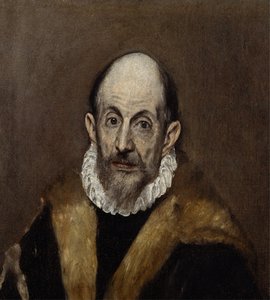
1541 - 1614 , 希腊
Explore the dramatic transition from High Renaissance harmony to Mannerist tension. Discover how masters like El Greco redefined art through distortion and spiritual intensity. An expert guide for art enthusiasts seeking deep historical context and museum-quality inspiration.

Explore the dramatic evolution of Mannerism from High Renaissance perfection to El Greco's spiritual intensity. Discover the history, techniques, and enduring legacy of this transformative era through an expert art-history lens.

Explore the profound history and technical brilliance of oil on panel painting. From Renaissance masters to modern techniques, discover why this rigid support offers unparalleled precision and permanence for fine art lovers and collectors.


第一时间获取最新的艺术新闻、独家优惠及装饰灵感。
向我们介绍您的项目需求,我们的艺术专家将为您提供 3 个个性化的艺术品推荐。
由我们的专家为您精选 3 款心仪之作 —— 完全免费!


 效果预览
效果预览
 购买手绘画作
 分享
分享 分享
分享
 详情
详情

 下载
下载
 相似作品
相似作品 X射线
X射线 幻灯片播放
幻灯片播放

 展开详情
展开详情









 玻璃选项仅适用于110厘米以下的尺寸。