


x
 Acrylic On CanvasWallArtExpressionistic Mannerism
 1568
1568 37.0 x 23.0 cm
 Galleria Estense




























从与原作比例一致的预设尺寸中进行选择。

您可以输入自定义尺寸,以适配特定的画框或空间。如果所选尺寸与原图比例不符,我们将通过裁剪作品或添加手绘元素来扩展画面。数字样稿将在制作开始前发送给您确认。
请注意,屏幕预览无法准确反映实际的裁剪或扩展效果,只有样稿才能真实呈现最终的构图。
虽然我们提供定制尺寸服务,但为了保留原作比例,建议您从预设列表中选择尺寸。

The Modena Triptych (front panels)
复制品尺寸
The Modena Triptych, created in 1568 by the visionary artist Doménikos Theotokopoulos – better known as El Greco – stands as a pivotal work in his artistic journey. More than just a religious depiction, it's a profound exploration of faith, humanity, and the burgeoning Expressionist currents that would later define European art. Housed within the Galleria Estense in Modena, Italy, this tempera painting offers a rare window into El Greco’s unique synthesis of Byzantine tradition, Venetian influence, and his own intensely personal vision. The triptych's three panels – each meticulously rendered with vibrant colors and dramatic lighting – tell layered stories, inviting contemplation on themes of salvation, earthly struggles, and the divine presence within the human experience.
El Greco’s early training in Crete instilled a deep reverence for Byzantine iconography, evident in the meticulous detail and stylized figures. However, his time in Venice exposed him to the dynamism of the Venetian Renaissance, particularly the works of Titian and Tintoretto, which he skillfully integrated into his own style. This fusion is strikingly apparent in the Modena Triptych: the formal rigor of Byzantine painting coexists with a heightened sense of drama, elongated forms, and an emotional intensity that foreshadows the expressive power of later movements. The use of tempera paint – known for its luminous quality and slow drying time – allowed El Greco to build up layers of color and create subtle gradations of light and shadow, contributing significantly to the painting’s ethereal atmosphere.
The triptych unfolds as a series of interconnected narratives. The central panel depicts the Adoration of the Shepherds, a scene brimming with symbolic weight. A Christian knight, resplendent in armor, is crowned by Christ – an image laden with meaning representing divine grace and earthly triumph. Below, the shepherds kneel in adoration, their faces etched with reverence. To either side are scenes from the Baptism of Jesus and the Adoration of the Magi, further reinforcing the central theme of salvation through faith. The back panels offer a contrasting perspective, showcasing biblical events such as the Annunciation to Mary, the revelation at Mount Sinai, and the creation of Adam and Eve. These scenes, rendered with a similar level of detail and emotional intensity, underscore the enduring struggle between good and evil, obedience and rebellion, within the human story.
Notably, El Greco’s compositional choices are deliberate and impactful. The figures are elongated and often appear to be caught in moments of intense emotion – a characteristic that would become synonymous with his style. He employs dramatic diagonals and swirling drapery to create a sense of movement and dynamism, drawing the viewer's eye through the complex arrangement of figures and objects. The use of color is equally striking; vibrant reds, blues, and golds dominate the palette, creating a visually arresting effect that amplifies the emotional impact of each scene.
Beyond their literal depictions, the scenes in the Modena Triptych are rich in symbolism. The presence of Saint Catherine, with her wheel – a potent symbol of martyrdom and devotion – is particularly significant. Her inclusion suggests a connection to El Greco's Cretan roots and his deep faith. The recurring motif of light, often associated with divine illumination, permeates the entire triptych, guiding the viewer’s eye and reinforcing the central theme of spiritual enlightenment. El Greco wasn’t simply illustrating biblical stories; he was attempting to convey a profound emotional experience – a glimpse into the soul of humanity and its relationship with the divine.
The Modena Triptych represents a crucial stage in El Greco's artistic development, bridging the gap between his Byzantine training and his later, more individualistic style. It’s a testament to his ability to synthesize diverse influences – religious iconography, Venetian painting, and his own deeply personal vision – into a uniquely powerful and emotionally resonant work of art. Today, reproductions of this masterpiece offer an accessible way to appreciate the genius of El Greco and experience the enduring power of his artistic legacy.

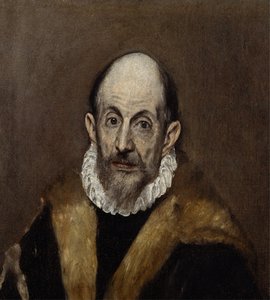
1541 - 1614 , 希腊
Explore the dramatic transition from High Renaissance harmony to Mannerist tension. Discover how masters like El Greco redefined art through distortion and spiritual intensity. An expert guide for art enthusiasts seeking deep historical context and museum-quality inspiration.

Explore the dramatic evolution of Mannerism from High Renaissance perfection to El Greco's spiritual intensity. Discover the history, techniques, and enduring legacy of this transformative era through an expert art-history lens.


第一时间获取最新的艺术新闻、独家优惠及装饰灵感。
向我们介绍您的项目需求,我们的艺术专家将为您提供 3 个个性化的艺术品推荐。
由我们的专家为您精选 3 款心仪之作 —— 完全免费!


 效果预览
效果预览
 购买印刷品
购买印刷品 分享
分享 分享
分享
 详情
详情

 下载
下载
 相似作品
相似作品 X射线
X射线 幻灯片播放
幻灯片播放 展开详情
展开详情









 玻璃选项仅适用于110厘米以下的尺寸。


