x





























从与原作比例一致的预设尺寸中进行选择。

您可以输入自定义尺寸,以适配特定的画框或空间。如果所选尺寸与原图比例不符,我们将通过裁剪作品或添加手绘元素来扩展画面。数字样稿将在制作开始前发送给您确认。
请注意,屏幕预览无法准确反映实际的裁剪或扩展效果,只有样稿才能真实呈现最终的构图。
虽然我们提供定制尺寸服务,但为了保留原作比例,建议您从预设列表中选择尺寸。

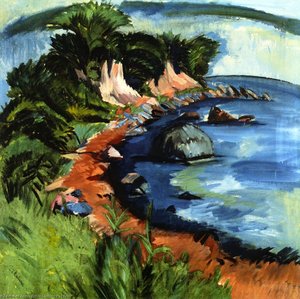
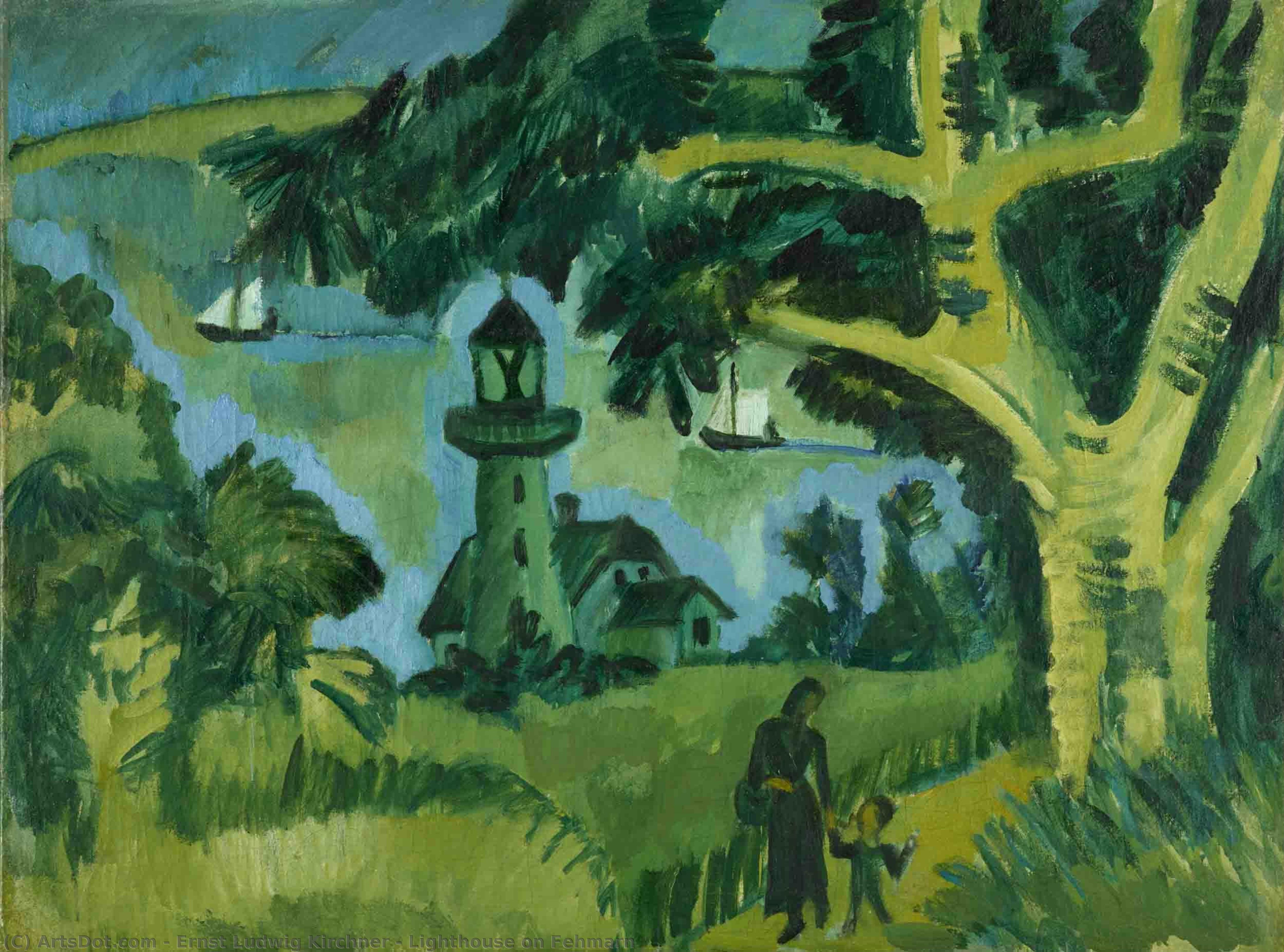
Lighthouse on Fehmarn
复制品尺寸
Ernst Ludwig Kirchner's "Lighthouse on Fehmarn," painted in 1912, isn’t merely a depiction of a coastal landmark; it’s a carefully constructed tableau of memory, melancholy, and the quiet yearning for stability amidst the turbulent currents of early 20th-century Germany. Kirchner, a pivotal figure within the Expressionist movement, wasn't interested in simply recording a scene; he sought to distill feeling, to translate the emotional landscape onto canvas with an intensity rarely seen before. This particular work offers a poignant glimpse into his personal journey – a retreat to the island of Fehmarn, a place that would soon become inextricably linked with both solace and the looming anxieties of a world on the brink.
The painting immediately draws the eye to the lighthouse itself, a robust sentinel rising from the rolling Baltic waters. Kirchner’s technique is deliberately rough-hewn, employing bold, visible brushstrokes that convey a sense of immediacy and unrest. The ochre and green hues of the landscape – the weathered cliffs, the dense foliage clinging to the shoreline – are applied with an almost frantic energy, suggesting both the beauty and the inherent wildness of the environment. The water, rendered in shimmering blues and greens, isn’t a serene reflection but rather a dynamic force, subtly hinting at the power beneath the surface. The arched horizon line, a key element of Kirchner's style, serves to compress the space, drawing the viewer into the scene and intensifying the feeling of being enveloped by the landscape.
Dominating the foreground is a woman, clad in dark clothing, her posture suggesting a contemplative walk. While her identity remains somewhat ambiguous – often interpreted as Kirchner’s companion, Erna Schilling – she embodies a crucial shift within the artist's life. Having recently departed from the vibrant, chaotic energy of Berlin, Kirchner sought refuge on Fehmarn, a deliberate move away from the city’s relentless pace and the emotional complexities he had experienced there. The woman’s presence isn’t one of active engagement; rather, she represents a quiet acceptance, a step towards a more subdued existence – a stark contrast to the passionate, often turbulent relationships depicted in his earlier Berlin works. Her hand outstretched, grasping that of a child, subtly evokes themes of protection and legacy, hinting at Kirchner's desire for stability and perhaps even a new beginning.
Kirchner’s use of color is profoundly symbolic. The dark clothing of the woman contrasts sharply with the brighter tones of the landscape, creating a visual tension that mirrors the emotional shift occurring within Kirchner himself. The small sailboats dotting the horizon represent fleeting moments of pleasure amidst an underlying sense of unease – a reminder of the world beyond Fehmarn, yet one he’s consciously choosing to distance himself from. The lighthouse, traditionally a symbol of guidance and safety, here takes on a slightly melancholic quality; it stands as a solitary beacon in a vast, uncertain expanse, reflecting Kirchner's own feelings of isolation and introspection. The painting is not simply about depicting a physical location but rather conveying the complex emotional state of an artist grappling with personal change.
Reproductions of “Lighthouse on Fehmarn” offer a remarkable opportunity to experience Kirchner’s evocative style firsthand. The meticulous detail captured in each brushstroke, the raw emotional intensity conveyed through color and composition – these elements are faithfully reproduced in high-quality prints, allowing art lovers and collectors alike to appreciate the depth and complexity of this iconic work. Beyond its aesthetic appeal, “Lighthouse on Fehmarn” serves as a powerful reminder of Kirchner’s artistic journey—a testament to his ability to transform personal experience into enduring works of art that continue to resonate with viewers today. It's a piece that invites contemplation, prompting us to consider the interplay between memory, emotion, and the search for meaning in a rapidly changing world.

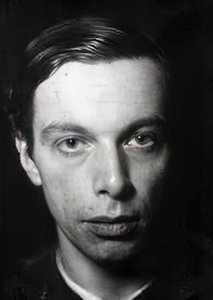
1880 - 1938 , 德国

Explore the profound history of Expressionism. From Edvard Munch to Jackson Pollock, discover how artists used distortion and color to convey raw emotion. A definitive guide for art lovers seeking deep historical context and mastery in fine art reproductions.


第一时间获取最新的艺术新闻、独家优惠及装饰灵感。
向我们介绍您的项目需求,我们的艺术专家将为您提供 3 个个性化的艺术品推荐。
由我们的专家为您精选 3 款心仪之作 —— 完全免费!


 效果预览
效果预览
 购买印刷品
购买印刷品 分享
分享 分享
分享
 详情
详情

 下载
下载
 相似作品
相似作品 X射线
X射线 幻灯片播放
幻灯片播放

 展开详情
展开详情









 玻璃选项仅适用于110厘米以下的尺寸。