


x
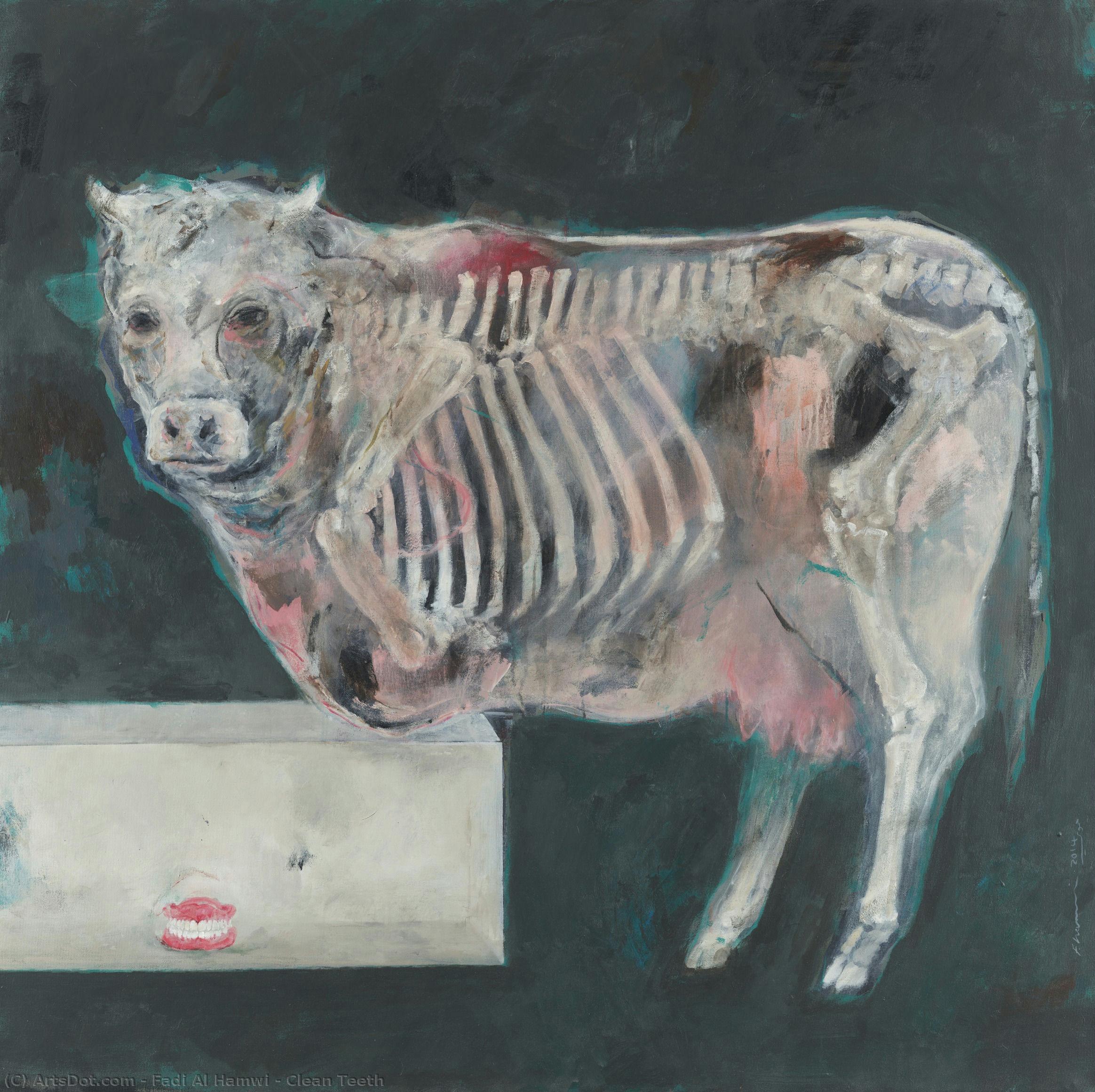
 150.0 x 150.0 cm
 Barjeel Art Foundation
购买高分辨率增强版数字图像,其品质远超在线预览。
每一份文件都由我们的内部专家使用先进工具与专业的后期润色技术精心打造。我们确保每一张图像都具备卓越的清晰度、精准的色彩还原度以及细腻的细节表现。
最终文件将在 72 小时内通过电子邮件交付,并针对专业、编辑及印刷用途进行了优化。其品质与顶级设计工作室、出版社和画廊所信赖的标准完全一致。
选择 Most-Famous-Paintings.com,您获得的不仅仅是一张图像——您收到的是经过专业级增强、精雕细琢的数字艺术作品,并享有满意保证。以下是您的订单中自动包含的所有内容:

您的高分辨率数字图像文件将在下单后 72 小时内通过电子邮件发送给您 —— 即可立即使用。

您的艺术品经过专业优化,结合先进的 AI 技术与人工修饰,确保呈现极致的细节、清晰度与色彩准确度。

不小心删除了文件或找不到了?没关系——我们将随时为您免费重发。

即刻拥有您的艺术作品,无需支付任何关税、税费或运费——数字下载始终免税。

我们通过专业工具与色彩管理技术,确保您的数字图像尽可能真实地还原原作色彩。

如果您对所购买的数字图像不满意,我们将在60天内为您进行修改或退还100%的款项——无需任何解释。

如果不满意?在收到数字文件后的60天内,我们为您提供全额退款——无需任何理由。

购买 3 张图片可享 10% 折扣 - 购买 5 张可享 15% 折扣 - 购买 10+ 张可享 20% 折扣。非常适合创意项目、画廊和机构使用。
Corita McCarthy (1918-1986) wasn’t a name that frequently graced the hallowed halls of traditional art history, yet her vibrant, deceptively simple works have steadily gained recognition as a uniquely American voice in mid-century modernism. Born Jeanne Agnes Corita Kent in Los Angeles, she initially pursued a career as a teacher, a role that profoundly shaped her artistic vision and ultimately became inextricably linked to her creative output. McCarthy’s art wasn't about grand pronouncements or complex narratives; it was an exuberant celebration of everyday life, a joyful exploration of color, pattern, and the inherent beauty found in the mundane.
McCarthy’s early life was marked by a progressive education philosophy instilled by her parents. They ran a school emphasizing hands-on learning and creative expression – a stark contrast to the prevailing educational models of the time. This environment fostered a deep appreciation for process, experimentation, and the inherent value of making. She attended Scripps College in Claremont, California, where she studied art, but it was during her years as a teacher at Gompers High School in Los Angeles that her artistic journey truly began. Observing her students’ creative impulses, their spontaneous drawings and collages, ignited within her a desire to capture this same spirit of playful invention.
Her initial forays into art were largely unschooled – she taught herself printmaking techniques using discarded materials like cardboard boxes, wallpaper scraps, and even old grocery bags. This resourceful approach became a hallmark of her style, reflecting a deliberate rejection of traditional artistic hierarchies and a commitment to utilizing readily available resources. McCarthy’s early works, often referred to as “box prints,” were characterized by their bold color combinations, layered patterns, and a sense of joyful chaos. These weren't meticulously planned compositions; they emerged from a process of intuitive experimentation, mirroring the spirit of her teaching philosophy.
Following her retirement from teaching in 1976, McCarthy dedicated herself fully to her art, establishing a studio in Edmundson, California. This period witnessed a significant shift in her work, moving beyond the purely utilitarian box prints and embracing larger-scale works incorporating silkscreen printing, collage, and found objects. She began to explore themes of community, connection, and the beauty of ordinary moments – subjects deeply rooted in her experiences as an educator.
Influences on McCarthy’s work were diverse and often unexpected. She drew inspiration from children's book illustrations, particularly those of Maurice Sendak, appreciating their ability to convey complex emotions through simple forms and vibrant colors. The works of Josef Albers, with his explorations of color theory and optical illusions, also resonated with her interest in visual perception. However, McCarthy’s style remained distinctly her own – a unique blend of playful experimentation, joyful exuberance, and a profound appreciation for the beauty of everyday life.
McCarthy's process was as central to her art as the finished product. She favored silkscreen printing, a technique that allowed her to create bold, graphic images with precise color control. However, she often layered this with collage elements – scraps of paper, fabric, and other found objects – adding texture and depth to her compositions. Her use of color was particularly striking; she employed a vibrant palette of saturated hues, often juxtaposing unexpected combinations that created a sense of visual excitement.
A key element of her technique involved creating multiple layers within the silkscreen process itself. She would print one image on top of another, building up complex patterns and textures through careful layering and manipulation. This meticulous approach resulted in works that were both visually dynamic and remarkably detailed – a testament to her dedication to craft.
Corita McCarthy’s work has had a lasting impact on contemporary art and design. Her playful, optimistic aesthetic resonated with a generation seeking alternatives to the prevailing seriousness of post-war art. She demonstrated that beauty could be found in unexpected places – in discarded materials, in everyday moments, and in the simple act of making.
Today, McCarthy’s work is exhibited widely in museums and galleries around the world. Her legacy extends beyond her artistic achievements; she remains a powerful advocate for creativity, education, and the transformative power of art. Her insistence on embracing process over product, experimentation over perfection, continues to inspire artists and educators alike – a vibrant reminder that joy and beauty can be found in the most unexpected corners of our lives.

1986 - , Syrian Arab Republic


第一时间获取最新的艺术新闻、独家优惠及装饰灵感。
向我们介绍您的项目需求,我们的艺术专家将为您提供 3 个个性化的艺术品推荐。
由我们的专家为您精选 3 款心仪之作 —— 完全免费!


 效果预览
效果预览
 购买印刷品
购买印刷品 分享
分享 分享
分享
 详情
详情

 下载
下载
 相似作品
相似作品 X射线
X射线 幻灯片播放
幻灯片播放 展开详情
展开详情


