x





























从与原作比例一致的预设尺寸中进行选择。

您可以输入自定义尺寸,以适配特定的画框或空间。如果您选择的尺寸与原图比例不符,我们将对作品进行裁剪,或通过镜像填充/纯色填充边缘的方式来扩展图像。在开始制作之前,我们会向您发送一份数字效果图供您确认。
请注意,屏幕上的预览并不能反映实际的裁剪或扩展效果。只有效果图才能准确展示最终的构图。
虽然我们提供定制尺寸,但为了保持原图比例,我们建议您从预设列表中选择尺寸。

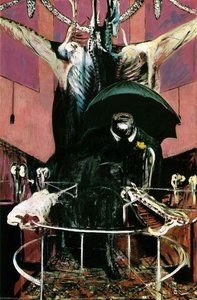
head vi, 1949
复制品尺寸
Francis Bacon's 'Head VI,' painted in 1949, isn’t merely a depiction of a man; it’s an unflinching confrontation with the abyss of human experience. This unsettling masterpiece encapsulates the anxieties and traumas that gripped Europe following World War II, reflecting a broader preoccupation with mortality and psychological disintegration – themes central to Bacon's entire oeuvre. The painting immediately grabs the viewer’s attention with its visceral immediacy, presenting a distorted visage of anguish rendered in Bacon’s signature style.
Style and Technique: Surreal Horror Embodied
Bacon’s technique is characterized by a deliberate rejection of traditional representation. He eschewed meticulous detail, opting instead for expressive brushstrokes that convey emotion rather than observation. The canvas is dominated by a sickly yellow hue, mirroring the psychological state of the subject – a man whose mouth hangs open in a silent scream, conveying terror and despair with devastating accuracy. Bacon employed a method he termed “squeeze technique,” applying paint thickly onto the canvas with his hands or palette knife, creating textured surfaces that pulsate with unsettling energy. This physicality is crucial to capturing the emotional core of the artwork; it’s as if the painting itself embodies the torment within. The figure's pose—hunched over, almost collapsing—further emphasizes vulnerability and reinforces the sense of impending doom.
Historical Context: Echoes of Trauma
The painting emerged from a period profoundly scarred by wartime devastation. Bacon was deeply affected by the horrors he witnessed during the war years, particularly the bombing raids on London. This experience fueled his artistic exploration of psychological distress and existential dread—concepts powerfully articulated in ‘Head VI.’ The influence of Surrealism is palpable, albeit subtly integrated into Bacon’s approach. Like artists of the movement, Bacon deliberately disrupts conventional visual logic, creating images that unsettle and provoke contemplation about the darker aspects of human consciousness. The scream itself harkens back to silent film melodrama, a genre known for its dramatic expressions of emotion—a deliberate allusion to the anxieties of the time.
Symbolism: The Scream as Universal Expression
The open mouth is arguably the painting’s most potent symbol – representing not just vocal utterance but also repressed emotion and primal terror. It speaks to the fundamental human condition, capturing the inescapable awareness of mortality and suffering. Bacon frequently utilized grotesque imagery to confront uncomfortable truths about humanity, and ‘Head VI’ exemplifies this commitment to psychological realism. The yellow background serves as a visual metaphor for decay and illness—reflecting both physical vulnerability and mental deterioration. Furthermore, it contributes to the overall atmosphere of unease and disorientation.
Emotional Impact: A Window into Inner Turmoil
‘Head VI’ remains profoundly disturbing precisely because it succeeds in conveying an experience that transcends mere visual representation. It compels viewers to confront their own anxieties about existence and to grapple with the inevitability of pain and loss. Bacon's aim wasn’t to depict beauty or harmony; he sought to expose the grotesque realities hidden beneath the surface of everyday life—a courageous undertaking that cemented his place as one of the most influential artists of the 20th century. Its enduring power lies in its ability to resonate with audiences across generations, reminding us of the inescapable darkness within ourselves and the profound vulnerability inherent in being human.

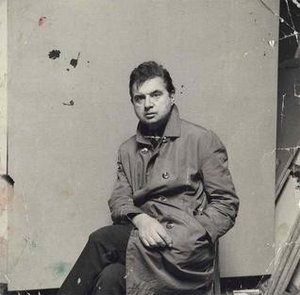
1909 - 1992 , 爱尔兰
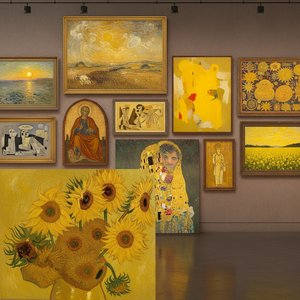
Immerse yourself in golden light! Explore 10 famous paintings dominated by 'Chrome Yellow', from Van Gogh’s Sunflowers to Monet's Haystacks. Discover the stories behind these iconic Impressionist & Post-Impressionist masterpieces and find museum-quality art reproductions at Most-Famous-Paintings.com.
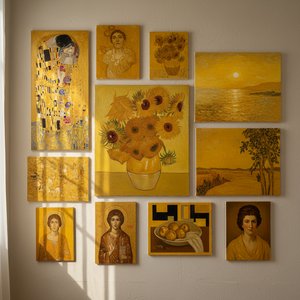
Explore 10 iconic paintings bathed in golden yellow ochre! From Van Gogh's sunflowers to Monet’s haystacks, discover the stories behind these masterpieces. Find museum-quality art reproductions & elevate your home decor on .

Explore the rich symbolism & emotional power of yellow in art history! From Van Gogh to Kandinsky, discover how artists used this vibrant hue. Expert analysis & high-quality reproductions at Most-Famous-Paintings.

探索弗朗西斯·培根25幅震撼人心的杰作,深入了解这位现代艺术大师的创作故事与情感世界。从《三幅习作》到肖像画,感受抽象表现主义的魅力。Most-Famous-Paintings.com提供高品质艺术品复制,为您的家居空间增添艺术气息!立即探索完整系列。
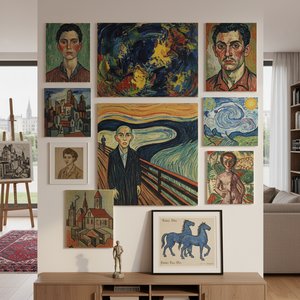
探索表现主义的灵魂!本文精选十幅名作,从莫迪里亚尼到夏加尔,揭秘大师背后的故事与艺术魅力。感受色彩的力量,重塑您的家居空间。Most-Famous-Paintings.com 提供博物馆品质的艺术复制品和个性化装饰方案。立即在线探索全系列!


第一时间获取最新的艺术新闻、独家优惠及装饰灵感。
向我们介绍您的项目需求,我们的艺术专家将为您提供 3 个个性化的艺术品推荐。
由我们的专家为您精选 3 款心仪之作 —— 完全免费!


 效果预览
效果预览
 购买手绘画作
 分享
分享 分享
分享
 详情
详情

 下载
下载
 相似作品
相似作品 X射线
X射线 幻灯片播放
幻灯片播放

 展开详情
展开详情









 玻璃选项仅适用于110厘米以下的尺寸。