x





























从与原作比例一致的预设尺寸中进行选择。

您可以输入自定义尺寸,以适配特定的画框或空间。如果您选择的尺寸与原图比例不符,我们将对作品进行裁剪,或通过镜像填充/纯色填充边缘的方式来扩展图像。在开始制作之前,我们会向您发送一份数字效果图供您确认。
请注意,屏幕上的预览并不能反映实际的裁剪或扩展效果。只有效果图才能准确展示最终的构图。
虽然我们提供定制尺寸,但为了保持原图比例,我们建议您从预设列表中选择尺寸。

Study for Portrait I
复制品尺寸
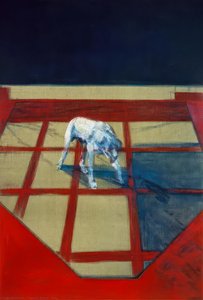
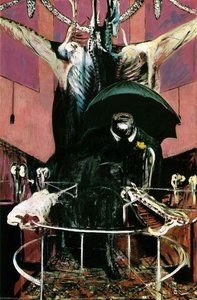
Francis Bacon's "Study for Portrait I," painted in 1952, isn’t merely a portrait; it’s a visceral excavation of the human psyche. This arresting black and white image, part of a series exploring the complexities of identity and isolation, immediately confronts the viewer with an unsettling intimacy. The subject, seated in bed, is rendered not as a serene figure but as a being writhing under the weight of internal turmoil. Bacon’s signature style—a potent blend of expressionism and distortion—is on full display here, transforming a simple depiction into a profound meditation on vulnerability and the precariousness of existence.
The painting's genesis lies within Bacon’s deeply personal history. Born in Dublin amidst instability and familial discord, his early life instilled a sense of displacement that would permeate his art. This feeling is powerfully conveyed through the figure’s contorted features – a mouth stretched into an almost silent scream, eyes wide with a disconcerting mixture of fear and resignation. The purple robe or dressing gown, draped loosely over the body, suggests both vulnerability and confinement, hinting at a life lived within the confines of his own mind.
Bacon’s technique is deliberately unsettling. He eschewed traditional portraiture conventions, opting instead for a method he termed “attack painting.” This involved applying paint directly to the canvas with broad, gestural strokes, often using sand and oil pastels alongside the paint itself. The result isn't a smooth, polished surface; it’s a textured landscape of anxiety – ridges and valleys mirroring the emotional topography of the subject. The stark contrast between light and shadow further amplifies this effect, creating an atmosphere of claustrophobia and unease. Notice how the figure is almost dissolving into the background, blurring the boundaries between self and environment, a common motif in Bacon’s work.
“Study for Portrait I” emerged during a period of profound social and political upheaval following World War II. Bacon’s work reflects the anxieties and uncertainties of this era, capturing a sense of disillusionment and existential dread. Interestingly, Bacon frequently revisited themes of portraiture, often using them as a vehicle to explore darker aspects of human nature. The influence of artists like John Singer Sargent is evident, particularly in the initial composition – a subtle nod to Sargent’s “Portrait of Madame X,” which itself was a scandalous depiction of female beauty and sexuality. However, Bacon subverts this tradition entirely, transforming the idealized image into a harrowing portrayal of psychological vulnerability.
The painting's connection to Van Gogh is also significant; Bacon frequently drew inspiration from the tormented artist’s work, using his expressive brushstrokes and emotional intensity as a model for his own style. “Study for Portrait of Van Gogh III” demonstrates this influence directly, showcasing a similar exploration of melancholy and introspection.
Ultimately, "Study for Portrait I" is more than just a painting; it’s an invitation to confront uncomfortable truths about the human condition. The figure's silent anguish resonates with viewers on a deeply emotional level, prompting questions about identity, isolation, and the fragility of the self. It’s a testament to Bacon’s ability to translate complex psychological states into visual form—a powerful reminder that art can be both unsettling and profoundly moving. A reproduction of this work offers a unique opportunity to bring this intense portrait into your space, inviting contemplation and sparking dialogue about the enduring mysteries of human experience.

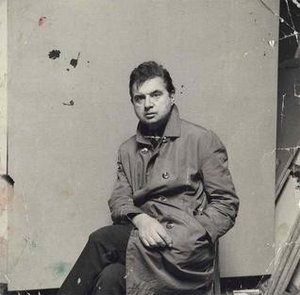
1909 - 1992 , 爱尔兰

Explore the profound emotional depth of Expressionist portraiture. From Edvard Munch to Francis Bacon, discover how masters used distortion and color to reveal inner truths. Learn about this pivotal movement and find museum-quality oil reproductions for your collection.

Explore the profound history and technical brilliance of oil on panel painting. From Renaissance masters to modern techniques, discover why this rigid support offers unparalleled precision and permanence for fine art lovers and collectors.

Explore the profound history of Expressionism. From Edvard Munch to Jackson Pollock, discover how artists used distortion and color to convey raw emotion. A definitive guide for art lovers seeking deep historical context and mastery in fine art reproductions.
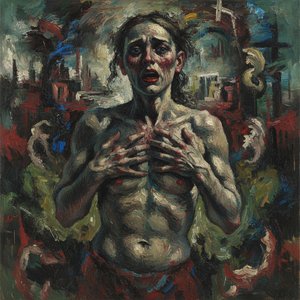
Explore the profound depth of Figurative Expressionism. From Edvard Munch to William H. Johnson, learn how masters use the human form to capture raw emotion through color and distortion in this expert art history guide.


第一时间获取最新的艺术新闻、独家优惠及装饰灵感。
向我们介绍您的项目需求,我们的艺术专家将为您提供 3 个个性化的艺术品推荐。
由我们的专家为您精选 3 款心仪之作 —— 完全免费!


 效果预览
效果预览
 购买手绘画作
 分享
分享 分享
分享
 详情
详情

 下载
下载
 相似作品
相似作品 X射线
X射线 幻灯片播放
幻灯片播放
 展开详情
展开详情









 玻璃选项仅适用于110厘米以下的尺寸。