


x





























从与原作比例一致的预设尺寸中进行选择。

您可以输入自定义尺寸,以适配特定的画框或空间。如果您选择的尺寸与原图比例不符,我们将对作品进行裁剪,或通过镜像填充/纯色填充边缘的方式来扩展图像。在开始制作之前,我们会向您发送一份数字效果图供您确认。
请注意,屏幕上的预览并不能反映实际的裁剪或扩展效果。只有效果图才能准确展示最终的构图。
虽然我们提供定制尺寸,但为了保持原图比例,我们建议您从预设列表中选择尺寸。

Three Figures and Portrait
复制品尺寸
Francis Bacon's "Three Figures and Portrait," painted in 1975, is not merely a depiction of three individuals; it’s an excavation of the human psyche – a raw, unsettling exploration of vulnerability, isolation, and the inescapable anxieties of existence. This work, rendered in oil paint and pastel on canvas, embodies the core tenets of Bacon's mature style: distorted forms, fragmented figures, and a deliberate avoidance of comforting realism. The painting immediately confronts the viewer with its claustrophobic space, dominated by a sense of unease and impending dread. It’s a world where bodies are stretched and contorted, faces dissolve into masks of anguish, and the boundaries between life and death become increasingly blurred.
The composition itself is deliberately ambiguous. Three figures occupy the central plane, their postures suggesting both confrontation and concealment. The placement of the smaller figures – one lurking in the left foreground, another receding into the darkness on the far left – creates a sense of spatial disorientation, mirroring the psychological turmoil at play. A chair positioned to the right anchors the scene, while a dining table behind it hints at domesticity disrupted, perhaps even abandoned. Above them hangs a portrait, an element that subtly complicates the narrative, suggesting a reflection or a distorted memory of self.
Bacon's technique is central to understanding the painting’s profound impact. He employed a layered approach, building up thick impasto – literally piling paint onto the canvas – creating surfaces that are both tactile and intensely expressive. The colors are predominantly dark – bruised purples, sickly greens, and murky browns – punctuated by flashes of unsettling red. These hues aren't used to represent reality but rather to convey emotional states: fear, pain, and a sense of impending doom. Bacon’s brushstrokes are frenzied and agitated, mirroring the inner turmoil he sought to capture. The figures themselves appear almost skeletal, their forms dissolving into grotesque shapes – a deliberate strategy to strip away any semblance of idealized beauty and expose the raw, vulnerable core of human existence.
The use of pastel alongside oil paint adds another layer of complexity. Pastel’s softer texture contrasts sharply with the impastoed oil, creating a dynamic tension within the composition. This juxtaposition further emphasizes the painting's unsettling quality, suggesting a struggle between order and chaos, control and surrender.
Bacon’s work in the 1970s reflects the anxieties of a post-war world grappling with existential questions. Having experienced significant personal upheaval throughout his life – including the loss of loved ones and periods of intense emotional distress – Bacon channeled these experiences into his art, creating images that resonated with the collective unease of the time. His subject matter often drew from classical mythology and religious iconography, but he radically distorted these references, transforming them into symbols of modern alienation and psychological fragmentation. Influenced by artists like Picasso and Giacometti, Bacon pushed the boundaries of figurative painting, rejecting traditional notions of beauty and representation in favor of a brutally honest portrayal of human suffering.
"Three Figures and Portrait" is rich with symbolic potential. The figures themselves can be interpreted as representations of individuals trapped within their own minds, struggling to connect with others or find meaning in a chaotic world. The portrait hanging above them might symbolize the elusive nature of identity – a fragmented reflection of the self that resists complete understanding. The overall atmosphere of the painting is one of profound loneliness and isolation, reflecting Bacon’s lifelong preoccupation with themes of mortality and the fragility of human existence. It's a work that demands engagement, inviting viewers to confront their own anxieties and contemplate the darker aspects of the human condition. A reproduction offers a powerful way to experience this intensely emotional artwork in your own space.

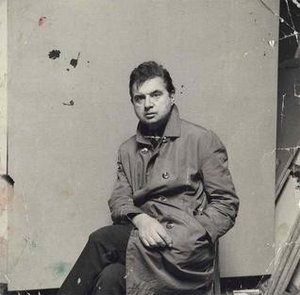
1909 - 1992 , 爱尔兰

Explore the profound history and technical brilliance of oil on panel painting. From Renaissance masters to modern techniques, discover why this rigid support offers unparalleled precision and permanence for fine art lovers and collectors.


第一时间获取最新的艺术新闻、独家优惠及装饰灵感。
向我们介绍您的项目需求,我们的艺术专家将为您提供 3 个个性化的艺术品推荐。
由我们的专家为您精选 3 款心仪之作 —— 完全免费!


 效果预览
效果预览
 购买手绘画作
 分享
分享 分享
分享
 详情
详情

 下载
下载
 相似作品
相似作品 X射线
X射线 幻灯片播放
幻灯片播放

 展开详情
展开详情









 玻璃选项仅适用于110厘米以下的尺寸。


