


x
 Oil On CanvasWallArtBritish Landscape Painting
 96.0 x 146.0 cm
 The Hepworth Wakefield




























从与原作比例一致的预设尺寸中进行选择。

您可以输入自定义尺寸,以适配特定的画框或空间。如果您选择的尺寸与原图比例不符,我们将对作品进行裁剪,或通过镜像填充/纯色填充边缘的方式来扩展图像。在开始制作之前,我们会向您发送一份数字效果图供您确认。
请注意,屏幕上的预览并不能反映实际的裁剪或扩展效果。只有效果图才能准确展示最终的构图。
虽然我们提供定制尺寸,但为了保持原图比例,我们建议您从预设列表中选择尺寸。

Landscape
复制品尺寸
Frederick Waters Watts' "Landscape," a captivating oil painting from around 1860, isn’t merely a depiction of a rural scene; it’s an invitation into a meticulously rendered world brimming with quiet observation and a profound connection to the English countryside. The piece immediately draws the viewer in with its harmonious palette – a symphony of greens, blues, and browns that evoke the serenity of a late summer afternoon. It's a landscape steeped in Constablean influence, prioritizing atmospheric perspective and a subtle, almost melancholic beauty over dramatic grandeur.
The composition itself is deceptively simple yet remarkably effective. A meandering river dominates the midground, its waters reflecting the sky above with an ethereal quality. A dirt path, barely discernible, leads the eye into the distance, hinting at journeys and possibilities. Scattered amongst the trees are a few figures – likely farmers or laborers – engaged in quiet activities, their presence adding a touch of human scale to the vastness of the scene without disrupting the overall sense of tranquility. The rolling hills in the background, painted with delicate brushstrokes, fade into a hazy blue, creating an illusion of depth and distance that is characteristic of Watts’ style.
Watts was deeply influenced by John Constable, and this influence is readily apparent in "Landscape." He masterfully employed *plein air* painting techniques – working directly from nature – to capture the fleeting effects of light and atmosphere. Notice the subtle variations in color across the foliage, the way shadows fall on the ground, and the delicate rendering of water surfaces. The brushwork is loose yet controlled, creating a sense of movement and texture that brings the landscape to life. The artist’s attention to detail is remarkable; individual leaves are suggested rather than meticulously rendered, allowing the eye to fill in the gaps and contributing to the painting's overall impressionistic quality.
Furthermore, Watts skillfully utilized atmospheric perspective – *sfumato* – to create a sense of depth. Objects further away appear paler and less distinct, while those closer are richer in color and detail. This technique is particularly evident in the distant hills, which seem to dissolve into the hazy blue sky. The use of muted tones and subtle gradations of color contributes significantly to the painting’s overall mood of quiet contemplation.
"Landscape" reflects the artistic sensibilities of the mid-19th century – a period when landscape painting was experiencing a resurgence in popularity. Following the Romantic movement, artists began to turn their attention to the beauty and sublimity of nature, seeking solace and inspiration in the countryside. Watts’ work aligns with this trend, capturing the idealized vision of rural England that was so prevalent during the Victorian era.
The painting also speaks to a broader cultural shift – a growing appreciation for the natural world and a desire to escape the pressures of urban life. The Victorian period witnessed significant industrialization and urbanization, leading many people to seek refuge in the countryside. Landscape art provided a means of reconnecting with nature and celebrating its enduring beauty. Watts’ painting embodies this sentiment, offering a glimpse into a simpler, more harmonious way of life.
Beyond its technical merits, “Landscape” is imbued with subtle symbolism. The meandering river can be interpreted as a metaphor for the passage of time, while the figures in the foreground represent humanity’s connection to the land. The overall mood of the painting – serene, contemplative, and slightly melancholic – reflects the Victorian fascination with mortality and the fleeting nature of beauty. It's not simply a pretty picture; it invites reflection on our relationship with the natural world and our place within it.
The painting’s enduring appeal lies in its ability to evoke a sense of nostalgia for a bygone era – a time when life moved at a slower pace and people were more attuned to the rhythms of nature. “Landscape” is a testament to Watts' skill as an artist and his profound understanding of the English countryside, offering viewers a moment of respite from the complexities of modern life.

在维多利亚时代艺术史的篇章中,很少有名字能像弗雷德里克·沃特斯·瓦茨那样,如此深刻地唤起英国乡村那静谧而富有生命力的本质。1800年,瓦茨出生于历史名城巴斯,他作为一名画家脱颖而出,其作品在19世纪初粗犷的自然主义与维多利亚时代后期精致的美学主义之间,搭建起了一座深邃的桥梁。尽管他的个人史仍笼罩在时间的轻雾之中——关于其家世背景与确切逝世日期的细节常为历史学家所争论——但他在艺术领域的存在感却是不容置疑的。他不仅仅是一位描绘风景的艺术家,更是一位捕捉乡村灵魂的画师,赋予了每一处河畔转弯与阳光沐浴下的草甸一种永恒的宁静感。
瓦茨伟大的基石在于他与约翰·康斯特布尔作品之间那种深沉、近乎精神性的联结。1817年,瓦茨进入伦敦皇家艺术学院学习,力求掌握定义了“康斯特布尔传统”的光影与大气之微妙复杂性。他在1819年至1821年间荣获银奖,这些早期的成就预示着一位具备深刻观察力的天才已经降临。他积极践行外光写生(en plein air)的创作方式,直接面对自然进行创作,将流云掠过的瞬息万变或溪流中闪烁的倒影,转化为画布上永恒的油彩。这种对直接观察的执着,使他超越了单纯的模仿,发展出一种既与大地紧密相连,又因诗意感性而显得高雅脱俗的艺术风格。
瓦茨的作品集包含约380幅油画,宛如一座展示英国最理想化时刻的宏大画廊。他的技术造诣在操控光影以创造深度与情感共鸣的能力中体现得最为淋漓尽致。无论是描绘梅德韦河那宁静的水面,还是坎伯兰郡那粗犷的美感,瓦茨都运用了一套赞美自然界有机色调的调色板。他的构图往往包含以下特质:
除了纯粹的自然主义,他的作品中还潜藏着一种象征主义的暗流,暗示着更深层的、沉思性的精神世界。一些学者从唯美主义的角度来审视他后期的探索,指出他的风景画可以超越单纯的地貌描绘,升华为关于和平、希望以及生命循环律的寓言式冥想。这种双重性——既能成为自然的精确观察者,又能成为诗意真理的梦想家——正是使他的作品区别于同时代艺术家的独特之处。
在漫长的职业生涯中,瓦茨直至19世纪60年代仍持续在皇家艺术学院和英国艺术协会展出作品,他在伦敦艺术界始终保持着稳定的影响力。他能够游刃有余地应对维多利亚时代不断变化的审美趣味——从世纪初沉重的浪漫主义到后期更为细腻、充满象征意义的手法——这确保了他艺术生命力的持久。尽管他生活在一个快速工业化的时代,那个时代正威胁着他所热爱的风景本身,但他的画作却成为了一个避难所,守护着那份失落的、前工业时代的英国记忆。
时至今日,弗雷德里克·沃特斯·瓦茨的艺术遗产依然在泰特美术馆等著名机构的馆藏中焕发光彩,他的作品持续激发着人们的敬畏之心。对于任何想要理解英国风景画演变历程的人来说,他都是一位至关重要的研究对象。他毕生的创作是对观察力量与自然永恒之美的有力见证,提醒着我们:即便是在河流上最转瞬即逝的一抹光影中,也蕴含着一种深邃而永恒的尊严。

1800 - 1870 , 英国

Explore the captivating world of Frederick Watts, a key Victorian painter blending aestheticism & spiritual symbolism. Discover his allegorical masterpieces like 'Hope' and delve into his artistic journey with Most-Famous-Paintings.
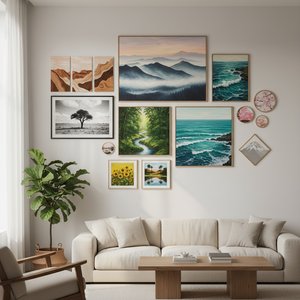
Journey through 10 breathtaking landscape paintings by Monet, Van Gogh & more! Explore iconic artworks, artistic techniques & find inspiration for your home decor. Museum-quality reproductions at Most-Famous-Paintings.com. Discover all masterpieces on Most-Famous-Paintings.com

探索浪漫主义风景画的巅峰!本文精选十部经典名作,带您领略莫奈、库尔贝等大师的艺术魅力。感受色彩与光影的诗意,重温自然风光的震撼。Most-Famous-Paintings.com为您提供博物馆级别的艺术复制品和个性化家居装饰方案。尽在Most-Famous-Paintings.com!
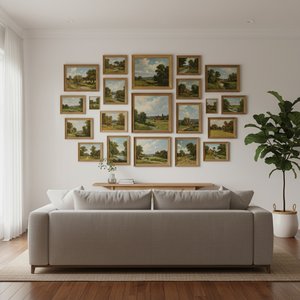
探索康斯塔布尔的25幅传世杰作!沉浸于英国田园风光,感受浪漫主义绘画大师的光影与色彩。高清油画复制、艺术品购买尽在Most-Famous-Paintings.com,为您的家居增添经典之美。立即在线探索完整系列!

Explore the rich history of trees in painting! Discover symbolism, Romantic masterpieces by Caspar David Friedrich & beyond. A curated journey for art enthusiasts.


第一时间获取最新的艺术新闻、独家优惠及装饰灵感。
向我们介绍您的项目需求,我们的艺术专家将为您提供 3 个个性化的艺术品推荐。
由我们的专家为您精选 3 款心仪之作 —— 完全免费!


 效果预览
效果预览
 购买手绘画作
 分享
分享 分享
分享
 详情
详情

 下载
下载
 相似作品
相似作品 X射线
X射线 幻灯片播放
幻灯片播放 展开详情
展开详情









 玻璃选项仅适用于110厘米以下的尺寸。


