


x
 Oil On CanvasWallArtAnalytical Cubism
 1909Modern
 34.0 x 38.0 cm




























从与原作比例一致的预设尺寸中进行选择。

您可以输入自定义尺寸,以适配特定的画框或空间。如果您选择的尺寸与原图比例不符,我们将对作品进行裁剪,或通过镜像填充/纯色填充边缘的方式来扩展图像。在开始制作之前,我们会向您发送一份数字效果图供您确认。
请注意,屏幕上的预览并不能反映实际的裁剪或扩展效果。只有效果图才能准确展示最终的构图。
虽然我们提供定制尺寸,但为了保持原图比例,我们建议您从预设列表中选择尺寸。

Glass on a Table
复制品尺寸
To gaze upon Georges Braque’s 1909 masterpiece, Glass on a Table, is to witness the very moment the foundations of Western representation began to splinter. This is not merely a depiction of an everyday object; it is a profound intellectual inquiry captured in oil on canvas. At its core, the painting presents a scene of shattered glass resting upon a surface, yet the fragmentation serves a much higher purpose than mere destruction. Through this work, Braque invites us into the dawn of Analytical Cubism, a revolutionary period where the artist sought to dismantle the singular viewpoint that had dominated art since the Renaissance. Instead of offering a window into a stable reality, Braque presents a visual puzzle, where light and form are deconstructed into interlocking planes, challenging the viewer to reconstruct the scene within their own mind.
The composition is a masterclass in the tension between chaos and order. While the subject matter—broken shards of glass scattered across a table—suggests a sense of disarray, there is an underlying structural rigor that speaks to Braque’s technical brilliance. The artist utilizes simultaneous perspectives, a hallmark of his collaboration with Pablo Picasso, to present multiple facets of the glass and the surrounding space at once. This technique creates a rhythmic movement across the 34 x 38 cm canvas, as the eye travels from one translucent edge to another, navigating a landscape of geometric intersections. The presence of a subtle, unexpected element—a bird perched amidst the shards—adds a layer of poetic mystery, grounding the abstract fragmentation with a touch of organic life that softens the analytical coldness of the geometry.
The emotional resonance of Glass on a Table is deeply tied to Braque’s meticulous approach to texture and tone. Eschewing the vibrant, almost aggressive palettes of his earlier Fauvist influences, Braque turned toward a more restrained, cerebral aesthetic. He employed a sophisticated layering technique known as grisaille, applying thin, delicate washes of grey pigment to establish a foundational architecture of light and shadow. This method allowed him to build complex contours that mimic the tactile quality of the glass itself. One can almost feel the sharp edges of the shards and the smooth, cold surface of the table through the subtle interplay of light reflecting off the painted planes.
For the discerning collector or interior designer, this painting offers a sophisticated balance of intellectual depth and aesthetic harmony. The muted tones and monochromatic elegance make it an incredibly versatile piece for modern environments, providing a focal point that commands attention without overwhelming a room's color palette. It serves as a conversation starter, embodying the transition from the observable world to the conceptual one. Owning a high-quality reproduction of this work means bringing into one's space not just a beautiful object, but a piece of art history—a tangible fragment of the revolution that redefined how humanity perceives reality.
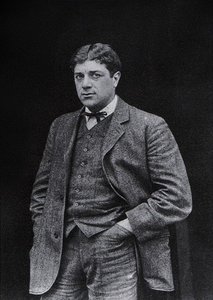
1882 - 1963 , 法国

Explore the revolutionary world of Cubism. Discover how masters Pablo Picasso and Georges Braque dismantled reality through geometric abstraction to redefine modern art history.


第一时间获取最新的艺术新闻、独家优惠及装饰灵感。
向我们介绍您的项目需求,我们的艺术专家将为您提供 3 个个性化的艺术品推荐。
由我们的专家为您精选 3 款心仪之作 —— 完全免费!


 效果预览
效果预览
 购买手绘画作
 分享
分享 分享
分享
 详情
详情

 下载
下载
 相似作品
相似作品 X射线
X射线 幻灯片播放
幻灯片播放 展开详情
展开详情









 玻璃选项仅适用于110厘米以下的尺寸。


