


x
 Acrylic On CanvasWallArtProto-Cubist Landscape
 1906
1906 46.0 x 55.0 cm
从与原作比例一致的预设尺寸中进行选择。

您可以输入自定义尺寸,以适配特定的画框或空间。如果您选择的尺寸与原图比例不符,我们将对作品进行裁剪,或通过镜像填充/纯色填充边缘的方式来扩展图像。在开始制作之前,我们会向您发送一份数字效果图供您确认。
请注意,屏幕上的预览并不能反映实际的裁剪或扩展效果。只有效果图才能准确展示最终的构图。
虽然我们提供定制尺寸,但为了保持原图比例,我们建议您从预设列表中选择尺寸。

L'Estaque
复制品尺寸
Georges Braque’s “Landscape at L’Estaque,” painted in 1906, stands as an undeniable cornerstone of Fauvist art and a crucial precursor to the revolutionary Cubism movement spearheaded by Pablo Picasso and Henri Matisse. Situated on the Provençal hillside overlooking Marseille harbor, the painting captures not merely a visual representation of the landscape but embodies a profound shift in artistic perception—a deliberate dismantling of traditional perspective and a bold embrace of geometric abstraction.
Unlike Impressionist predecessors who sought to capture fleeting moments of light and color, Braque confronted the canvas with an uncompromising determination to depict reality as it truly appeared. The landscape is fragmented into interlocking planes of color—dominant hues of ochre, crimson, and violet—that collide and overlap without adhering to conventional spatial conventions. This fractured composition isn’t merely stylistic; it reflects a burgeoning intellectual preoccupation with dissecting visual experience and reconstructing it according to new principles.
Braque employed a technique characterized by thick, impasto brushstrokes—a deliberate layering of pigment that creates palpable textural surfaces. These bold strokes are juxtaposed against simplified geometric forms—rectangles, triangles, and circles—that dominate the visual field. This masterful manipulation of color and form distinguishes “Landscape at L’Estaque” from earlier artistic endeavors and establishes it as a pivotal moment in the development of modern art.
"Landscape at L'Estaque" emerged during a period of intense artistic experimentation, fueled by debates surrounding representation and influenced by developments in mathematics and philosophy. It anticipates the groundbreaking innovations of Cubism—a movement that would irrevocably alter the course of art history by challenging notions of depth and dimensionality. Picasso himself acknowledged Braque’s influence on his own artistic explorations, recognizing “Landscape at L’Estaque” as a formative experience.
Beyond its formal innovations, “Landscape at L’Estaque” resonates with symbolic significance—a reflection of the artist's engagement with themes of perception and transformation. The vibrant colors evoke sensations of warmth and energy, conveying an emotional intensity that transcends mere visual description. Ultimately, the painting invites viewers to contemplate not only what they see but also how they perceive the world around them—a timeless message that continues to captivate audiences today.
Born in Argenteuil, France, in 1882, Georges Braque’s artistic journey began amidst a family steeped in decorative arts and craftsmanship. His early exposure to the techniques of his father—a house painter—provided him with invaluable practical skills alongside an innate appreciation for visual harmony. Following formative studies at the École des Beaux-Arts in Le Havre, Braque honed his artistic vision through collaborations with fellow avant-garde artists like Picasso and Matisse.
“Landscape at L’Estaque” remains a testament to Braque's pioneering spirit—a seminal work that cemented his position as one of the most influential painters of the 20th century. Its enduring appeal lies in its ability to provoke contemplation and inspire creativity, serving as an exemplar of Fauvist style and a harbinger of Cubist revolution.
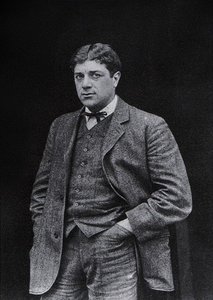
1882 - 1963 , 法国

Explore the revolutionary world of Cubism. Discover how masters Pablo Picasso and Georges Braque dismantled reality through geometric abstraction to redefine modern art history.


第一时间获取最新的艺术新闻、独家优惠及装饰灵感。
向我们介绍您的项目需求,我们的艺术专家将为您提供 3 个个性化的艺术品推荐。
由我们的专家为您精选 3 款心仪之作 —— 完全免费!


 效果预览
效果预览
 购买手绘画作
 分享
分享 分享
分享
 详情
详情

 下载
下载
 相似作品
相似作品 X射线
X射线 幻灯片播放
幻灯片播放 展开详情
展开详情






































 玻璃选项仅适用于110厘米以下的尺寸。


