


x
 Acrylic On CanvasWallArtAnalytical Cubism
 1912
1912 73.0 x 60.0 cm




























从与原作比例一致的预设尺寸中进行选择。

您可以输入自定义尺寸,以适配特定的画框或空间。如果您选择的尺寸与原图比例不符,我们将对作品进行裁剪,或通过镜像填充/纯色填充边缘的方式来扩展图像。在开始制作之前,我们会向您发送一份数字效果图供您确认。
请注意,屏幕上的预览并不能反映实际的裁剪或扩展效果。只有效果图才能准确展示最终的构图。
虽然我们提供定制尺寸,但为了保持原图比例,我们建议您从预设列表中选择尺寸。

Pedestal Table: ''Stal''
复制品尺寸
Georges Braque's "Pedestal Table: ‘Stal’," painted in 1912, is not merely a depiction of an object; it’s a carefully constructed puzzle of perception, a window into the nascent world of Analytical Cubism. This small yet potent work, measuring just 73 x 60 cm, embodies Braque's radical experimentation with form and space – a direct response to the shifting realities of early 20th-century Europe. The painting immediately draws the eye with its deliberate collage style, layering fragments of wood, metal, and what appears to be painted text: “Stal.” This seemingly simple inscription acts as a key, unlocking layers of meaning within the artwork’s fractured composition.
Created during a pivotal period in art history, "Pedestal Table: ‘Stal’" firmly establishes Braque as a central figure alongside Pablo Picasso in the development of Analytical Cubism. Following his early association with Fauvism, where vibrant color and expressive brushwork were paramount, Braque began to dismantle traditional representation. He moved away from single viewpoints, instead presenting multiple perspectives of an object simultaneously. This is brilliantly achieved here through the careful arrangement of geometric shapes – sharp angles, overlapping planes, and fragmented lines – that comprise the table itself. The artist doesn’t aim for a realistic portrayal; rather, he seeks to reveal the underlying structure of the subject, exposing its essential components as they exist within the viewer's mind.
The painting’s technique is crucial to understanding its impact. Braque masterfully employed a collage approach, combining painted elements with what appears to be actual wood and metal fragments embedded within the surface. This layering creates a tactile quality, inviting the viewer to engage with the artwork on multiple levels. The use of muted earth tones – browns, grays, and ochres – contributes to the painting’s somber mood, reflecting the anxieties and uncertainties of the time. The deliberate roughness of the materials contrasts sharply with the precision of the geometric forms, highlighting the tension between observation and interpretation. It's a testament to Braque’s technical skill that he manages to create such a complex and visually arresting image using relatively simple tools.
The enigmatic word "Stal" is perhaps the most compelling element of this work. Its meaning remains deliberately obscure, adding to the painting’s sense of mystery and prompting viewers to contemplate its significance. Some scholars suggest it might be a reference to “stalactites,” evoking images of caves and subterranean spaces – a metaphor for the hidden depths of consciousness or the fragmentation of experience. Considering Braque's exploration of spatial relationships during this period, "Stal" could also represent a disruption of established order, a challenge to conventional notions of stability and permanence. The word’s placement within the fragmented composition further emphasizes its importance as a focal point, demanding attention and inviting interpretation.
“Pedestal Table: ‘Stal’” is more than just a still life; it's a profound meditation on perception, representation, and the nature of reality. A reproduction captures the essence of Braque’s groundbreaking approach to art, offering a tangible connection to this pivotal moment in modern artistic history. Its evocative power continues to resonate with collectors and interior designers seeking pieces that spark conversation and embody the spirit of innovation.
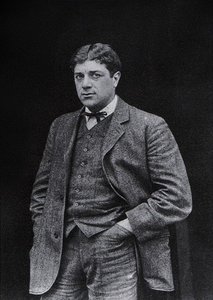
1882 - 1963 , 法国

Explore the revolutionary world of Cubism. Discover how Pablo Picasso and Georges Braque dismantled perspective to redefine modern art through geometric innovation and analytical mastery. An essential guide for art students, collectors, and history enthusiasts.

Explore the revolutionary world of Cubism. Discover how masters Pablo Picasso and Georges Braque dismantled reality through geometric abstraction to redefine modern art history.


第一时间获取最新的艺术新闻、独家优惠及装饰灵感。
向我们介绍您的项目需求,我们的艺术专家将为您提供 3 个个性化的艺术品推荐。
由我们的专家为您精选 3 款心仪之作 —— 完全免费!


 效果预览
效果预览
 购买手绘画作
 分享
分享 分享
分享
 详情
详情

 下载
下载
 相似作品
相似作品 X射线
X射线 幻灯片播放
幻灯片播放 展开详情
展开详情









 玻璃选项仅适用于110厘米以下的尺寸。


