


x





























从与原作比例一致的预设尺寸中进行选择。

您可以输入自定义尺寸,以适配特定的画框或空间。如果您选择的尺寸与原图比例不符,我们将对作品进行裁剪,或通过镜像填充/纯色填充边缘的方式来扩展图像。在开始制作之前,我们会向您发送一份数字效果图供您确认。
请注意,屏幕上的预览并不能反映实际的裁剪或扩展效果。只有效果图才能准确展示最终的构图。
虽然我们提供定制尺寸,但为了保持原图比例,我们建议您从预设列表中选择尺寸。

The Persian
复制品尺寸
Georges Braque's “The Persian” is more than just a depiction of flowers; it’s a pivotal moment in the evolution of modern art, a tangible expression of the anxieties and explorations that defined the early years of Cubism. Painted around 1910-1913, during his intensely collaborative period with Pablo Picasso, this still life reveals Braque's meticulous approach to dissecting form and presenting multiple perspectives simultaneously. The painting’s subject – a collection of vases brimming with vibrant yellow flowers alongside greenery – is rendered not as a straightforward representation but as an intellectual puzzle, inviting the viewer to actively participate in its reconstruction.
Braque’s technique in “The Persian” is remarkably precise, reflecting his background as a house painter and decorator. He employed oil paints with a controlled layering method, building up the image through thin glazes that create an almost velvety texture. This meticulousness is crucial to understanding the painting's impact; it wasn't simply about applying color but about manipulating light and shadow to suggest volume and form. The artist’s use of impasto – thick application of paint – particularly in the vases, adds a tactile quality, grounding the abstract explorations within a tangible reality. The subtle variations in tone and texture contribute significantly to the painting’s depth and complexity, demonstrating Braque's mastery of traditional oil painting techniques while simultaneously pushing them towards new expressive boundaries.
“The Persian” emerged during a period of profound artistic upheaval. Braque, along with Picasso, was at the forefront of a movement that challenged centuries of representational tradition. Influenced by Paul Cézanne’s emphasis on geometric forms and his exploration of multiple viewpoints, Braque began to break down objects into their constituent parts, presenting them from various angles within a single composition. This approach, known as Cubism, aimed to capture not just the appearance of an object but its underlying structure – its essence. The painting's fragmented planes and overlapping perspectives directly reflect this revolutionary aesthetic, foreshadowing the radical changes that would transform the art world.
While seemingly a simple still life, “The Persian” carries a subtle symbolic weight. The abundance of flowers – particularly the dominant yellow hue – often associated with joy, optimism, and enlightenment, suggests a desire for clarity and understanding amidst the intellectual turmoil of the time. The deliberate distortion of form and space evokes a sense of unease and disorientation, mirroring the anxieties of a rapidly changing world. Ultimately, “The Persian” is a powerful testament to Braque’s artistic vision – a bold experiment in perception that continues to resonate with viewers today, inviting us to contemplate the nature of reality itself.
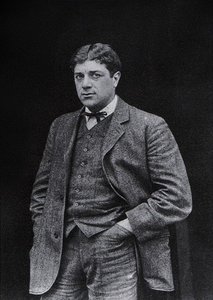
1882 - 1963 , 法国

Explore the revolutionary evolution of Cubist still life. From deconstructed forms to the mastery of Braque and Picasso, discover how this movement redefined modern art through an expert historical lens.

Explore the revolutionary world of Cubism. Discover how Pablo Picasso and Georges Braque dismantled perspective to redefine modern art through geometric innovation and analytical mastery. An essential guide for art students, collectors, and history enthusiasts.


第一时间获取最新的艺术新闻、独家优惠及装饰灵感。
向我们介绍您的项目需求,我们的艺术专家将为您提供 3 个个性化的艺术品推荐。
由我们的专家为您精选 3 款心仪之作 —— 完全免费!


 效果预览
效果预览
 购买手绘画作
 分享
分享 分享
分享
 详情
详情

 下载
下载
 相似作品
相似作品 X射线
X射线 幻灯片播放
幻灯片播放

 展开详情
展开详情









 玻璃选项仅适用于110厘米以下的尺寸。


