


x
 Oil On CanvasWallArtCubist Still Life
 1955Modern
 161.0 x 72.0 cm




























从与原作比例一致的预设尺寸中进行选择。

您可以输入自定义尺寸,以适配特定的画框或空间。如果您选择的尺寸与原图比例不符,我们将对作品进行裁剪,或通过镜像填充/纯色填充边缘的方式来扩展图像。在开始制作之前,我们会向您发送一份数字效果图供您确认。
请注意,屏幕上的预览并不能反映实际的裁剪或扩展效果。只有效果图才能准确展示最终的构图。
虽然我们提供定制尺寸,但为了保持原图比例,我们建议您从预设列表中选择尺寸。

The Window Shade
复制品尺寸
To gaze upon Georges Braque’s “The Window Shade,” painted in 1955, is to step into a world where the boundaries between reality and perception begin to dissolve. This evocative masterpiece serves as a profound testament to the enduring legacy of Cubism and Expressionism, capturing much more than a mere arrangement of objects. It presents a meticulously crafted tableau that speaks to the emotional resonance of the mid-century era—a time defined by both rapid technological advancement and an underlying sense of existential uncertainty. Within this single canvas, Braque invites the viewer to look beyond the surface, offering a window into a mind that sought to deconstruct the very essence of modern life.
At first glance, the composition appears to honor the traditions of the classical still life. We see a collection of vases, each brimming with delicate floral arrangements, resting upon a tabletop alongside a simple bowl of fruit. Yet, Braque subtly dismantles these conventional expectations through his masterful application of Cubist principles. Rather than presenting solid, immutable objects, he depicts the vases and fruit as fractured planes of color and form. These geometric shapes overlap and intersect in a complex dance, creating an illusionistic depth that defies the rigid linear perspective of the Renaissance. This fragmentation serves as a powerful metaphor for the splintered experience of modern existence, where the familiar is constantly being reimagined through new lenses.
The technical brilliance of “The Window Shade” lies in Braque’s restrained yet deeply impactful use of color and texture. Eschewing the vibrant, fleeting light favored by the Impressionists, Braque instead embraces a palette of muted, earthy tones—ochre, deep brown, and somber gray. This choice reflects an Expressionist sensibility, where the primary goal is to convey mood and internal emotion rather than external accuracy. The artist’s hand is visible in every stroke; he applied paint with thick, deliberate impasto, creating a palpable surface texture that gives the work a sculptural quality. This tactile dimension invites the eye to wander across the canvas, feeling the weight of the shadows and the subtle interplay of light upon the fractured surfaces.
For the discerning collector or interior designer, this artwork offers an unparalleled sense of sophistication and depth. The painting’s ability to anchor a room with its quiet strength makes it an ideal centerpiece for spaces that value intellectual rigor and understated elegance. Whether placed in a contemporary gallery setting or a classic study, a high-quality reproduction of this piece brings with it the historical weight of the 20th century's most radical artistic movement. It is not merely a decoration but an invitation to contemplation, a way to infuse a living space with the transformative power of Braque’s vision—a vision that finds profound beauty within the broken and the reconstructed.

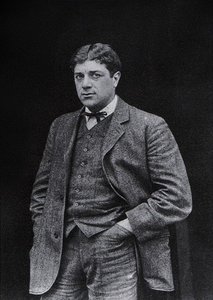
1882 - 1963 , 法国

Unveil the revolutionary legacy of Pablo Picasso. From the haunting Blue Period to the geometric brilliance of Cubism, explore 25 timeless masterpieces that redefined art history. Find inspiration with museum-quality reproductions. Discover all masterpieces on Most-Famous-Paintings.com

Experience the raw emotion and geometric beauty of Cubist Expressionism. From Picasso’s fractured forms to vibrant expressionist palettes, explore ten timeless masterpieces and find museum-quality reproductions for your decor. Discover all masterpieces on Most-Famous-Paintings.com

Explore the revolutionary evolution of Cubist still life. From deconstructed forms to the mastery of Braque and Picasso, discover how this movement redefined modern art through an expert historical lens.


第一时间获取最新的艺术新闻、独家优惠及装饰灵感。
向我们介绍您的项目需求,我们的艺术专家将为您提供 3 个个性化的艺术品推荐。
由我们的专家为您精选 3 款心仪之作 —— 完全免费!


 效果预览
效果预览
 购买手绘画作
 分享
分享 分享
分享
 详情
详情

 下载
下载
 相似作品
相似作品 X射线
X射线 幻灯片播放
幻灯片播放 展开详情
展开详情









 玻璃选项仅适用于110厘米以下的尺寸。


