


x





























从与原作比例一致的预设尺寸中进行选择。

您可以输入自定义尺寸,以适配特定的画框或空间。如果您选择的尺寸与原图比例不符,我们将对作品进行裁剪,或通过镜像填充/纯色填充边缘的方式来扩展图像。在开始制作之前,我们会向您发送一份数字效果图供您确认。
请注意,屏幕上的预览并不能反映实际的裁剪或扩展效果。只有效果图才能准确展示最终的构图。
虽然我们提供定制尺寸,但为了保持原图比例,我们建议您从预设列表中选择尺寸。

untitled (1768)
复制品尺寸
Georges Braque's Untitled (1768) isn’t a painting that shouts for attention; it whispers, inviting the viewer into a world of subtle observation and carefully constructed form. This work, painted in 1968 – a period when Braque was already a seasoned master of his craft – represents a fascinating intersection of his lifelong explorations with Cubism, Fauvism, and a deep-seated appreciation for the everyday. It’s a piece that rewards patient contemplation, revealing layers of meaning within its deceptively simple composition.
The image depicts a solitary figure holding a guitar, an instrument intrinsically linked to storytelling, emotion, and communal experience. He's dressed in what appears to be a hat, adding a touch of mystery and perhaps suggesting a performer or itinerant musician. A guitar case rests at his feet – a tangible symbol of his profession and the tools of his trade. The background is deliberately muted, focusing entirely on the subject and allowing the viewer’s eye to trace the contours of the figure and the instrument.
Born in Argenteuil, France, in 1882, Georges Braque's artistic journey began not with grand pronouncements but with a grounding in practical skills. His upbringing within a family of house painters instilled an acute awareness of materials, texture, and the fundamental building blocks of visual representation. This early exposure to craftsmanship – a rare foundation for an artist – proved invaluable as he later dismantled traditional notions of perspective and form. He initially followed his father’s trade but quickly recognized his own innate artistic inclinations, leading him to formal training at the École des Beaux-Arts in Le Havre.
Moving to Paris in 1902, Braque immersed himself in the vibrant artistic scene, encountering figures like Marie Laurencin and Francis Picabia. It was here that he began his exploration of Fauvism, a movement characterized by bold colors and expressive brushstrokes – an initial departure from the academic traditions he’d studied. This early experimentation laid the groundwork for his later revolutionary contributions to Cubism.
Braque's pivotal role in the development of Cubism is undeniable, a movement that fundamentally altered the course of 20th-century art. Alongside Pablo Picasso, he meticulously deconstructed objects and figures into geometric forms, presenting multiple viewpoints simultaneously on a single canvas. The period between 1908 and 1912 saw an intense collaboration between Braque and Picasso, their works often becoming virtually indistinguishable for years – a testament to the shared intellectual and artistic exploration.
Untitled (1768) embodies this Cubist spirit, though with a more restrained approach than some of his most radical pieces. The figures are fragmented and reassembled, suggesting an awareness of multiple perspectives rather than a complete dissolution of form. The muted palette – dominated by earthy tones and subtle gradations – contributes to the painting’s contemplative mood, encouraging viewers to engage in a process of visual reconstruction.
Beyond its formal innovations, Untitled (1768) possesses a quiet emotional resonance. The solitary figure with his guitar evokes themes of introspection, creativity, and perhaps even loneliness. The instrument itself is a potent symbol – representing music’s ability to transcend boundaries, express emotions, and connect people across generations.
Braque's masterful use of light and shadow subtly defines the form of the figure and his guitar, creating a sense of depth and volume despite the simplified representation. The painting invites us to imagine the story behind this quiet moment – perhaps a musician lost in thought, or simply capturing a fleeting glimpse of everyday life. Reproductions of this work offer a unique opportunity to bring this evocative image into your home, allowing you to appreciate Braque’s genius and its enduring power.

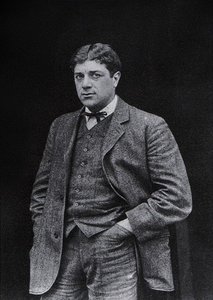
1882 - 1963 , 法国

Explore the revolutionary world of Cubism. Discover how Pablo Picasso and Georges Braque dismantled perspective to redefine modern art through geometric innovation and analytical mastery. An essential guide for art students, collectors, and history enthusiasts.

Explore the revolutionary world of Cubism. Discover how masters Pablo Picasso and Georges Braque dismantled reality through geometric abstraction to redefine modern art history.

Master the complexities of Cubism with our expert guide. Explore how Picasso and Braque revolutionized modern art through fragmentation, multiple perspectives, and geometric innovation. Perfect for art students and collectors seeking deep historical insight.

Explore the revolutionary world of Cubism. From Picasso's analytical deconstruction to Braque's geometric forms, master the history of fragmentation and modern art through this expert guide for students and collectors.

Master the complexities of Analytical Cubism with our expert guide. Explore how Picasso and Braque revolutionized art through fragmented perspectives, geometric deconstruction, and simultaneous viewpoints. A definitive resource for art students and collectors seeking deep historical insight.


第一时间获取最新的艺术新闻、独家优惠及装饰灵感。
向我们介绍您的项目需求,我们的艺术专家将为您提供 3 个个性化的艺术品推荐。
由我们的专家为您精选 3 款心仪之作 —— 完全免费!


 效果预览
效果预览
 购买手绘画作
 分享
分享 分享
分享
 详情
详情

 下载
下载
 相似作品
相似作品 X射线
X射线 幻灯片播放
幻灯片播放
 展开详情
展开详情









 玻璃选项仅适用于110厘米以下的尺寸。


