


x





























从与原作比例一致的预设尺寸中进行选择。

您可以输入自定义尺寸,以适配特定的画框或空间。如果您选择的尺寸与原图比例不符,我们将对作品进行裁剪,或通过镜像填充/纯色填充边缘的方式来扩展图像。在开始制作之前,我们会向您发送一份数字效果图供您确认。
请注意,屏幕上的预览并不能反映实际的裁剪或扩展效果。只有效果图才能准确展示最终的构图。
虽然我们提供定制尺寸,但为了保持原图比例,我们建议您从预设列表中选择尺寸。

untitled (3777)
复制品尺寸
Georges Braque’s “Untitled (3777)” presents a deceptively simple scene – a modestly furnished room bathed in the stark contrast of black and white. Yet, within this apparent stillness lies a complex interplay of form, perspective, and human presence, hallmarks of the artist's pivotal role in developing Cubism alongside Pablo Picasso. The painting isn’t merely a depiction of an interior; it’s a carefully constructed puzzle designed to challenge our perception of space and reality, inviting us to actively engage with its fragmented composition.
The central focus is undeniably the chair, positioned deliberately near the viewer's eye line, anchoring the scene. However, Braque doesn’t offer a straightforward representation. Instead, he deconstructs the object into geometric planes – sharp angles and overlapping forms that suggest multiple viewpoints simultaneously. This technique, characteristic of Cubism, dismantles traditional notions of depth and perspective, forcing us to reconsider how we see the world. The two figures within the room—a man and a woman—are similarly rendered with an emphasis on their constituent parts, their bodies fragmented and reassembled into abstract shapes. They are not presented as unified individuals but rather as elements contributing to the overall spatial arrangement of the scene.
Created around 1927, “Untitled (3777)” sits firmly within a transitional period in Braque’s artistic development. It showcases elements of his earlier work with the Fauves – particularly the bold use of color and expressive brushstrokes—while simultaneously foreshadowing the more rigorous geometric explorations that would define Cubism. The subdued palette, dominated by grays and blacks, creates an atmosphere of quiet contemplation, a deliberate shift from the vibrant hues of his Fauvist phase. The meticulous attention to detail in rendering the furniture – the texture of the couch, the sheen of the clock – reveals Braque’s continued mastery of technique, even as he pushes against established artistic conventions.
Notably, the inclusion of everyday objects—a dining table, a book, a vase—elevates the scene beyond mere architectural study. These items become symbols of domesticity and routine, subtly hinting at the lives of those within the room. The clock, in particular, introduces an element of temporal awareness, suggesting that time itself is being fragmented and reconfigured by Braque’s artistic vision.
While seemingly objective in its monochrome presentation, “Untitled (3777)” possesses a subtle emotional depth. The arrangement of the figures and objects creates a sense of contained tension—a quiet stillness punctuated by the implied presence of human interaction. The fragmented forms can be interpreted as representing the complexities of modern life, where individuals are often isolated within their own thoughts and experiences. The painting’s ambiguity invites viewers to project their own interpretations onto the scene, fostering a personal connection with the artwork.
Braque's exploration of geometric abstraction in this piece anticipates the broader artistic movements of the 20th century, solidifying his position as a key innovator in modern art. Reproductions of “Untitled (3777)” offer a unique opportunity to experience firsthand the intellectual and aesthetic rigor that defined Braque’s groundbreaking work – a testament to the power of fragmentation and the enduring appeal of a meticulously constructed visual puzzle.
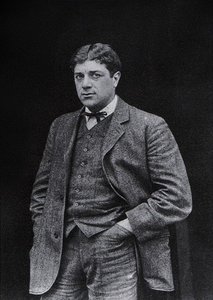
1882 - 1963 , 法国

Explore the revolutionary world of Cubism. Discover how Pablo Picasso and Georges Braque dismantled perspective to redefine modern art through geometric innovation and analytical mastery. An essential guide for art students, collectors, and history enthusiasts.

Explore the revolutionary world of Cubism. Discover how masters Pablo Picasso and Georges Braque dismantled reality through geometric abstraction to redefine modern art history.

Master the complexities of Cubism with our expert guide. Explore how Picasso and Braque revolutionized modern art through fragmentation, multiple perspectives, and geometric innovation. Perfect for art students and collectors seeking deep historical insight.

Explore the revolutionary world of Cubism. From Picasso's analytical deconstruction to Braque's geometric forms, master the history of fragmentation and modern art through this expert guide for students and collectors.

Master the complexities of Analytical Cubism with our expert guide. Explore how Picasso and Braque revolutionized art through fragmented perspectives, geometric deconstruction, and simultaneous viewpoints. A definitive resource for art students and collectors seeking deep historical insight.


第一时间获取最新的艺术新闻、独家优惠及装饰灵感。
向我们介绍您的项目需求,我们的艺术专家将为您提供 3 个个性化的艺术品推荐。
由我们的专家为您精选 3 款心仪之作 —— 完全免费!


 效果预览
效果预览
 购买手绘画作
 分享
分享 分享
分享
 详情
详情

 下载
下载
 相似作品
相似作品 X射线
X射线 幻灯片播放
幻灯片播放
 展开详情
展开详情









 玻璃选项仅适用于110厘米以下的尺寸。


