入驻售卖艺术品
愿望清单 购物车 Cart
效果预览效果预览 AR 预览AR 预览 购买手绘画作 购买手绘画作购买图片 购买图片 分享分享
详情详情 加入收藏 加入收藏 下载下载 相似作品相似作品 X射线X射线 幻灯片播放幻灯片播放

Verni bird

Georges Braque’s Cubist masterpiece captures the elegance of flight against a tranquil ocean backdrop. This stylized bird painting exemplifies early 20th-century artistic innovation and invites you to explore the beauty of modern art.

乔治·布拉克(1882-1963):立体主义先驱, fauvism大师。探索他的创新艺术作品,从《埃斯塔克小屋》到令人惊叹的拼贴画。他是与毕加索合作开创立体主义运动的关键人物,对现代艺术产生了深远影响。

艺术微喷/版画

博物馆级艺术微喷或帆布版画,制作高效,并提供多种饰面选择。 (购买手绘画作 购买手绘画作购买图片 购买图片)

P118B $10
P118H $10
P118W $10
P438Z $10
P508JH $12
P508YH $12
P805H $10
P805Z $10
P919BZ $10
P919G $10
P919XJ $10
P959ZH $10
P968JZ $12
W106C $8
W218G $10
W218JH $8
W218Y $10
W307PJ $10
W316G $10
W316PJ $8
W316Y $10
W398PJ $8
W4111J $10
W500HY $15
W500JH $15
W692G $12
W849H $8
W940BG $15
W953PJ $8

Standard
custom
CM
INCH

从与原作比例一致的预设尺寸中进行选择。

宽度
高度

您可以输入自定义尺寸,以适配特定的画框或空间。如果您选择的尺寸与原图比例不符,我们将对作品进行裁剪,或通过镜像填充/纯色填充边缘的方式来扩展图像。在开始制作之前,我们会向您发送一份数字效果图供您确认。
请注意,屏幕上的预览并不能反映实际的裁剪或扩展效果。只有效果图才能准确展示最终的构图。
虽然我们提供定制尺寸,但为了保持原图比例,我们建议您从预设列表中选择尺寸。

全球配送(),仅需 2 周即可送达,无需等待标准流程的 4/5 周。(15 August)

why_choose_icon
全球免费特快专递服务
why_choose_icon
优质亚麻画布
why_choose_icon
全程运输保险
why_choose_icon
关税退款保证
why_choose_icon
色彩还原度保证
why_choose_icon
60天退货政策(仅限制造缺陷)
why_choose_icon
100%退款保证
why_choose_icon
多件购买优惠

总计金额

$ 68

reproduction

Verni bird

艺术微喷/版画

复制品尺寸

-

最终总价

$ 68

作品概览

  • Medium: Painting
  • Subject or theme: Bird in flight
  • Title: Verni bird
  • Artist: Georges Braque
  • Influences: House painters
  • Artistic style: Complex visual effect

藏品详情

Georges Braque’s “Verni Bird”: A Fragment of Cubist Vision

  • The painting "Verni Bird," executed by Georges Braque, stands as a testament to the transformative power of Cubism—a movement that irrevocably altered the course of artistic history. Created sometime between 1906 and 1907, this deceptively simple composition encapsulates the core tenets of Picasso’s and Braque's groundbreaking experimentation with perspective and representation.
  • Subject Matter & Composition: At its heart lies a stylized depiction of a bird in flight. Rather than striving for realistic portrayal, Braque employs geometric forms—primarily planes intersecting at sharp angles—to convey the essence of movement and volume. The bird’s wings dominate the canvas, rendered as fragmented planes that simultaneously suggest both frontal and lateral views.
  • Cubist Technique: Braque's masterful technique exemplifies the principles of Cubism. He utilizes a palette dominated by muted earthy tones—ochre, umber, and terracotta—creating an atmosphere of quiet contemplation. The artist meticulously builds up texture through layering thin washes of pigment, subtly hinting at the materiality of the bird’s plumage.
  • Historical Context: “Verni Bird” emerged during a pivotal period in artistic innovation. Following Impressionism's focus on capturing fleeting moments of light and color, Cubists sought to dismantle illusionistic space and explore alternative ways of perceiving reality. Influenced by Cézanne’s explorations of sculptural form and African art’s expressive simplification, Braque and Picasso pushed the boundaries of artistic convention.
  • Symbolism & Emotional Resonance: While seemingly devoid of overt narrative content, “Verni Bird” resonates with profound symbolic significance. The bird itself represents freedom, aspiration, and transcendence—themes central to the humanist spirit of the era. Its upward trajectory embodies a yearning for progress and beauty, capturing an intangible emotion that transcends mere visual representation.

Exploring Braque’s Geometric Approach

Braque's decision to fragment form wasn’t merely stylistic; it was driven by a deeper philosophical inquiry into the nature of perception. He believed that objects could be understood not as single entities but as composite structures viewed from multiple viewpoints simultaneously. This conceptual breakthrough mirrored broader intellectual currents of the time, reflecting anxieties about traditional notions of representation and embracing new ways of engaging with visual experience.

The Influence of Cézanne & African Art

The artist’s vision was undeniably shaped by two seminal influences: Cézanne's groundbreaking explorations of sculptural form and the expressive simplification characteristic of African tribal art. Cézanne’s insistence on depicting objects as they exist in three dimensions—rather than flattening them onto a canvas—provided Braque with a crucial precedent for dismantling illusionistic space. Similarly, African sculptures captivated artists with their bold geometric shapes and stylized figures, inspiring Braque to adopt a similar aesthetic strategy.

A Reproduction That Captures Essence

Most-Famous-Paintings’s meticulous reproductions faithfully capture the subtle nuances of Braque's original painting. Utilizing archival pigments and printing methods, our artisans ensure that every detail—from the delicate texture of the bird’s feathers to the muted tonal palette—is reproduced with exceptional accuracy. This allows collectors and interior designers alike to experience the beauty and intellectual depth of “Verni Bird” in a stunningly realistic format.

艺术家简介

乔治·布拉克:立体主义的先驱与艺术革新的探索

乔治·布拉克,1882年出生于法国阿尔居特维尔,是二十世纪最具影响力的画家之一。他的艺术生涯并非一蹴而就,而是经历了一系列深刻的转变和创新。早年在家乡勒阿弗尔,布拉克的父亲是一位房屋油漆匠,这使得他从小就接触了绘画材料和技巧,并培养了对形式与结构的敏感性。尽管最初也跟随父亲的脚步学习油漆技术,但艺术的天赋最终促使他进入勒阿佛尔美术学校深造。随后,他移居巴黎,在雨贝尔学院进修,在那里结识了玛丽·洛朗西和弗朗西斯·皮卡比亚等艺术家,为他早期的艺术发展奠定了基础。最初的作品受到印象派和后印象派的影响,但很快便受到了野兽主义的启发,这促使他在色彩运用上更加大胆奔放。

从野兽主义到立体主义:艺术道路上的关键转折

1905年,布拉克开始尝试野兽主义风格,其特点是使用鲜艳、非自然的色彩和富有表现力的笔触。《耐心》等作品充分体现了这一时期的风格。他与亨利·马蒂斯和安德烈·德雷恩等人共同探索着艺术的边界。然而,布拉克的野兽主义并非简单的模仿,而是融入了他独特的思考方式,在保持色彩活力的同时,更加注重形式的结构和分析。1907年,他在巴黎秋季沙龙观看了保罗·塞尚的回顾展,塞尚对几何形态和多角度视角的强调,彻底改变了布拉克的艺术方向。塞尚的影响成为了布拉克艺术生涯中的一个重要转折点,也为他与毕加索共同开启立体主义奠定了基础。

与毕加索的合作:立体主义的诞生与发展

1907年之后,布拉克与巴勃罗·毕加索开始了密切的合作,两人共同开创了立体主义这一革命性的艺术运动。他们打破了传统的透视和空间表现手法,将物体分解成几何形状,并从多个角度同时呈现出来,挑战了人们对视觉空间的认知。《房屋于埃斯塔克》等作品便是立体主义早期风格的代表作,展现了布拉克对形式结构的高度关注。在这一阶段,布拉克的画作色彩变得更加沉静,强调形式而非色彩,力求表现物体的整体存在感。

创新与实验:拼贴艺术的探索

随着立体主义的发展,布拉克和毕加索开始尝试拼贴(collage)技术,将现实世界中的材料,如报纸碎片、墙纸和布料等,融入到绘画创作中。这一创新打破了绘画与雕塑之间的界限,模糊了艺术与生活的边界。《小鱼》等作品便是拼贴技术的典范,展现了布拉克对材料质感和空间关系的探索。布拉克在拼贴艺术上的贡献在于他将广告标语等日常元素融入到画面中,预示着后来波普艺术等关注媒体文化批判的艺术潮流。

晚年风格与持久的影响

一战爆发后,布拉克的艺术生涯经历了一段中断期。战争结束后,他的风格逐渐从立体主义的严格形式中解放出来,开始探索更加个人化和抒情的题材。他重新燃起了对静物的兴趣,并融入了古典构图的元素。晚年的作品色彩更加柔和,画面氛围也更加宁静祥和。《柠檬》等作品体现了他对色彩和谐与形式结构的精妙把握。布拉克始终致力于探索形式、空间和表现之间的基本原理,不断尝试新的材料和技巧,直至1963年去世。他的艺术成就不仅影响了后世无数的艺术家,更彻底改变了我们对世界及其视觉呈现方式的理解。

重要作品与艺术遗产

  • 房屋于埃斯塔克:立体主义早期风格的代表作。
  • 小鱼:拼贴技术的典范。
  • 柠檬:晚年作品,体现了对色彩和谐与形式结构的精妙把握。
布拉克的艺术遗产超越了他个人的作品,他深刻地改变了我们对视觉世界和艺术表现的认知。他与毕加索的合作,以及他独特的艺术视角,使他在现代艺术史上占据着举足轻重的地位——一位敢于挑战传统、重新定义绘画可能性的艺术大师。
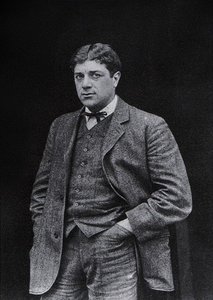
乔治·布拉克

乔治·布拉克

1882 - 1963 , 法国

艺术家简介

  • 全名: 乔治·布拉克
  • 出生地点: 法国阿尔内维尔
  • 出生日期: 1882年5月13日
  • 去世日期: 1963年
  • 受影响的艺术家或运动:
    • 巴勃罗·毕加索
    • 现代艺术
  • 国籍: 法国
  • 影响艺术家:
    • 亨利·马蒂斯
    • 安德烈·德雷恩
    • 保罗·塞尚
  • 艺术运动或风格: 立体主义,野兽派
  • 著名作品:
    • 房屋在勒斯塔克
    • 《耐心》
    • 小提琴与调色板
    • 曼多拉
探索按主题、风格和特征分类的艺术作品。