


x





























从与原作比例一致的预设尺寸中进行选择。

您可以输入自定义尺寸,以适配特定的画框或空间。如果您选择的尺寸与原图比例不符,我们将对作品进行裁剪,或通过镜像填充/纯色填充边缘的方式来扩展图像。在开始制作之前,我们会向您发送一份数字效果图供您确认。
请注意,屏幕上的预览并不能反映实际的裁剪或扩展效果。只有效果图才能准确展示最终的构图。
虽然我们提供定制尺寸,但为了保持原图比例,我们建议您从预设列表中选择尺寸。

Abstraction
复制品尺寸
Georgia O’Keeffe’s “Abstraction,” created in 1945, isn’t merely a painting; it’s an intimate glimpse into the artist’s profoundly personal vision. Executed in charcoal on paper, this work represents a pivotal moment in O’Keeffe's career – a deliberate shift away from representational art and toward a more emotionally driven style that would define her later decades. It stands as a testament to her ability to distill complex feelings into strikingly simple forms, inviting viewers to contemplate the essence of experience rather than its literal depiction.
The composition itself is deceptively straightforward: a dominant oval shape, reminiscent of a shell or perhaps a simplified human form, dominates the center of the image. Two distinct points of attachment are visible in the upper right corner, subtly suggesting connection and interaction. The lines are fluid and dynamic, not sharply defined but rather possessing a palpable sense of movement and energy. O’Keeffe masterfully employs layering – multiple washes of charcoal create a rich texture that seems to vibrate with internal life. The stark contrast between light and shadow further enhances the painting's dramatic effect, drawing the eye inward and encouraging close observation.
Following her groundbreaking work in New Mexico during the 1930s and 40s, O’Keeffe experienced a period of critical rejection for her abstract paintings. Critics, including influential figures like Clement Greenberg, often interpreted these works through a lens of sexuality, reducing them to mere symbolic representations of female anatomy – an interpretation vehemently denied by O'Keeffe herself. This misunderstanding, coupled with the prevailing market trends favoring more conventional styles, led her to largely abandon abstraction for several years. However, in 1942, spurred by a desire to reclaim her artistic voice and respond to critical dismissal, she returned to this expressive mode of painting.
The inspiration for “Abstraction” likely stemmed from O’Keeffe's deep connection with the natural world – specifically, the landscapes and geological formations of New Mexico. She sought to capture not just the appearance of these elements but their underlying essence, their emotional resonance. The simplified forms and dynamic lines mirror the patterns found in rock strata, wind-sculpted mesas, and the vast expanse of the desert sky. It’s a translation of external reality into an internal landscape, filtered through her unique perceptual experience.
While O'Keeffe resisted assigning specific symbolic meanings to her abstractions, it is undeniable that they are laden with emotional weight. The dominant oval shape can be interpreted as a symbol of containment, protection, or perhaps even the womb – evoking primal instincts and fundamental life forces. The two points of attachment suggest connection, interaction, and the delicate balance between opposing elements. The overall effect is one of quiet intensity, inviting contemplation and introspection.
Furthermore, the monochromatic palette—a deliberate choice by O’Keeffe—amplifies the painting's emotional impact. The absence of color forces the viewer to focus on form, texture, and line, intensifying their sensory experience. It creates a sense of timelessness and universality, transcending specific subject matter and tapping into something deeper within the human psyche.
“Abstraction” is more than just a beautiful artwork; it’s a crucial document in the evolution of American modernism. It represents a bold assertion of artistic autonomy – O'Keeffe refusing to be constrained by external expectations and pursuing her own unique vision. This work foreshadowed many developments in abstract expressionism, demonstrating the power of non-representational art to convey profound emotional truths. Today, “Abstraction” continues to resonate with viewers, offering a timeless meditation on form, feeling, and the enduring mystery of the human experience.

1887 - 1986 , 美国
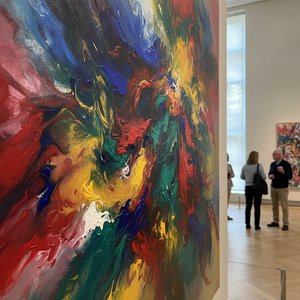
Explore the profound emotional depth of Lyrical Abstraction. Discover how masters like Raymond Parker used color and form to bridge Impressionism and Abstract Expressionism. Learn about this pivotal movement through our expert-led art history guide.

Explore the profound emotional depth of Color Field painting. Discover the history of mid-century abstraction, from Rothko to Newman, and learn how pure color transforms the viewer's experience through our expert art history guide.

Discover the profound emotional depth and investment potential of contemporary abstraction. Our expert guide explores how texture, movement, and form create timeless value for discerning art collectors and sophisticated interiors.


第一时间获取最新的艺术新闻、独家优惠及装饰灵感。
向我们介绍您的项目需求,我们的艺术专家将为您提供 3 个个性化的艺术品推荐。
由我们的专家为您精选 3 款心仪之作 —— 完全免费!


 效果预览
效果预览
 购买手绘画作
 分享
分享 分享
分享
 详情
详情

 下载
下载
 相似作品
相似作品 X射线
X射线 幻灯片播放
幻灯片播放


 展开详情
展开详情









 玻璃选项仅适用于110厘米以下的尺寸。


