x
 Oil On PanelEarly Netherlandish Renaissance
 1490
1490 88.0 x 56.0 cm
 普拉多博物馆
购买高分辨率增强版数字图像,其品质远超在线预览。
每一份文件都由我们的内部专家使用先进工具与专业的后期润色技术精心打造。我们确保每一张图像都具备卓越的清晰度、精准的色彩还原度以及细腻的细节表现。
最终文件将在 72 小时内通过电子邮件交付,并针对专业、编辑及印刷用途进行了优化。其品质与顶级设计工作室、出版社和画廊所信赖的标准完全一致。
选择 Most-Famous-Paintings.com,您获得的不仅仅是一张图像——您收到的是经过专业级增强、精雕细琢的数字艺术作品,并享有满意保证。以下是您的订单中自动包含的所有内容:

您的高分辨率数字图像文件将在下单后 72 小时内通过电子邮件发送给您 —— 即可立即使用。

您的艺术品经过专业优化,结合先进的 AI 技术与人工修饰,确保呈现极致的细节、清晰度与色彩准确度。

不小心删除了文件或找不到了?没关系——我们将随时为您免费重发。

即刻拥有您的艺术作品,无需支付任何关税、税费或运费——数字下载始终免税。

我们通过专业工具与色彩管理技术,确保您的数字图像尽可能真实地还原原作色彩。

如果您对所购买的数字图像不满意,我们将在60天内为您进行修改或退还100%的款项——无需任何解释。

如果不满意?在收到数字文件后的60天内,我们为您提供全额退款——无需任何理由。

购买 3 张图片可享 10% 折扣 - 购买 5 张可享 15% 折扣 - 购买 10+ 张可享 20% 折扣。非常适合创意项目、画廊和机构使用。
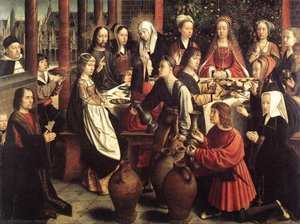
Gerard David's "Crucifixion," painted around 1490, isn’t merely a depiction of a pivotal biblical event; it’s an immersive experience—a profound meditation on sacrifice, sorrow, and the enduring promise of redemption. This oil-on-panel masterpiece, now housed within the Metropolitan Museum of Art in New York, stands as a testament to David's mastery of color, composition, and his ability to infuse religious iconography with a deeply human sensibility. Unlike many depictions of Christ’s suffering that emphasize dramatic violence, David presents a scene imbued with quiet contemplation, inviting viewers into a space of solemn reverence.
The painting immediately draws the eye to the central figure of Jesus, suspended on the cross. His posture is not one of agonizing struggle, but rather of serene acceptance—a subtle shift in perspective that speaks volumes about David’s artistic vision. Below him unfolds a carefully orchestrated tableau: Mary, her face etched with grief, kneels in mourning; John the Apostle stands as a witness, his expression a blend of sorrow and devotion; and a gathering of townspeople, rendered with remarkable realism, observe the event with varying degrees of shock and despair. The inclusion of Saint Jerome, identifiable by his beard and scroll, adds another layer of symbolic depth, suggesting the painting’s genesis from scripture—a visual interpretation of the Gospel narrative.
David's genius lies not only in his compositional skill but also in his masterful manipulation of color. He employs a restrained palette dominated by earthy tones – ochres, browns, and muted reds – creating an atmosphere of somber dignity. However, within this subdued range, he introduces subtle shifts in hue that draw the eye and heighten emotional impact. The stark white of Christ’s garments provides a striking contrast against the dark background, emphasizing his vulnerability and sacrifice. The use of gold leaf accents—particularly around the central figure—adds a touch of sacred radiance, elevating the scene to a realm of spiritual significance.
Technically, David demonstrates an exceptional understanding of oil paint. The application is meticulous, layering colors to achieve rich textures and subtle gradations of tone. The smooth surfaces belie the painstaking effort involved, while the carefully rendered fabric folds and rougher textures in the landscape—a rolling vista with a distant city—suggest a deep engagement with the natural world. Perspective is relatively shallow, characteristic of the period, prioritizing emotional impact over strict adherence to linear perspective rules. This choice contributes to the painting’s intimate and immersive quality.
“Crucifixion” reflects the artistic currents of the Early Netherlandish Renaissance—a movement characterized by a meticulous attention to detail, a profound interest in realism, and a sophisticated understanding of symbolism. David’s work builds upon the traditions of artists like Hans Memling, while simultaneously pushing boundaries through his innovative use of color and composition. The inclusion of Saint Jerome, for example, is a deliberate reference to the biblical text, inviting viewers to contemplate the theological implications of Christ's sacrifice.
Furthermore, the painting embodies the Renaissance humanist interest in portraying human emotion with honesty and depth. David doesn’t shy away from depicting the sorrow and grief experienced by those present at the crucifixion—a departure from earlier depictions that often focused solely on the spectacle of the event. This emphasis on human experience elevates “Crucifixion” beyond a mere historical illustration, transforming it into a powerful meditation on faith, suffering, and redemption. It’s a work that continues to resonate with viewers centuries after its creation, offering a timeless glimpse into the complexities of the human condition.


1450 - 1523 , 荷兰


第一时间获取最新的艺术新闻、独家优惠及装饰灵感。
向我们介绍您的项目需求,我们的艺术专家将为您提供 3 个个性化的艺术品推荐。
由我们的专家为您精选 3 款心仪之作 —— 完全免费!


 效果预览
效果预览
 购买印刷品
购买印刷品 分享
分享 分享
分享
 详情
详情

 下载
下载
 相似作品
相似作品 X射线
X射线 幻灯片播放
幻灯片播放 展开详情
展开详情