入驻售卖艺术品
愿望清单 购物车 Cart
效果预览效果预览 AR 预览AR 预览 购买印刷品 购买印刷品购买图片 购买图片 分享分享
详情详情 加入收藏 加入收藏 下载下载 相似作品相似作品 X射线X射线 幻灯片播放幻灯片播放

Nature studies

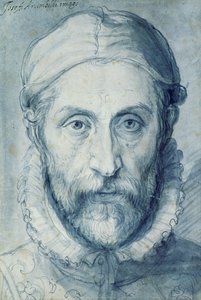
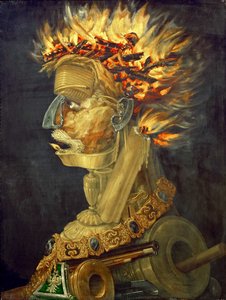
This striking black and white portrait by Giuseppe Arcimboldo, "Nature Studies," showcases a masterful blend of animal and floral imagery—a deer with antlers and a melancholic dog alongside three vibrant flowers—reflecting the artist's inventive approach to Renaissance symbolism.

Giuseppe Arcimboldo (1527-1593) 是一位意大利曼尼尔主义画家,以其将水果、蔬菜和物品巧妙组合成人物肖像而闻名。他的作品充满奇思妙想,富含象征意义,是文艺复兴时期独特的艺术表达,对后世超现实主义绘画产生了深远影响。

手工油画复制品

由我们的艺术家按需定制,为您提供您所选尺寸及画框的布面手工油画。 (购买印刷品 购买印刷品购买图片 购买图片)

P118B $10
P118H $10
P118W $10
P438Z $10
P508JH $12
P508YH $12
P805H $10
P805Z $10
P919BZ $10
P919G $10
P919XJ $10
P959ZH $10
P968JZ $12
W106C $8
W218G $10
W218JH $8
W218Y $10
W307PJ $10
W316G $10
W316PJ $8
W316Y $10
W398PJ $8
W4111J $10
W500HY $15
W500JH $15
W692G $12
W849H $8
W940BG $15
W953PJ $8

Standard
custom
CM
INCH

从与原作比例一致的预设尺寸中进行选择。

宽度
高度

您可以输入自定义尺寸,以适配特定的画框或空间。如果所选尺寸与原图比例不符,我们将通过裁剪作品或添加手绘元素来扩展画面。数字样稿将在制作开始前发送给您确认。
请注意,屏幕预览无法准确反映实际的裁剪或扩展效果,只有样稿才能真实呈现最终的构图。
虽然我们提供定制尺寸服务,但为了保留原作比例,建议您从预设列表中选择尺寸。

可定制示例:将面部替换为客户照片;添加宠物(例如,将猫替换为狗);在背景中加入隐藏信息;更改背景风景或元素。
下单后,Most-Famous-Paintings.com 团队将通过电子邮件联系客户获取具体要求,并提供效果预览图。

全球配送(),仅需 3-4 周即可送达,无需等待标准时效的 5 周。(20 August)。品质绝不妥协。

why_choose_icon
全球免费特快专递服务
why_choose_icon
优质亚麻画布
why_choose_icon
全程运输保险
why_choose_icon
关税退款保证
why_choose_icon
色彩还原度保证
why_choose_icon
60天退货政策(仅限制造缺陷)
why_choose_icon
100%退款保证
why_choose_icon
多件购买优惠

总计金额

$ 272

reproduction

Nature studies

复制材质

复制品尺寸

-

最终总价

$ 272

作品概览

  • Notable elements or techniques: Composite head, Fruit arrangement
  • Influences: Alchemy
  • Medium: Oil painting
  • Year: 1591
  • Movement: Renaissance
  • Artist: Giuseppe Arcimboldo
  • Title: Vertumnus

艺术知识测试

每道题只有一个正确答案。

题目 1:
What is Giuseppe Arcimboldo known for creating?
题目 2:
In what historical period did Giuseppe Arcimboldo primarily work?
题目 3:
What is the primary artistic technique employed by Arcimboldo in “Nature Studies”?’
题目 4:
Who commissioned Arcimboldo to create Vertumnus?
题目 5:
What symbolic significance do the fruits, vegetables, and flowers in “Nature Studies” convey?

作品详情

A Portrait of Paradox: Exploring Giuseppe Arcimboldo’s “Nature Studies”

The Austrian Nationalbibliothek holds within its walls a masterpiece that defies easy categorization—Giuseppe Arcimboldo's "Nature Studies," completed in 1591. More than just a painting, it is an audacious statement about the Renaissance preoccupation with symbolism and a testament to Arcimboldo’s unparalleled artistic vision. At first glance, the artwork presents itself as a portrait of Rudolf II, Holy Roman Emperor—a figure known for his eccentric tastes and patronage of the arts. However, upon closer inspection, this illusion dissolves into a breathtaking spectacle: a head composed entirely of meticulously arranged fruits, vegetables, flowers, books, and musical instruments. This seemingly frivolous technique belied a profound intellectual underpinning. Arcimboldo’s collaborators initially dismissed Vertumnus as scherzo, or jest—a playful diversion from the solemn conventions of portraiture—yet Arcimboldo deliberately incorporated these elements to convey complex political messages. The selection itself was carefully considered, referencing the Roman god Vertumnus, associated with autumn and fertility, a deliberate nod to Rudolf II’s desire for prosperity and stability during a turbulent period marked by religious conflict and dynastic uncertainty. Each item contributes to an overarching narrative of transformation and renewal—a visual embodiment of Arcimboldo's belief in the interconnectedness of nature and human intellect. Arcimboldo’s mastery lay not merely in his ability to assemble disparate objects into a cohesive image but also in his meticulous execution. Employing oil paint on wood panel, he achieved remarkable realism through painstaking layering and blending—a technique honed over decades of artistic practice. The artist's attention to detail is evident in the subtle variations of color and texture, capturing the essence of each element with astonishing accuracy. From the velvety sheen of ripe peaches to the delicate petals of pink blossoms, Arcimboldo’s brushstrokes convey a palpable sense of immediacy and observation. The historical context surrounding “Nature Studies” illuminates its significance within the broader artistic landscape of the Renaissance. Rudolf II's reign witnessed an explosion of creativity fueled by humanist ideals and scientific advancements—a period characterized by a fervent embrace of classical learning and a fascination with the natural world. Arcimboldo’s work perfectly encapsulates these trends, reflecting the prevailing belief that art could serve as a vehicle for conveying moral and philosophical truths. It stands alongside other ambitious composite portraits produced during Rudolf II's era, demonstrating the emperor’s commitment to fostering artistic innovation and elevating the visual arts to new heights of sophistication. Ultimately, “Nature Studies” transcends its formal constraints—a portrait transformed into an emblem of intellectual curiosity and spiritual contemplation—leaving a lasting impression on viewers centuries later. Its enduring appeal stems from its ability to provoke wonder and inspire reflection—challenging us to reconsider our understanding of art, symbolism, and the human condition. It remains a captivating reminder that beauty can be found in unexpected places and that true genius lies in the capacity to reimagine reality through inventive artistic expression.

艺术家简介

早期生活与艺术启蒙

朱塞佩·阿尔钦博尔多,1527年4月5日出生于意大利米兰,是文艺复兴时期一位极富个性的艺术家。他的职业生涯正值欧洲思想激荡、宗教变革和对自然世界充满好奇的时代背景下展开。起初,他以较为传统的作品而闻名——装饰教堂的天花板壁画和符合宫廷标准的肖像画。然而,阿尔钦博尔多留给后世最深刻的遗产,是一系列由各种精心排列的物体构成的复合人像:水果、蔬菜、鲜花、书籍,甚至是乐器。这些作品并非单纯的视觉游戏,而是蕴含着复杂的寓意,与文艺复兴时期的世界观紧密相连,至今仍令观众着迷。他的父亲比亚吉奥·阿尔钦博尔多本身也是一位艺术家,为年轻的朱塞佩提供了早期的艺术训练,并很可能影响了他最初涉足米兰大教堂的彩色玻璃窗设计和壁画工作,大约始于1549年。这段基础性的经历磨练了他的绘画技巧和敏锐的细节观察力——这些品质后来成为他更为非传统创作的标志。

宫廷委托与独特风格的崛起

阿尔钦博尔多的职业生涯在1562年迎来了一个重要的转折点,当时他被斐迪南一世任命为哈布斯堡王朝维也纳宫廷肖像画家。这标志着他开始为三位连续的哈布斯堡统治者——马克西米利安二世及其子鲁道夫二世——担任超过二十年的艺术通才。除了绘画肖像画(尽管这些作品也常常带有微妙的古怪之处),阿尔钦博尔多的职责还包括服装设计、节日装饰以及宫廷收藏品的整理。正是在这种充满精致品味和求知欲的环境中,他的标志性风格开始蓬勃发展。宫廷对新奇事物和壮观场面的需求为他提供了试验的沃土,使他能够超越传统的肖像画,走向创作他著名的“复合人像”。这些作品并非源于一时的冲动,而是逐渐演变而来,建立在文艺复兴时期对谜题、隐喻以及隐藏在普通物体中含义的探索之上。早期艺术家尝试过的*错视法*效果和扭曲透视的影响可以被察觉,但阿尔钦博尔多将这些元素综合成一种完全属于他自己的独特视觉语言——这种语言挑战了传统的表现观念。

解读象征意义:眼见不一定为实

仅仅将阿尔钦博尔多的作品视为异想天开是忽略了其深刻的知识内涵。他复合肖像画中的每一个物体都经过精心挑选,蕴含着与被描绘者性格、职业或社会地位相关的象征意义。例如,《图书馆员》不仅仅是一张由书籍构成的面孔;它更是一种对学术虚伪的微妙批判——一种评论那些堆积知识却从未真正参与其中的人。构成胡须的动物尾巴代表着除尘刷,暗示着书架上被忽视的书籍蒙上了灰尘。同样,他描绘四季的肖像画——特别是《韦尔图姆努斯》,将皇帝鲁道夫二世描绘成罗马花园和变化的之神——蕴含着丰富的植物象征意义,反映了皇帝对科学和自然历史的支持。这些作品并非旨在立即被破译;它们的设计目的是引发沉思,邀请观众在看似俏皮的物体排列中解开隐藏的层层含义。将无生命物质构建成人形的行为本身就是对万物互联互通的一种思考——是对文艺复兴新柏拉图主义宇宙和谐统一信念的反思。

遗产与重塑:超现实主义的前驱

尽管阿尔钦博尔多在其一生中取得了成功,但在他1593年去世后的几个世纪里,他的声誉逐渐衰落。他的作品常常被归类为奇珍异宝——因其精湛的技巧而受到赞赏,但却被认为缺乏严肃的艺术价值。直到20世纪,随着超现实主义的兴起,人们才重新认识到他对艺术的价值。像萨尔瓦多·达利这样的艺术家在他的作品中认出了一个志同道合者——一位敢于挑战传统观念并探索潜意识通过意想不到的图像组合的先驱。阿尔钦博尔多的影响体现在达利的梦幻般的构图和他对变形和幻觉的着迷之中。今天,阿尔钦博尔多被誉为艺术史上的关键人物——超现实主义的前驱,他创新的象征运用和异想天开的扭曲持续激励着艺术家并吸引着世界各地的观众。他的画作收藏于维也纳艺术历史博物馆和巴黎卢浮宫等著名博物馆,确保了他的独特愿景将继续为后代所铭记。他的遗产证明了想象力的持久力量以及艺术改变我们对周围世界理解的能力。

艺术家简介

  • Artistic Movement Or Style: 曼尼尔主义,超现实主义
  • Artists Or Movements Influenced By This Artist:
    • 萨尔瓦多·达利
    • 超现实主义
  • Date Of Birth: 1527年4月5日
  • Date Of Death: 1593年7月11日
  • Full Name: 朱塞佩·阿尔钦博尔多
  • Nationality: 意大利国籍
  • Notable Artworks (List Of Titles):
    • 花卉静物
    • 四季
    • 韦尔图姆努斯
    • 图书管理员
  • Place Of Birth (City And Country): 意大利米兰
探索按主题、风格和特征分类的艺术作品。