x
 Oil On PanelRenaissance
 1573
1573 76.0 x 64.0 cm
 卢浮宫
卢浮宫




























从与原作比例一致的预设尺寸中进行选择。

您可以输入自定义尺寸,以适配特定的画框或空间。如果您选择的尺寸与原图比例不符,我们将对作品进行裁剪,或通过镜像填充/纯色填充边缘的方式来扩展图像。在开始制作之前,我们会向您发送一份数字效果图供您确认。
请注意,屏幕上的预览并不能反映实际的裁剪或扩展效果。只有效果图才能准确展示最终的构图。
虽然我们提供定制尺寸,但为了保持原图比例,我们建议您从预设列表中选择尺寸。

Summer
复制品尺寸
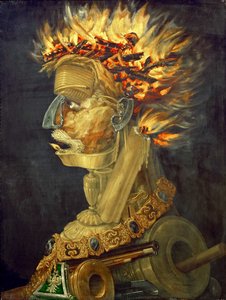
Giuseppe Arcimboldo’s “Summer,” painted in 1573, is not merely a portrait; it's an immersive allegory, a vibrant testament to the Renaissance fascination with nature, wealth, and the cyclical rhythms of life. This arresting image immediately captivates with its audacious composition: a figure, largely obscured by a dense profusion of fruits, vegetables, grains, and foliage, dominates the canvas. It’s a visual feast, a carefully constructed puzzle where each element—the blushing apples, the plump pears, the sturdy wheat stalks—contributes to a larger narrative of prosperity and fertility. The tight cropping, focusing intently on the upper torso and head, intensifies the impact, drawing the viewer into this extraordinary tableau.
Arcimboldo’s genius lies in his masterful manipulation of materials and technique. Executed in oil on wood panel, the painting showcases an astonishing level of detail. Lines delineate the contours of each fruit and vegetable with precision, while subtle shading and layering create a remarkable sense of texture – you can almost feel the rough skin of an onion or the yielding flesh of a peach. The lighting, emanating from a single, unseen source, casts delicate shadows that imbue the scene with depth and three-dimensionality, lending a tangible quality to this fantastical assemblage.
To understand “Summer,” one must consider the intellectual climate of 16th-century Italy. The Renaissance was a period of profound transformation, marked by a renewed interest in classical antiquity and a burgeoning spirit of humanism. Arcimboldo’s work reflects this shift, blending artistic skill with symbolic representation. The profusion of produce isn't simply decorative; it speaks to the importance of agriculture and harvest – vital elements of Renaissance society. The image directly aligns with the era’s preoccupation with themes of abundance, wealth, and the interconnectedness of humanity and nature. It’s a visual embodiment of the belief that earthly prosperity reflected divine favor.
Furthermore, Arcimboldo's work was often commissioned by powerful figures like Rudolf II, Holy Roman Emperor, who appreciated his ability to create complex allegories within seemingly simple portraits. The choice of fruits and vegetables held specific meanings – wheat symbolized fertility and abundance, grapes represented joy and celebration, while garlic signified protection and good health. The image functioned as a visual language, communicating ideas about power, status, and the natural order.
Beyond its historical context, “Summer” resonates with a powerful emotional depth. The obscured face of the figure creates an intriguing sense of mystery – who is this person? The overwhelming abundance can be interpreted as both celebratory and slightly unsettling, hinting at the potential excesses of wealth and power. The image evokes a feeling of being immersed in nature, surrounded by its bounty, yet simultaneously aware of the fleeting nature of beauty and the inevitability of decay.
Arcimboldo’s innovative approach to portraiture challenged conventional notions of representation, transforming the human form into an elaborate still life. “Summer” stands as a testament to his artistic vision—a captivating blend of realism, symbolism, and sheer visual inventiveness that continues to fascinate viewers centuries later. It's a work that invites contemplation, prompting us to consider the relationship between humanity, nature, and the enduring power of art.

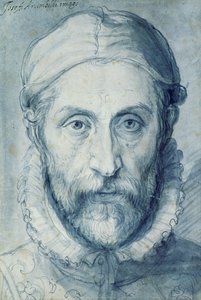
1527 - 1593

Explore the profound history and technical brilliance of oil on panel painting. From Renaissance masters to modern techniques, discover why this rigid support offers unparalleled precision and permanence for fine art lovers and collectors.


第一时间获取最新的艺术新闻、独家优惠及装饰灵感。
向我们介绍您的项目需求,我们的艺术专家将为您提供 3 个个性化的艺术品推荐。
由我们的专家为您精选 3 款心仪之作 —— 完全免费!


 效果预览
效果预览
 购买手绘画作
 分享
分享 分享
分享
 详情
详情

 下载
下载
 相似作品
相似作品 X射线
X射线 幻灯片播放
幻灯片播放 展开详情
展开详情









 玻璃选项仅适用于110厘米以下的尺寸。