


x
从与原作比例一致的预设尺寸中进行选择。

您可以输入自定义尺寸,以适配特定的画框或空间。如果您选择的尺寸与原图比例不符,我们将对作品进行裁剪,或通过镜像填充/纯色填充边缘的方式来扩展图像。在开始制作之前,我们会向您发送一份数字效果图供您确认。
请注意,屏幕上的预览并不能反映实际的裁剪或扩展效果。只有效果图才能准确展示最终的构图。
虽然我们提供定制尺寸,但为了保持原图比例,我们建议您从预设列表中选择尺寸。

Delight at Table
复制品尺寸
In the heart of the Vienna Secession movement, few works capture the tender intersection of intimacy and opulence quite like Gustav Klimt’s “Delight at Table.” Completed in 1906, this masterpiece serves as a luminous window into a world of idealized domesticity. The scene unfolds with a profound sense of peace, centering on a woman seated at a dining table, her focus entirely devoted to the gentle act of feeding her infant son. This maternal connection is framed by the presence of two men engaged in quiet conversation, creating a tableau that feels both monumental and deeply personal. For the discerning collector or interior designer, this painting offers more than mere decoration; it provides an emotional anchor, inviting a sense of warmth, stability, and timeless grace into any curated space.
The visual language of the piece is a breathtaking testament to Klimt’s mastery of the Art Nouveau aesthetic. Moving away from the rigid constraints of academic realism, Klimt embraced a revolutionary approach where organic forms and geometric patterns dance across the canvas. The painting is celebrated for its extraordinary use of texture and light, achieved through the painstaking process of granulation—the application of minute metallic particles to create a shimmering, ethereal effect. This technique allows the surface to catch the light, making the artwork appear as though it is radiating from within. Such intricate detail ensures that whether viewed in person or through a high-quality reproduction, the painting retains its captivating, multidimensional allure.
Beyond its surface beauty, “Delight at Table” is steeped in the symbolic richness characteristic of the turn-of-the-century Austro-Hungarian society. Every element, from the delicate floral motifs to the heavy use of gold leaf, speaks to themes of fertility, continuity, and the sanctity of the family unit. Klimt utilizes these decorative elements not merely as ornament, but as a way to elevate a simple meal into a sacred ritual. The interplay between the soft, human forms of the subjects and the rigid, glittering patterns of their surroundings creates a tension that is both sensual and spiritual, reflecting the Secessionist rebellion against the mundane and the pursuit of a higher, more aesthetic truth.
For those looking to infuse a room with historical depth and artistic prestige, this work stands as an unparalleled choice. It embodies a period of intense intellectual and artistic ferment, where the boundaries of modern art were being redrawn. To possess a reproduction of such a significant piece is to bring a fragment of Viennese history into the contemporary home—a piece that inspires contemplation, celebrates the beauty of human connection, and serves as a sophisticated focal point for any elegant interior design scheme.

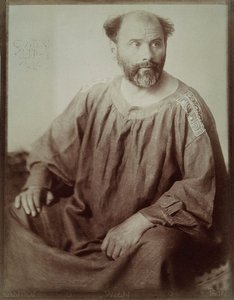
1862 - 1918 , 奥地利

Explore the profound impact of the Vienna Secession movement. Discover how visionaries like Gustav Klimt revolutionized modern art through symbolism, gold leaf, and the concept of Gesamtkunstwerk in this expert-led historical guide.

Explore the profound history of gold leaf and gilding in Byzantine and Renaissance art. Discover how this sacred technique transformed religious iconography into celestial phenomena through light, symbolism, and unparalleled craftsmanship.

Immerse yourself in the flowing elegance of Art Nouveau. Discover the stories behind 10 legendary masterpieces by icons like Klimt and Mucha. Perfect for art lovers seeking museum-quality reproductions and timeless decor inspiration. Explore the full collection online at Most-Famous-Paintings.com.


第一时间获取最新的艺术新闻、独家优惠及装饰灵感。
向我们介绍您的项目需求,我们的艺术专家将为您提供 3 个个性化的艺术品推荐。
由我们的专家为您精选 3 款心仪之作 —— 完全免费!


 购买手绘画作
 分享
分享 分享
分享
 详情
详情

 下载
下载
 相似作品
相似作品 幻灯片播放
幻灯片播放

 展开详情
展开详情






































 玻璃选项仅适用于110厘米以下的尺寸。


