


x





























从与原作比例一致的预设尺寸中进行选择。

您可以输入自定义尺寸,以适配特定的画框或空间。如果您选择的尺寸与原图比例不符,我们将对作品进行裁剪,或通过镜像填充/纯色填充边缘的方式来扩展图像。在开始制作之前,我们会向您发送一份数字效果图供您确认。
请注意,屏幕上的预览并不能反映实际的裁剪或扩展效果。只有效果图才能准确展示最终的构图。
虽然我们提供定制尺寸,但为了保持原图比例,我们建议您从预设列表中选择尺寸。

The Painter's Studio
复制品尺寸
Beyond its realistic portrayal, “The Painter’s Studio” operates as a complex allegory exploring themes of artistic freedom and social responsibility. The central figure—Courbet himself—is surrounded by symbols representing truth (the nude woman), innocence (the child), and contemplation. Notably, the inclusion of instruments like a guitar and dagger serves to denounce academic art's perceived rigidity and moral conservatism. The figures positioned around Courbet represent various facets of intellectual life and societal values.
Painted in 1855, “The Painter’s Studio” arrived at a pivotal moment in art history—immediately following the rejection of Courbet's submission for the Universal Exhibition. This snub fueled his determination to showcase his work independently, establishing the Pavilion of Realism and demonstrating that artistic excellence could exist outside the confines of official patronage. The painting solidified Courbet’s position as a champion of realism and profoundly impacted subsequent generations of artists.
Courbet's masterful depiction captures not only the visual details of the studio but also its atmosphere—a space brimming with intellectual curiosity and creative energy. The painting’s raw materiality and unflinching gaze invite viewers to confront uncomfortable truths about societal norms and artistic ambition. “The Painter’s Studio” remains a testament to Courbet’s unwavering conviction in portraying the world as he experienced it, securing his place as one of the most influential figures in modern art.


1819 - 1877 , 法国

Explore the revolutionary art of Gustave Courbet, pioneer of Realism. Discover his iconic paintings, social commentary, and lasting impact on 19th-century French art history. Expert analysis & insights.
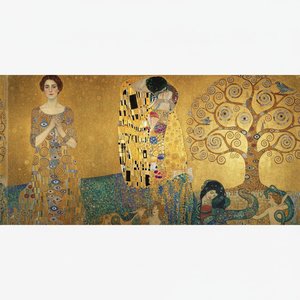
探索古斯塔夫·克林姆25幅传世名画,领略维也纳分离派的金色辉煌!深入了解每一件艺术品的创作故事与象征意义。Most-Famous-Paintings.com提供博物馆级高质量复制品,为您的家居带来艺术灵感。立即在线探索完整系列!

Explore 10 defining masterpieces of Romantic Realism! Discover Courbet, Millet & Daumier's powerful paintings—capturing emotion and social realities. Find museum-quality reproductions for your home at Most-Famous-Paintings.com.

探索现实主义艺术的巅峰!本文精选十幅定义了这场运动的杰作,从库尔贝到米勒,揭秘艺术家背后的故事与技法。寻找博物馆级复制品和室内设计灵感?Most-Famous-Paintings.com为您呈现经典绘画的完美演绎。在线探索全系列!

Explore 10 iconic realism artworks by Courbet, Millet & more! Discover the stories behind these masterpieces of 19th-century painting. Find museum-quality art reproductions and elevate your home decor with Most-Famous-Paintings.com.


第一时间获取最新的艺术新闻、独家优惠及装饰灵感。
向我们介绍您的项目需求,我们的艺术专家将为您提供 3 个个性化的艺术品推荐。
由我们的专家为您精选 3 款心仪之作 —— 完全免费!


 效果预览
效果预览
 购买手绘画作
 分享
分享 分享
分享
 详情
详情

 下载
下载
 相似作品
相似作品 X射线
X射线 幻灯片播放
幻灯片播放


 展开详情
展开详情









 玻璃选项仅适用于110厘米以下的尺寸。


