


x





























从与原作比例一致的预设尺寸中进行选择。

您可以输入自定义尺寸,以适配特定的画框或空间。如果您选择的尺寸与原图比例不符,我们将对作品进行裁剪,或通过镜像填充/纯色填充边缘的方式来扩展图像。在开始制作之前,我们会向您发送一份数字效果图供您确认。
请注意,屏幕上的预览并不能反映实际的裁剪或扩展效果。只有效果图才能准确展示最终的构图。
虽然我们提供定制尺寸,但为了保持原图比例,我们建议您从预设列表中选择尺寸。

Andromède
复制品尺寸
Gustave Moreau's "Andromède" is not merely a depiction of a biblical narrative; it’s an immersion into the richly layered, emotionally charged world of Symbolism. Painted in 1890, this work exemplifies Moreau’s profound engagement with mythology, religion, and the subconscious—themes that would define his career and establish him as one of the movement's most distinctive figures. The painting immediately arrests the viewer with its dramatic composition: a woman, Andromède, stands poised against a monstrous figure, locked in what appears to be a desperate struggle. This isn’t a straightforward retelling of the story of Andromeda chained to a rock; instead, Moreau transforms it into a potent allegory for conflict, desire, and the precarious balance between order and chaos.
Moreau's technical mastery is evident in the meticulous detail with which he renders his subjects. The palette is dominated by deep blues, purples, and ochres, creating a sense of melancholy and foreboding. These colors aren’t used to simply represent reality; they are imbued with symbolic weight, reflecting the emotional turmoil at the heart of the scene. Notice the heavy impasto – the thick application of paint – particularly in the textures of the monster's skin and the woman's garments. This technique adds a tactile quality to the work, inviting the viewer to almost feel the struggle unfolding before them. The composition itself is deliberately unbalanced, with the figures positioned off-center, contributing to the overall sense of unease and instability. Moreau’s use of pyramidal structure, a common device in academic art, is subverted here, creating a dynamic tension that draws the eye across the canvas.
The monstrous figure accompanying Andromède is not a literal demon but rather a projection of her inner demons—representing fear, temptation, or perhaps even the destructive forces within herself. The presence of two additional figures – one on either side – adds another layer of complexity to the narrative. Some scholars believe they represent opposing forces, while others interpret them as aspects of Andromède’s own psyche. Moreau frequently employed allegorical figures in his work, drawing inspiration from classical mythology and esoteric traditions. His goal was not to simply depict a story but to explore universal themes through symbolic imagery, tapping into the viewer's subconscious.
"Andromède" was created during a period of significant artistic innovation in Paris. Moreau’s work stood apart from the naturalism and realism that dominated the art world at the time. He aligned himself with other Symbolist artists, such as Odilon Redon and Pierre Puvis de Chavannes, who sought to create works that were both beautiful and deeply meaningful. Moreau's influence can be seen in subsequent generations of artists, including those associated with Art Nouveau and early Modernism. Today, "Andromède" remains a powerful example of Symbolist painting—a testament to Moreau’s ability to transform myth into a profound meditation on the human condition. Its evocative imagery continues to captivate viewers, inviting them to contemplate the timeless themes of struggle, sacrifice, and the enduring power of the imagination.
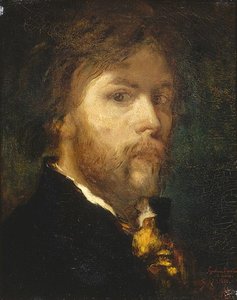
1826 - 1898 , 法国

Elevate your design projects with Most-Famous-Paintings's premium canvas prints and hand-painted reproductions. Discover affordable, museum-quality wall decor delivered worldwide, offering freelance decorators professional excellence, archival durability, and bespoke customization for every space.

Explore the evocative world of Symbolist painting. Discover how masters like Gustave Moreau rejected realism to capture dreams, myths, and the subconscious through fine art history and expert analysis.


第一时间获取最新的艺术新闻、独家优惠及装饰灵感。
向我们介绍您的项目需求,我们的艺术专家将为您提供 3 个个性化的艺术品推荐。
由我们的专家为您精选 3 款心仪之作 —— 完全免费!


 效果预览
效果预览
 购买手绘画作
 分享
分享 分享
分享
 详情
详情

 下载
下载
 相似作品
相似作品 X射线
X射线 幻灯片播放
幻灯片播放

 展开详情
展开详情









 玻璃选项仅适用于110厘米以下的尺寸。


