x





























从与原作比例一致的预设尺寸中进行选择。

您可以输入自定义尺寸,以适配特定的画框或空间。如果所选尺寸与原图比例不符,我们将通过裁剪作品或添加手绘元素来扩展画面。数字样稿将在制作开始前发送给您确认。
请注意,屏幕预览无法准确反映实际的裁剪或扩展效果,只有样稿才能真实呈现最终的构图。
虽然我们提供定制尺寸服务,但为了保留原作比例,建议您从预设列表中选择尺寸。

Dalila
复制品尺寸
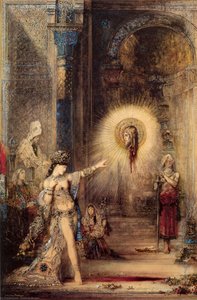
Gustave Moreau's "Dalila," painted circa 1890, isn't merely a portrait; it’s an immersion into the opulent, shadowed world of Symbolist fantasy. This captivating work, often considered a cornerstone of the movement, transcends simple representation to become a profound meditation on beauty, betrayal, and the potent allure of the femme fatale. Moreau, a key figure in Parisian art circles during the late 19th century, deliberately eschewed the naturalism favored by his contemporaries, instead constructing a meticulously detailed tableau that draws heavily from classical mythology – specifically, the tale of Samson and Delilah – yet feels utterly unique in its emotional resonance.
The painting depicts Dalila, not as a straightforward seductress, but as an enigmatic figure bathed in a hazy, almost dreamlike light. She sits poised on a chair within a richly furnished interior, her long hair cascading around her like liquid darkness. The room itself is a carefully constructed stage: a vase of flowers—likely lilies, symbolic of purity and deception – rests nearby, while potted plants hint at a hidden, untamed wilderness mirroring Dalila’s own complex nature. A glimpse of a bench in the background suggests a space for contemplation, perhaps even regret, adding layers to her enigmatic expression. Moreau's masterful use of color—deep reds, blues, and golds—creates an atmosphere of both sensuality and melancholy, reflecting the tragic narrative at its core.
Moreau’s Symbolist approach is immediately apparent in his deliberate blurring of reality and imagination. He wasn't interested in a literal depiction of Dalila; instead, he sought to evoke her essence through carefully chosen symbols. The setting itself—a luxurious interior juxtaposed with the suggestion of wildness—represents the conflict between domesticity and primal desire. The lilies, traditionally associated with innocence, are subtly corrupted by their placement near Dalila, hinting at the deception she embodies. Crucially, the painting is deeply rooted in the biblical story of Samson and Delilah, where Dalila’s cunning ultimately leads to Samson's downfall. However, Moreau departs from a straightforward narrative, focusing instead on the psychological drama unfolding within the scene – the tension between attraction and destruction, vulnerability and power.
The figure of Dalila herself is rendered with an almost sculptural quality. Her pose, reminiscent of classical statues, imbues her with an air of timeless beauty and tragic dignity. Moreau’s meticulous attention to detail—the folds of her dress, the texture of her hair, the subtle play of light on her skin—creates a sense of palpable presence. He employs a technique known as *contre-jour*, where the figure is partially illuminated from behind, further enhancing her ethereal quality and drawing the viewer’s eye to her face – an expression that simultaneously invites and repels.
Moreau's style is characterized by a rich, layered application of paint—a hallmark of his meticulous process. He built up the image through numerous glazes and scumbles, creating a surface texture that is both luminous and deeply complex. His brushwork is often loose and expressive, particularly in the rendering of fabrics and hair, contributing to the painting’s dreamlike quality. Notably, Moreau was heavily influenced by Italian Renaissance art, particularly the works of Botticelli and Raphael, as well as Byzantine iconography. This influence can be seen in his use of rich color palettes, idealized forms, and a penchant for depicting mythological subjects with an air of solemn grandeur.
Furthermore, Moreau’s work reflects the broader Symbolist movement's fascination with psychology, dreams, and the subconscious. He sought to capture not just what he *saw*, but what he *felt* – the hidden emotions and desires that lie beneath the surface of reality. “Dalila” exemplifies this approach, offering a glimpse into the complex psyche of a woman caught between temptation and despair.
Most-Famous-Paintings is proud to offer meticulously hand-painted reproductions of Gustave Moreau’s "Dalila," capturing the artist's unique vision with unparalleled detail and fidelity. Whether you are an art collector, interior designer seeking a touch of timeless elegance, or simply an admirer of Symbolist beauty, this reproduction provides a stunning way to experience one of the 19th century’s most captivating works. The rich colors and intricate details will transform any space, while the painting's evocative narrative continues to resonate with viewers today. Explore our high-resolution options and bring the dreamlike world of Gustave Moreau into your home.

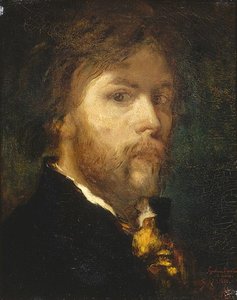
1826 - 1898 , 法国

Explore the profound artistry of black and white photography. From the chemistry of gelatin silver to the chiaroscuro of the Old Masters, discover how monochrome captures the eternal essence of light, form, and emotion for the discerning art collector.


第一时间获取最新的艺术新闻、独家优惠及装饰灵感。
向我们介绍您的项目需求,我们的艺术专家将为您提供 3 个个性化的艺术品推荐。
由我们的专家为您精选 3 款心仪之作 —— 完全免费!


 效果预览
效果预览
 购买印刷品
购买印刷品 分享
分享 分享
分享
 详情
详情

 下载
下载
 相似作品
相似作品 X射线
X射线 幻灯片播放
幻灯片播放
 展开详情
展开详情









 玻璃选项仅适用于110厘米以下的尺寸。