x





























从与原作比例一致的预设尺寸中进行选择。

您可以输入自定义尺寸,以适配特定的画框或空间。如果您选择的尺寸与原图比例不符,我们将对作品进行裁剪,或通过镜像填充/纯色填充边缘的方式来扩展图像。在开始制作之前,我们会向您发送一份数字效果图供您确认。
请注意,屏幕上的预览并不能反映实际的裁剪或扩展效果。只有效果图才能准确展示最终的构图。
虽然我们提供定制尺寸,但为了保持原图比例,我们建议您从预设列表中选择尺寸。

Orphée sur la tombe d'Eurydice
复制品尺寸
Gustave Moreau’s Orphée sur la tombe d'Eurydice, painted in 1891, is not merely a depiction of the tragic myth; it’s an immersive journey into the heart of Symbolist emotion. This arresting canvas immediately draws the viewer into a world saturated with dreamlike atmosphere and profound psychological depth – a hallmark of Moreau’s distinctive artistic vision. The central figure of Orpheus, rendered in meticulous detail, stands before the tomb of Eurydice, his outstretched arms suggesting both desperate longing and futile effort. He is not a heroic figure of classical mythology, but rather a deeply vulnerable soul grappling with loss and the impossible task of reclaiming what has been irrevocably lost.
Moreau's technique is characterized by its painstaking detail and rich, jewel-toned palette. He employed a layering method, building up translucent glazes to achieve the luminous effects that define his style. The use of gold leaf—a signature element in his work—adds an almost otherworldly quality to the scene, elevating the figures and their surroundings into realms of fantasy and spiritual significance. Note the meticulous rendering of fabric, skin tones, and the intricate details of the surrounding foliage – a testament to Moreau’s dedication to capturing not just form but also texture and atmosphere. The clock on the wall serves as a stark reminder of time's relentless passage, further emphasizing the poignant nature of Orpheus's plight.
The painting is laden with symbolic meaning, reflecting the core tenets of Symbolist art. The tree surrounding Orpheus represents both life and death, growth and decay – a potent symbol of the cyclical nature of existence. The distant figure in the background, often interpreted as Eurydice herself, adds another layer of complexity to the scene, perhaps representing memory or the unattainable ideal. Moreau’s deliberate use of muted colors and hazy forms contributes to the painting's dreamlike quality, inviting viewers to interpret the work through their own emotional lens. The overall composition evokes a sense of melancholy and introspection, prompting contemplation on themes of loss, regret, and the enduring power of love.
Painted in 1891, *Orphée sur la tombe d'Eurydice* reflects the broader cultural anxieties and intellectual currents of the late 19th century. The Symbolist movement emerged as a reaction against the perceived materialism and rationalism of the Industrial Age, seeking instead to explore the realms of spirituality, emotion, and the subconscious. Moreau’s work aligns with this trend, offering a deeply personal and symbolic interpretation of classical mythology – a testament to his belief that art could serve as a conduit for profound emotional and spiritual experience. This painting stands as a powerful example of Moreau's ability to transform ancient myths into timeless expressions of human longing.
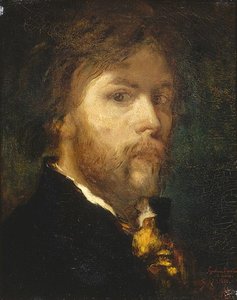
1826 - 1898 , 法国

Elevate your design projects with Most-Famous-Paintings's premium canvas prints and hand-painted reproductions. Discover affordable, museum-quality wall decor delivered worldwide, offering freelance decorators professional excellence, archival durability, and bespoke customization for every space.


第一时间获取最新的艺术新闻、独家优惠及装饰灵感。
向我们介绍您的项目需求,我们的艺术专家将为您提供 3 个个性化的艺术品推荐。
由我们的专家为您精选 3 款心仪之作 —— 完全免费!


 效果预览
效果预览
 购买手绘画作
 分享
分享 分享
分享
 详情
详情

 下载
下载
 相似作品
相似作品 X射线
X射线 幻灯片播放
幻灯片播放

 展开详情
展开详情









 玻璃选项仅适用于110厘米以下的尺寸。