x





























从与原作比例一致的预设尺寸中进行选择。

您可以输入自定义尺寸,以适配特定的画框或空间。如果所选尺寸与原图比例不符,我们将通过裁剪作品或添加手绘元素来扩展画面。数字样稿将在制作开始前发送给您确认。
请注意,屏幕预览无法准确反映实际的裁剪或扩展效果,只有样稿才能真实呈现最终的构图。
虽然我们提供定制尺寸服务,但为了保留原作比例,建议您从预设列表中选择尺寸。

Phoebus and Boreas
复制品尺寸
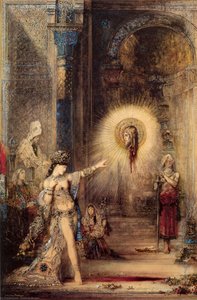
Gustave Moreau's "Phoebus and Boreas," painted in 1879, is not merely a depiction of a scene; it’s an immersion into the turbulent heart of myth and emotion. This watercolor, a cornerstone of Symbolist art, immediately captivates with its dreamlike quality and unsettling beauty. The painting portrays a dramatic confrontation between Phoebus, the Greek god of the sun, and Boreas, the North Wind – a struggle rendered through a tableau of figures, horses, and dogs that feels both intensely personal and profoundly symbolic. Moreau’s masterful use of color and texture creates an atmosphere thick with tension and foreboding, inviting the viewer to contemplate themes of opposing forces, passion versus coldness, and the eternal battle between light and darkness.
Moreau was a pivotal figure in the rise of Symbolism, a movement that rejected the objective realism championed by earlier artistic movements. Instead, Symbolists sought to express inner states of mind, spiritual truths, and fantastical narratives through evocative imagery and rich symbolism. In “Phoebus and Boreas,” the figures themselves are laden with meaning. The woman riding the horse represents vitality, passion, and perhaps even a fleeting moment of triumph – Phoebus’s domain. Conversely, the imposing presence of Boreas, depicted as a powerful, almost monstrous figure, embodies coldness, destruction, and the relentless force of nature. The dogs, strategically placed on either side, could be interpreted as guardians or heralds, adding to the sense of impending conflict. The inclusion of the solitary observer further emphasizes the theme of witnessing and judgment – are they a participant or simply an audience to this cosmic struggle?
Moreau’s technique is characterized by meticulous detail and a deliberate layering of color, achieved through multiple washes of watercolor. He employed a rich, jewel-toned palette – deep blues, purples, and golds dominate the composition – to heighten the painting's emotional impact. Notice how he builds up texture through subtle variations in brushstrokes, creating a sense of depth and movement that draws the viewer into the scene. The use of glazing techniques allows light to penetrate the layers of paint, producing an ethereal glow that contributes significantly to the work’s dreamlike quality. This careful attention to detail is characteristic of Moreau's approach, reflecting his desire to create not just a representation but a fully realized symbolic world.
"Phoebus and Boreas" was created during a period of significant artistic and intellectual ferment in Paris. The Symbolist movement emerged as a reaction against the perceived materialism and superficiality of contemporary society, seeking instead to explore deeper spiritual and psychological truths. Moreau’s work aligns with this broader trend, reflecting a fascination with mythology, folklore, and the occult – themes that were increasingly prevalent in late 19th-century art and literature. Moreau's influence extended beyond Symbolism, impacting subsequent generations of artists who sought to explore the power of symbolism and subjective experience in their work. Today, “Phoebus and Boreas” remains a powerful example of Symbolist painting, admired for its evocative imagery, technical mastery, and profound emotional resonance.
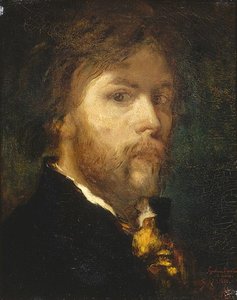
1826 - 1898 , 法国

Explore the profound history and technical mastery of watercolor painting. From medieval manuscripts to the luminous works of John Singer Sargent, discover how artists capture light and transparency through this delicate, enduring medium.


第一时间获取最新的艺术新闻、独家优惠及装饰灵感。
向我们介绍您的项目需求,我们的艺术专家将为您提供 3 个个性化的艺术品推荐。
由我们的专家为您精选 3 款心仪之作 —— 完全免费!


 效果预览
效果预览
 购买印刷品
购买印刷品 分享
分享 分享
分享
 详情
详情

 下载
下载
 相似作品
相似作品 X射线
X射线 幻灯片播放
幻灯片播放

 展开详情
展开详情









 玻璃选项仅适用于110厘米以下的尺寸。