x
 Acrylic On CanvasWallArtContemporary Realism
 19th Century
 26.0 x 33.0 cm
 荣誉军团博物馆




























从与原作比例一致的预设尺寸中进行选择。

您可以输入自定义尺寸,以适配特定的画框或空间。如果您选择的尺寸与原图比例不符,我们将对作品进行裁剪,或通过镜像填充/纯色填充边缘的方式来扩展图像。在开始制作之前,我们会向您发送一份数字效果图供您确认。
请注意,屏幕上的预览并不能反映实际的裁剪或扩展效果。只有效果图才能准确展示最终的构图。
虽然我们提供定制尺寸,但为了保持原图比例,我们建议您从预设列表中选择尺寸。

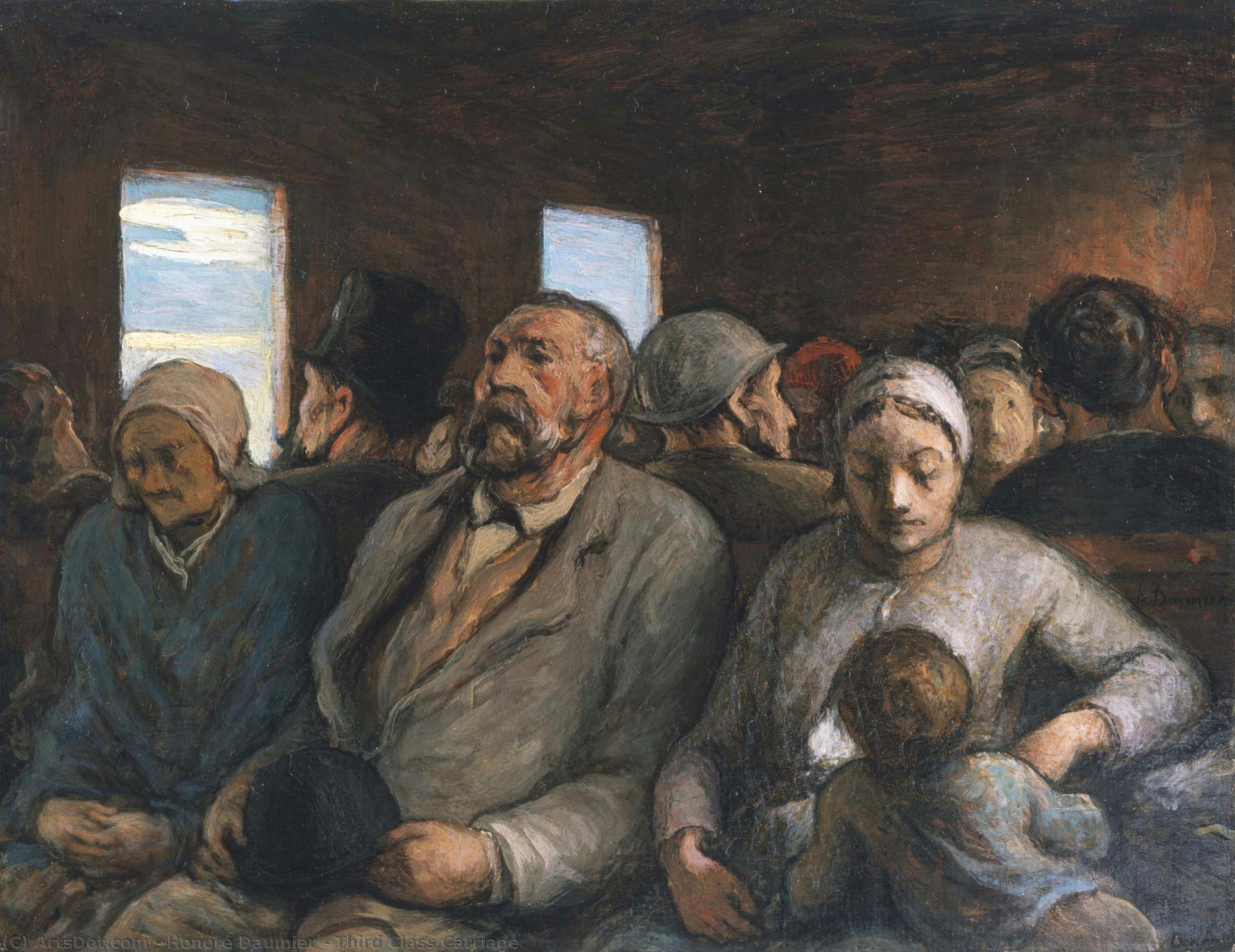
Third Class Carriage
复制品尺寸
Honoring the legacy of Honoré Daumier, this meticulously crafted hand-painted reproduction captures a quintessential moment in French history – a snapshot of everyday life aboard a third-class train carriage. Painted with an astute eye for detail and imbued with the social commentary that defined Daumier’s oeuvre, “Third Class Carriage” offers more than just a visual representation; it's a poignant glimpse into the lives and experiences of ordinary people navigating the burgeoning industrial landscape of 19th-century France. The scene unfolds within a tightly composed black and white image, dominated by the utilitarian space of the train car itself – benches stretching across the frame, occupied by thirteen individuals engaged in quiet contemplation or absorbed in their pursuits.
The composition itself is rich in symbolic potential. The close proximity of the passengers suggests both intimacy and constraint – a reflection of the realities of shared space and circumstance. The men in ties, representing various professions and social strata, underscore the diverse nature of the traveling public. Daumier’s deliberate choice to depict this seemingly mundane scene elevates it to a powerful statement about human connection, social inequality, and the transformative power of travel. It invites viewers to consider the stories behind each face, prompting reflection on themes of class, identity, and the shared human experience.
This hand-painted reproduction of “Third Class Carriage” by Honoré Daumier is more than just a beautiful artwork; it’s an investment in art history. Printed on high-quality archival paper with meticulous attention to detail, this piece will bring a touch of Daumier's genius into your home or office. Its size (26 x 33 cm) makes it ideal for a variety of settings – from a small study to a larger living room. Perfect for interior designers seeking to evoke the spirit of 19th-century France, or art collectors drawn to Daumier’s powerful social commentary and masterful technique, this reproduction offers an unparalleled opportunity to own a piece of artistic history.


1808 - 1879 , 法国

Explore the life & work of Honoré Daumier, a master of 19th-century French realism and satire. Discover his powerful lithographs, paintings, and sculptures critiquing society – and his lasting influence on modern art.

Explore the powerful world of Social Realism art! Discover key artists, masterpieces & its profound social commentary. Expert insights into this influential movement's history and enduring legacy.

Explore the powerful history of social commentary in art! Discover key artists like Hogarth & Daumier, movements from Realism to American Social Realism, and how art reflects—and challenges—society. Expert insights at Most-Famous-Paintings.
Explore 10 defining masterpieces of Romantic Realism! Discover Courbet, Millet & Daumier's powerful paintings—capturing emotion and social realities. Find museum-quality reproductions for your home at Most-Famous-Paintings.com.

Explore the captivating world of 19th-century Realism! Discover key artists like Courbet & Millet, masterpieces, and the powerful social commentary behind this influential art movement. Expert insights at Most-Famous-Paintings.


第一时间获取最新的艺术新闻、独家优惠及装饰灵感。
向我们介绍您的项目需求,我们的艺术专家将为您提供 3 个个性化的艺术品推荐。
由我们的专家为您精选 3 款心仪之作 —— 完全免费!


 Preview
 定制手绘复刻品
 分享
分享 分享
分享
 详情
详情

 下载
下载
 相似作品
相似作品 X射线
X射线 幻灯片播放
幻灯片播放 展开详情
展开详情









 玻璃选项仅适用于110厘米以下的尺寸。