


x





























从与原作比例一致的预设尺寸中进行选择。

您可以输入自定义尺寸,以适配特定的画框或空间。如果所选尺寸与原图比例不符,我们将通过裁剪作品或添加手绘元素来扩展画面。数字样稿将在制作开始前发送给您确认。
请注意,屏幕预览无法准确反映实际的裁剪或扩展效果,只有样稿才能真实呈现最终的构图。
虽然我们提供定制尺寸服务,但为了保留原作比例,建议您从预设列表中选择尺寸。

Roman Ruins
复制品尺寸
Hubert Robert (1733 – 1808), a Parisian painter whose career spanned the turbulent decades preceding and during the French Revolution, stands as an emblem of Romanticism's fascination with ruins—not merely as physical remnants of grandeur past but as symbols of time’s relentless march and the sublime power of nature. His artwork transcends mere representation; it strives to evoke emotion and contemplation, capturing a fleeting moment of ethereal beauty amidst crumbling stone.
Robert's canvases frequently depict landscapes dominated by ruined villas and temples—sites once celebrated for their opulent splendor now overgrown with vegetation and imbued with an air of melancholy. These scenes aren’t haphazard assemblages of stones; they are carefully constructed compositions designed to convey a profound sense of atmosphere. Consider “Roman Ruins,” where a majestic archway frames a vista of crumbling walls, verdant foliage, and figures engaged in quiet contemplation. This juxtaposition—the monumental architecture against the tranquil wilderness—immediately establishes a dialogue between history and nature.
Robert’s artistic approach aligns perfectly with the Romantic capriccio style – a genre characterized by spontaneous landscapes infused with imaginative elements. Unlike Neoclassical paintings that prioritized rational order and idealized forms, Robert embraced irregularity and emotion. He skillfully blended observation with fantasy, creating scenes that felt both grounded in reality and transcendentally beautiful. The artist’s loose brushwork—visible paint strokes—contribute to the overall impression of dynamism and immediacy.
Robert employed oil paints on canvas as his medium, allowing him to achieve remarkable tonal range and textural depth. He meticulously rendered light and shadow, capturing the subtle nuances of sunlight filtering through foliage—a technique that exemplifies Romanticism’s preoccupation with sensory experience. The artist's attention to detail is evident in the depiction of crumbling stone surfaces, moss-covered walls, and individual leaves, creating a palpable sense of realism alongside an overarching feeling of grandeur.
"Roman Ruins" speaks volumes about Romantic ideals. The decaying edifice represents not just physical deterioration but also the inevitable passage of time—a reminder that even the most magnificent creations are ultimately vulnerable to oblivion. Yet, amidst this decay flourishes life—represented by abundant vegetation and human figures—suggesting themes of regeneration and resilience. Robert’s paintings tap into the sublime – a feeling of awe inspired by confronting overwhelming beauty or terror—provoking contemplation on humanity's place within the vastness of nature and history.
Ultimately, Hubert Robert’s “Roman Ruins” achieves its emotional resonance through a masterful blend of visual elements. The warm color palette – ochres, browns, golds – evokes antiquity and warmth, while the dramatic lighting illuminates the central archway and casts shadows within the ruins. The composition draws the viewer inward, fostering a sense of intimacy with the scene and encouraging reflection on its profound symbolism. It’s a painting that lingers in the memory long after viewing—a testament to Robert's ability to transform observation into evocative art.


1733 - 1808 , 法国

Explore the captivating world of Hubert Robert, master of Romantic landscape painting & 'capriccio' ruins. Discover his historical context, artistic innovations, and collecting insights with Most-Famous-Paintings.

探索浪漫主义风景画的巅峰!本文精选十部经典名作,带您领略莫奈、库尔贝等大师的艺术魅力。感受色彩与光影的诗意,重温自然风光的震撼。Most-Famous-Paintings.com为您提供博物馆级别的艺术复制品和个性化家居装饰方案。尽在Most-Famous-Paintings.com!

探索浪漫主义风景画的深刻内涵,深入了解卡斯帕·大卫·弗里德里希等大师的作品。Most-Famous-Paintings提供精美复制品、定制服务及专业艺术咨询,助您收藏经典,打造专属艺术空间。
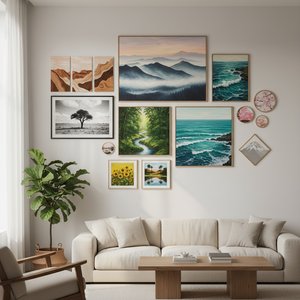
Journey through 10 breathtaking landscape paintings by Monet, Van Gogh & more! Explore iconic artworks, artistic techniques & find inspiration for your home decor. Museum-quality reproductions at Most-Famous-Paintings.com. Discover all masterpieces on Most-Famous-Paintings.com

Explore the emotional depth of Romantic landscape painting (18th-19th century). Discover key artists like Friedrich & Cole, and the concepts of the sublime. Expert insights for art lovers & collectors.


第一时间获取最新的艺术新闻、独家优惠及装饰灵感。
向我们介绍您的项目需求,我们的艺术专家将为您提供 3 个个性化的艺术品推荐。
由我们的专家为您精选 3 款心仪之作 —— 完全免费!


 效果预览
效果预览
 购买印刷品
购买印刷品 分享
分享 分享
分享
 详情
详情

 下载
下载
 相似作品
相似作品 X射线
X射线 幻灯片播放
幻灯片播放


 展开详情
展开详情









 玻璃选项仅适用于110厘米以下的尺寸。


