


x
 Oil On CanvasWallArtNorthern Renaissance
 1570
1570 158.0 x 215.0 cm
 国家美术馆
国家美术馆




























从与原作比例一致的预设尺寸中进行选择。

您可以输入自定义尺寸,以适配特定的画框或空间。如果您选择的尺寸与原图比例不符,我们将对作品进行裁剪,或通过镜像填充/纯色填充边缘的方式来扩展图像。在开始制作之前,我们会向您发送一份数字效果图供您确认。
请注意,屏幕上的预览并不能反映实际的裁剪或扩展效果。只有效果图才能准确展示最终的构图。
虽然我们提供定制尺寸,但为了保持原图比例,我们建议您从预设列表中选择尺寸。

The Four Elements: Fire
复制品尺寸
Joachim Beuckelaer's "The Four Elements: Fire" isn’t merely a depiction of a bustling 16th-century kitchen; it’s a carefully constructed tableau, a microcosm of daily life imbued with subtle symbolism and a burgeoning artistic ambition. Born in Antwerp around 1533, Beuckelaer emerged from the vibrant artistic milieu of his family – his father, Mattheus Beuckeleer, and uncle, Pieter Aertsen – to become a master of scenes that elevated the commonplace to an extraordinary level. Unlike earlier depictions of domesticity, which often prioritized religious narrative, Beuckelaer’s kitchen scenes, and indeed this particular “Fire,” began to shift the focus towards observing and celebrating the tangible realities of existence itself. This wasn't simply painting what he saw; it was a deliberate act of elevation, laying crucial groundwork for the eventual development of still life as an independent genre within art history.
The painting immediately draws the eye with its astonishing detail – twelve figures are present, engaged in a symphony of activity: cooking, eating, preparing ingredients. Bowls overflow with produce, knives gleam on tables, and the presence of an oven and sink anchors the scene to the practicalities of daily life. However, it’s not just the abundance that captivates; it's the arrangement, the carefully considered placement of objects, and the subtle interplay of light and shadow that create a sense of palpable realism. Beuckelaer’s skill lies in his ability to render textures – the rough grain of wood, the sheen of polished metal, the plumpness of fruit – with an almost photographic precision.
“Fire” is one of a set of four paintings exploring the classical elements—Earth, Water, Air, and Fire—and Beuckelaer masterfully integrates these themes into his everyday subject matter. The title itself immediately establishes this elemental framework. Beyond the immediate depiction of a kitchen scene, the painting operates as a complex allegory. The central focus – the preparation of food over an open fire – is inherently linked to the element of Fire, but Beuckelaer doesn’t stop there. Look closely, and you'll notice subtle references to the other elements woven throughout the composition. The abundance of fruits and vegetables speaks to Earth, while the presence of water (in the sink and implied in the cooking process) represents Water. Even the figures themselves contribute to the overall narrative – their actions and gestures subtly reinforce the elemental themes.
Crucially, Beuckelaer doesn’t simply depict these elements; he juxtaposes them with a dramatic backdrop: a meticulously constructed architectural scene featuring Christ, Martha, and Mary in the House of Bethany. This pairing is not arbitrary. It represents a deliberate contrast between the earthly pleasures of the senses – represented by the kitchen scene—and the spiritual realm. The inclusion of biblical figures serves as a moral compass, reminding viewers to temper their desires with faith and virtue. The arrangement of objects within the kitchen itself can be interpreted as a symbolic representation of temptation and restraint.
What truly distinguishes “The Four Elements: Fire” is Beuckelaer’s innovative use of perspective and illusionistic techniques. The scene feels remarkably three-dimensional, despite being painted on a relatively flat wooden panel. He employs multiple vanishing points to create the impression of depth and space, drawing the viewer into the heart of the kitchen. This masterful manipulation of perspective was groundbreaking for its time, pushing the boundaries of realism in Northern European painting. The sheer number of objects depicted – bowls, utensils, foodstuffs—further enhances this illusionistic effect, creating a sense of overwhelming abundance that is both captivating and slightly disorienting.
Furthermore, Beuckelaer’s attention to detail extends beyond mere representation; he imbues his figures with a remarkable degree of personality. Each individual seems engaged in their own activity, contributing to the overall dynamism of the scene. This level of realism was unprecedented for its time and demonstrates Beuckelaer's exceptional skill as an artist.
“The Four Elements: Fire” is more than just a painting; it’s a snapshot of a rapidly changing world. As the Renaissance progressed, artists began to move away from solely religious subjects and towards depicting scenes of everyday life with increasing realism and attention to detail. Beuckelaer's work stands as a pivotal moment in this transition, marking a shift towards a more secular and humanistic approach to art. Reproductions of this captivating piece offer a unique glimpse into the domestic life of 16th-century Antwerp, while simultaneously revealing the burgeoning artistic ambition that would ultimately shape the course of Western art history. It’s a testament to Beuckelaer's ability to transform the mundane into the magnificent.


1533 - 1573 , 比利时

Explore the rich history of still life painting with Most-Famous-Paintings. Discover Dutch Masters, decode vanitas symbolism & learn about collecting timeless art. Expert insights and museum-quality reproductions.

Explore the rich history & symbolism of still life painting with Most-Famous-Paintings. Discover masterpieces from the Dutch Golden Age, learn about vanitas art, and find expert guidance for collecting timeless artworks.
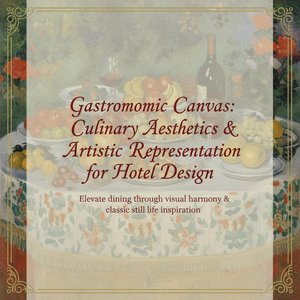
Explore the captivating intersection of culinary arts & artistic representation for hotel design. Discover techniques to elevate dining experiences through visual harmony, composition, and inspiration from classic still life painting.

Explore the profound world of Clyfford Still's Abstract Expressionism with Most-Famous-Paintings. Discover his unique style, existential themes & investment potential. Expert analysis for discerning collectors.

Explore the captivating world of Dutch Golden Age still life with Abraham van Beyeren. Discover his innovative techniques, symbolic banquet scenes & lasting influence on art history. Learn about collecting these masterpieces.


第一时间获取最新的艺术新闻、独家优惠及装饰灵感。
向我们介绍您的项目需求,我们的艺术专家将为您提供 3 个个性化的艺术品推荐。
由我们的专家为您精选 3 款心仪之作 —— 完全免费!


 效果预览
效果预览
 购买手绘画作
 分享
分享 分享
分享
 详情
详情

 下载
下载
 相似作品
相似作品 X射线
X射线 幻灯片播放
幻灯片播放 展开详情
展开详情









 玻璃选项仅适用于110厘米以下的尺寸。


