


x
 Oil On PanelWallArtEarly Netherlandish Painting
 1525Renaissance
 86.0 x 80.0 cm
 大都会艺术博物馆




























从与原作比例一致的预设尺寸中进行选择。

您可以输入自定义尺寸,以适配特定的画框或空间。如果您选择的尺寸与原图比例不符,我们将对作品进行裁剪,或通过镜像填充/纯色填充边缘的方式来扩展图像。在开始制作之前,我们会向您发送一份数字效果图供您确认。
请注意,屏幕上的预览并不能反映实际的裁剪或扩展效果。只有效果图才能准确展示最终的构图。
虽然我们提供定制尺寸,但为了保持原图比例,我们建议您从预设列表中选择尺寸。

The Annunciation
复制品尺寸
In the quiet, sun-drenched corners of a sixteenth-century Flemish interior, a profound miracle unfolds. Joos van Cleve’s The Annunciation, completed around 1525, is far more than a mere depiction of a biblical event; it is a breathtaking dialogue between the earthly and the divine. As the Archangel Gabriel descends to deliver God's message to the Virgin Mary, the viewer is invited into a space where time seems to suspend itself. The painting captures that precise, breathless moment of transition—the instant when prophecy meets fulfillment. Through his masterful command of light and shadow, van Cleve transforms a domestic setting into a sacred stage, making the spiritual palpable to anyone who gazes upon its surface.
The composition is a masterclass in the High Renaissance synthesis of Northern detail and Italian grace. While the meticulous textures of the room—the heavy drapery, the polished surfaces, and the delicate objects—speak to the rich traditions of Netherlandish realism, there is an unmistakable air of Mediterranean elegance flowing through the figures. Gabriel and Mary are portrayed with a poised, rhythmic movement; a subtle ripple in their garments suggests a spiritual energy vibrating through the very air. This balance of tactile reality and idealized beauty makes the piece an extraordinary specimen of the Antwerp school, offering a visual richness that appeals to both the scholarly eye and the aesthetic soul.
Every element within this exquisitely furnished room serves as a silent narrator, whispering secrets of divine providence. Van Cleve utilizes the opulent surroundings not merely for decoration, but to deepen the theological narrative. The prominent altarpiece, adorned with Old Testament prophets, acts as a visual bridge, reminding the faithful that the arrival of Christ was long foretold. Even the seemingly mundane objects—the placement of a cup or the arrangement of furniture—are imbued with layers of meaning, reflecting the Renaissance belief that the divine is present within the everyday. This careful layering of imagery ensures that the painting remains a profound meditative tool, rewarding repeated viewings with new layers of insight.
For the collector or the interior designer, this artwork offers an unparalleled emotional depth. It possesses the rare ability to anchor a room with its sense of reverence and stillness, yet it provides enough visual complexity to stimulate conversation and contemplation. Whether placed in a grand gallery or a private study, The Annunciation brings with it an atmosphere of peace and intellectual sophistication. To possess a reproduction of this masterpiece is to invite a piece of history into one's home—a piece that celebrates the enduring power of faith, the beauty of human craftsmanship, and the eternal dance between the seen and the unseen.

在十六世纪安特卫普那繁忙且充满商业气息的心脏地带,一场视觉叙事的新纪元正随着约斯·范·克莱夫的画笔缓缓展开。这位佛兰德文艺复兴时期的艺术大师约出生于1485年左右的德国克雷费尔德,他不仅是一位技艺精湛的画家,更是一位连接两个世界的远见卓识者。他的艺术生涯从1511年左右开始繁荣,一直延续至1540年逝世,这在艺术史上代表了一个深刻的转折点:尼德兰大师们那细致入微、追求极致细节的传统,与意大利文艺复兴时期涌现出的宏大且富有氛围感的创新精神在此交汇。凝视范·克莱夫的作品,仿佛是在见证一场北欧触手可及的写实主义与南欧理想化优雅之间的细腻舞步。
他的天才根基奠定于他在扬·约斯特指导下的早年岁月。这段严苛的学徒生涯带给他的远不止技术上的精进,更让他沉浸在晚期哥特式艺术那庄严宏伟的传统之中。他早期最重要的经历之一是协助约斯特完成卡尔卡尔尼教堂高祭坛的创作,这一项目要求艺术家必须深刻理解宏大尺度与精神厚重感。通过这项工作,范·克莱夫掌握了颜料调配中复杂的炼金术以及极其考究的色层叠加技法——正是这些技术,使他日后能够赋予肖像画一种栩栩如生的光泽,并为宗教场景注入一种触手可及的神圣感。
真正让约斯·范·克莱夫在同时代艺术家中脱颖而出的,是他那永不满足、勇于实验的精神。当那个时代的许多艺术家仍受困于当地行会僵化的风格教条时,范·克丽夫却将目光投向了远方的地平线。他成为了佛兰德风格主义的先驱,这种风格以对色彩非凡的敏感度以及构图中人物之间卓越的统一感为特征。或许他对北方文艺复兴最持久的贡献在于对风景画的革命性运用。他不再使用静态或象征性的背景,而是引入了开阔且富有氛围感的远景,为画中人物注入了生命力,在人类个体与自然世界之间创造出一种深度与连续感。
这种风格的演变深受意大利新兴艺术潮流的影响。通过融合意式透视法的元素以及更具流动性、韵律感的解剖学处理方式,他将传统的佛兰德肖像画转化为了某种在心理层面更为复杂的表达。他的画中人物不再仅仅是地位的象征;他们拥有了内在的精神世界和情感共鸣,邀请观者进入一场无声的对话。这种通过细微的面部表情和优雅的手势来传达深邃人类情感的能力,至今仍是他最受赞誉的成就之一。
约斯·范·克莱夫的遗产已深深铭刻在安特卫普黄金时代的肌理之中。作为这座城市艺术共同体的核心人物,他的工作室成为了创新的灯塔,影响了后世一代又一代的画家。他通过完美融合以下元素,确保了其在欧洲艺术史上留下了持久的影响:
尽管他的生命止于1540年,但他艺术创作的回响仍在持续震荡。约斯·范·克莱夫并非仅仅追随时代的潮流,他参与了潮流的定义,留下了一系列足以证明艺术融合之变革力量的作品。他的画作至今仍是通往那个巨大文化转型时期的永恒窗口,捕捉到了中世纪世界开始消融在现代文明曙光中的那一瞬间。

1485 - 1540 , 德国

Journey into the world of Early Netherlandish painting! Explore 10 masterpieces by Jan van Eyck, Rogier van der Weyden & more. Discover stunning detail, symbolism & Renaissance art for your home decor. Find museum-quality reproductions on Most-Famous-Paintings.com
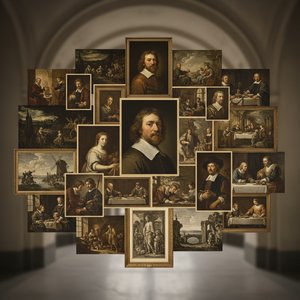
探索伦勃朗25幅杰作,领略荷兰黄金时代光影大师的艺术传奇!从《夜巡》到自画像,深入了解巴洛克艺术、历史绘画与人物肖像背后的故事。Most-Famous-Paintings.com提供高清艺术复制品及家居装饰灵感。立即探索完整系列!

Journey into the Early Netherlandish Renaissance! Explore 10 iconic paintings by Jan van Eyck, Rogier van der Weyden & more. Discover stunning detail, symbolism, and oil painting techniques. Find museum-quality art reproductions for your home at Most-Famous-Paintings.com.

Explore the revolutionary art of Hugo van der Goes – a master of Early Netherlandish painting renowned for his dramatic realism, psychological depth & profound influence on Renaissance artists. Discover his iconic works and lasting legacy.

Explore the revolutionary art of Jan van Eyck! Discover his groundbreaking oil painting techniques, hidden symbolism, and lasting impact on the Early Netherlandish Renaissance. A deep dive for art enthusiasts.


第一时间获取最新的艺术新闻、独家优惠及装饰灵感。
向我们介绍您的项目需求,我们的艺术专家将为您提供 3 个个性化的艺术品推荐。
由我们的专家为您精选 3 款心仪之作 —— 完全免费!


 效果预览
效果预览
 购买手绘画作
 分享
分享 分享
分享
 详情
详情

 下载
下载
 相似作品
相似作品 X射线
X射线 幻灯片播放
幻灯片播放 展开详情
展开详情









 玻璃选项仅适用于110厘米以下的尺寸。


