入驻售卖艺术品
愿望清单 购物车 Cart
效果预览效果预览 AR 预览AR 预览 购买手绘画作 购买手绘画作购买图片 购买图片 分享分享
详情详情 加入收藏 加入收藏 下载下载 相似作品相似作品 X射线X射线 幻灯片播放幻灯片播放

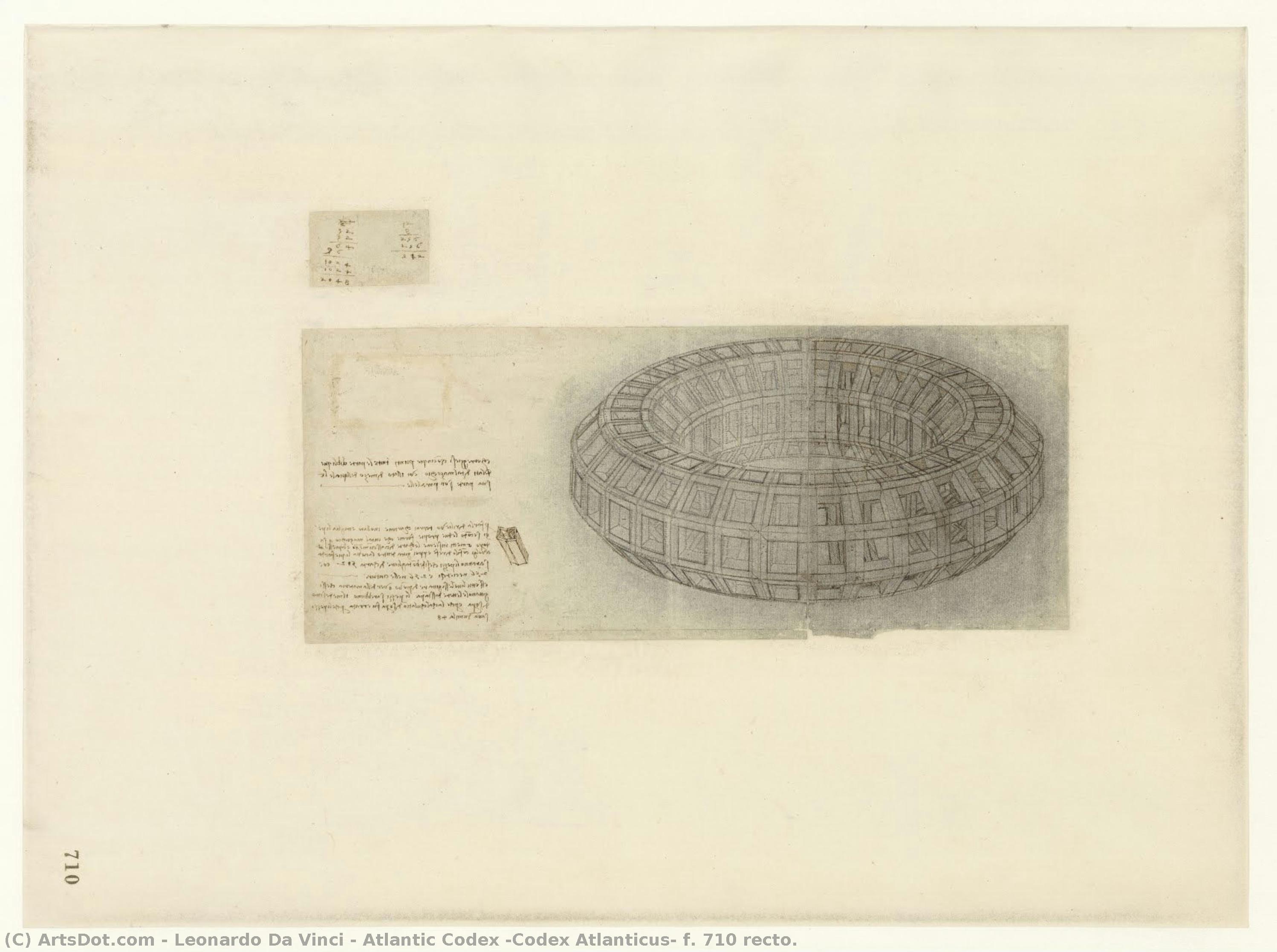
Atlantic Codex (Codex Atlanticus) f. 710 recto.

探索文艺复兴时期最伟大的天才列奥纳多·达·芬奇 (1452-1519),他是《蒙娜丽莎》和《最后的晚餐》背后的艺术巨匠! 了解他的晕染法技巧、人体解剖研究以及开创性的发明。

艺术微喷/版画

博物馆级艺术微喷或帆布版画,制作高效,并提供多种饰面选择。 (购买手绘画作 购买手绘画作购买图片 购买图片)

P118B $10
P118H $10
P118W $10
P438Z $10
P508JH $12
P508YH $12
P805H $10
P805Z $10
P919BZ $10
P919G $10
P919XJ $10
P959ZH $10
P968JZ $12
W106C $8
W218G $10
W218JH $8
W218Y $10
W307PJ $10
W316G $10
W316PJ $8
W316Y $10
W398PJ $8
W4111J $10
W500HY $15
W500JH $15
W692G $12
W849H $8
W940BG $15
W953PJ $8

Standard
custom
CM
INCH

从与原作比例一致的预设尺寸中进行选择。

宽度
高度

您可以输入自定义尺寸,以适配特定的画框或空间。如果您选择的尺寸与原图比例不符,我们将对作品进行裁剪,或通过镜像填充/纯色填充边缘的方式来扩展图像。在开始制作之前,我们会向您发送一份数字效果图供您确认。
请注意,屏幕上的预览并不能反映实际的裁剪或扩展效果。只有效果图才能准确展示最终的构图。
虽然我们提供定制尺寸,但为了保持原图比例,我们建议您从预设列表中选择尺寸。

全球配送(),仅需 2 周即可送达,无需等待标准流程的 4/5 周。(17 August)

why_choose_icon
全球免费特快专递服务
why_choose_icon
优质亚麻画布
why_choose_icon
全程运输保险
why_choose_icon
关税退款保证
why_choose_icon
色彩还原度保证
why_choose_icon
60天退货政策(仅限制造缺陷)
why_choose_icon
100%退款保证
why_choose_icon
多件购买优惠

总计金额

$ 68

reproduction

Atlantic Codex (Codex Atlanticus) f. 710 recto.

艺术微喷/版画

复制品尺寸

-

最终总价

$ 68

作品概览

  • Title: Atlantic Codex (Codex Atlanticus) f. 710 recto.
  • Artistic style: Detailed realism
  • Location: Biblioteca Nazionale Centrale di Firenze
  • Influences: Classical architecture
  • Notable elements or techniques: Blueprint; Architectural design
  • Medium: Drawing
  • Artist: Leonardo da Vinci

艺术知识测试

每道题只有一个正确答案。

题目 1:
What is the Atlantic Codex (Codex Atlanticus) primarily known for?
题目 2:
The image description suggests that the drawing resembles what type of structure?
题目 3:
Leonardo da Vinci’s apprenticeship took place under whom?
题目 4:
What artistic technique is most likely employed in the depiction of the building’s design?
题目 5:
Based on the overall composition, what might be a possible interpretation of this artwork?

藏品详情

Decoding the Blueprint of Genius: Exploring Leonardo da Vinci’s Atlantic Codex Folio 710 recto

The drawing before us—a meticulously rendered circular edifice studded with windows—isn't merely an architectural sketch; it’s a tangible manifestation of Leonardo da Vinci’s restless intellect and his unwavering pursuit of understanding. Created in 1515, during the twilight years of his extraordinary life, Folio 710 recto from Codex Atlanticus offers more than just visual representation; it unveils layers of speculation about Da Vinci's visionary ambitions and hints at a conceptual framework that transcends conventional artistic practice. This enigmatic piece resides within Codex Atlanticus, Leonardo’s sprawling notebook—a testament to his boundless curiosity encompassing art, science, anatomy, engineering, and philosophy – making its interpretation particularly rewarding for those attuned to the complexities of Renaissance thought.
  • Subject Matter: The drawing depicts a monumental structure resembling a cathedral or temple, reflecting Da Vinci’s fascination with grand architectural designs and his desire to capture the sublime beauty of natural forms.
  • Style & Technique: Executed in graphite on paper, the drawing demonstrates Da Vinci's mastery of observational drawing—a cornerstone of his artistic method. Precise lines delineate the building’s contours, while shading subtly conveys volume and texture, showcasing his dedication to capturing realistic detail.
The historical context surrounding Folio 710 recto is crucial to appreciating its significance. Da Vinci was actively engaged in numerous projects during this period, including commissions for patrons like Cesare Borgia and Francesco Sforza. However, this drawing stands apart from these commissioned works; it represents a purely conceptual exercise—a distillation of his ideas about building design and spatial organization. It’s believed to be part of a series exploring innovative structural concepts, anticipating advancements in engineering that wouldn't materialize for centuries. Symbolism & Conceptual Depth:
  • The circular form itself is laden with symbolism—representing unity, eternity, and the cosmos—reflecting Da Vinci’s humanist worldview and his belief in the interconnectedness of all things.
  • The numerous windows are strategically positioned to maximize natural light and create a sense of openness and grandeur, mirroring Da Vinci's understanding of optics and his desire to evoke awe and contemplation.
Ultimately, Folio 710 recto transcends its formal description as an architectural drawing. It embodies Leonardo da Vinci’s spirit of inquiry—his relentless questioning of the natural world and his unwavering belief in human potential. The drawing's quiet precision speaks volumes about Da Vinci's meticulous approach to observation and representation, inviting viewers to contemplate not just what is seen but also what might be conceived. Reproductions crafted with archival quality materials capture this essence beautifully, allowing admirers worldwide to experience a glimpse into the mind of one of history’s greatest geniuses.

艺术家简介

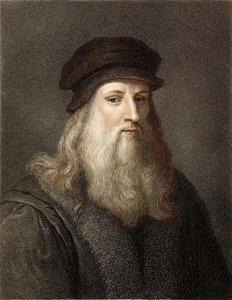
列奥纳多·达·芬奇:文艺复兴的百科全书

列奥纳多·迪·谢罗·皮耶罗·达·芬奇(Leonardo di ser Piero da Vinci),1452 年出生于托斯卡纳地区文奇附近的安奇亚诺村,是文艺复兴时期最广为人知的代表人物之一——一位真正的博学者,其无尽的好奇心推动他跨越多个学科领域,在艺术、科学和工程学方面留下了不可磨灭的印记。他的名字本身已成为天才的代名词,证明了他非凡的天赋和远见卓识。列奥纳多是公证员皮耶罗·达·芬奇和农民卡特里娜所生的私生子,他早年的生活虽然不寻常,却也让他接触到了现实世界以及对自然的欣赏,这些都深刻地影响了他的艺术视野。他接受了基本的读写算术教育,但真正点燃了他创造性火花的是佛罗伦萨安德烈亚·德尔·维罗基奥(Andrea del Verrocchio)的学徒生涯。在维罗基奥的工作室里,列奥纳多不仅仅是在学习绘画或雕塑;他沉浸在一个充满技术技能的世界中,精通金属加工、木工、素描以及艺术创作的复杂性——这为他构建多元化的天才奠定了基础。即使在这个形成时期,就已流传着关于他非凡天赋的传闻,据说维罗基奥本人在目睹列奥纳多的卓越能力后,便放弃了绘画。

米兰时期的创新与艺术繁荣

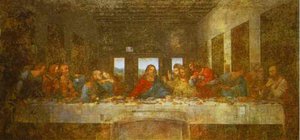
1482 年,列奥纳多开启了新篇章,进入米兰公爵路易斯·斯福尔扎(Ludovico Sforza)的效力。这不仅仅是一份艺术任命;列奥纳多担任军事工程师、建筑师、雕塑家和设计师,充分展现了他的多样技能。他构思了创新的防御工事,设计了华丽的舞台布景,甚至还绘制了奇幻机器的设计图。然而,正是在这一时期,他开始创作其最具标志性的杰作之一:《最后的晚餐》。这幅作品以壁画的形式在米兰圣玛利亚德尔格拉齐亚修道院的食堂中呈现,它超越了单纯的表现,是对人类情感和心理戏剧的深刻探索,捕捉了基督宣告背叛的那一刻。构图创新,运用透视技术精湛,将对西方艺术产生深远影响。尽管他在米兰时期完成了许多雕塑项目,但列奥纳多的发明精神仍在不断发展,为未来的科学探索奠定了基础。

佛罗伦萨回归与完美追求

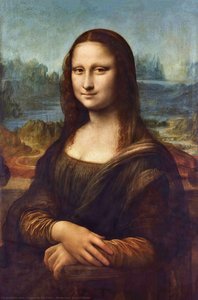
1499 年法军入侵米兰后,列奥纳多返回了艺术发展的巅峰——佛罗伦萨。尽管在此期间他完成的作品较少,但其影响却十分巨大。正是在这里,他开始创作出被公认为世界上最著名的画作之一:《蒙娜丽莎》(La Gioconda)。画中人物神秘的微笑和迷人的眼神几代人以来一直吸引着观众,而列奥纳多革命性的晕染法(sfumato)——通过微妙地混合光线和阴影来创造朦胧的轮廓和大气透视——极大地增强了这幅画作的空灵感。这一时期也见证了他对人体解剖学的研究不断精进,源于他对理解人体的科学精确性的坚定追求。他解剖尸体,以一系列令人难以置信地详细的图稿记录肌肉、骨骼和器官,这些图稿比当时的技术先进了几个世纪。

超越艺术的遗产:科学、发明与持久的影响

列奥纳多的后期岁月在佛罗伦萨、米兰和罗马之间穿梭,他一直备受追捧,但往往未能完成项目——这或许反映了他不安分的智慧以及兴趣领域的广阔。1516 年,他应法国国王弗朗索瓦一世的邀请前往安布瓦斯附近的克鲁塞城堡生活和工作,在那里度过了他的最后岁月。他在右半身瘫痪的情况下去世于 1519 年,留下了广泛的遗产,远远超出了艺术领域。他的笔记本揭示了在解剖学、光学、水力学、地质学和制图学方面开创性的工作——并构思了比当时先进几个世纪的发明,包括飞行器、坦克和先进武器。列奥纳多·达·芬奇对艺术史的影响是不可估量的。他提升了艺术家从熟练工匠到知识分子的地位,证明了艺术创作可以通过科学探究和对自然世界深刻理解来获得信息。他的画作以其现实主义、心理深度和创新技术而闻名。他仍然是人类好奇心、创造力和不懈追求知识的象征——一位真正体现文艺复兴精神的人物,几个世纪后,人们依然为之惊叹并充满敬佩。
主要成就与持久影响

  • 绘画:《蒙娜丽莎》、《最后的晚餐》、《岩间圣母》、《报喜使》
  • 素描与绘图: 广泛的人体解剖学研究、工程设计(飞行器、武器)、植物画
  • 科学与工程: 在解剖学、光学、水力学、地质学和制图学方面开创性的工作。构思了比当时先进几个世纪的发明。
列奥纳多·达·芬奇

列奥纳多·达·芬奇

1452 - 1519 , 意大利

艺术家简介

  • Artistic Movement Or Style: 文艺复兴时期
  • Artists Or Movements Influenced By This Artist: ['文艺艺术']
  • Artists Who Influenced This Artist: ['安德烈亚·德尔·委罗基奥']
  • Date Of Birth: 1452年4月15日
  • Date Of Death: 1519年5月2日
  • Full Name: 列奥纳多·达·芬奇
  • Nationality: 意大利人
  • Notable Artworks:
    • 蒙娜丽莎
    • 最后的晚餐
    • 维特鲁威人
  • Place Of Birth: 意大利文奇镇
探索按主题、风格和特征分类的艺术作品。