x






























从与原作比例一致的预设尺寸中进行选择。

您可以输入自定义尺寸,以适配特定的画框或空间。如果您选择的尺寸与原图比例不符,我们将对作品进行裁剪,或通过镜像填充/纯色填充边缘的方式来扩展图像。在开始制作之前,我们会向您发送一份数字效果图供您确认。
请注意,屏幕上的预览并不能反映实际的裁剪或扩展效果。只有效果图才能准确展示最终的构图。
虽然我们提供定制尺寸,但为了保持原图比例,我们建议您从预设列表中选择尺寸。

Ceiling decoration
复制品尺寸
Within the imposing Castello Sforzesco in Milan resides a fresco that transcends mere decoration—it is a meticulously crafted microcosm, a testament to Leonardo da Vinci’s boundless curiosity and artistic genius. Known as “Sala delle Asse” (Room of the Tower), this ceiling decoration, completed between 1496 and 1498, represents far more than just a painted surface; it embodies a profound exploration of nature, geometry, and the human condition. Commissioned by Ludovico Sforza, Duke of Milan, as part of his ambitious plan to transform the castle into a family mausoleum, the fresco was initially intended to adorn the chapel’s vaulted ceiling. Leonardo, already a celebrated artist in Florence, was invited to Milan, where he found himself unexpectedly tasked with this monumental project – a shift from his usual focus on portraiture and narrative scenes.
The creation of “Sala delle Asse” coincided with a pivotal moment in Leonardo’s career. He had recently completed the ‘Last Supper,’ a work that demanded an entirely new approach to painting—one that prioritized capturing fleeting expressions and dramatic moments rather than traditional, idealized representations. This experience undoubtedly informed his meticulous planning for the ceiling, which he approached with the same scientific rigor and observational acuity that characterized his anatomical studies and engineering designs. The project’s timeline was fraught with challenges; Leonardo's inconsistent schedule and frequent revisions led to a protracted process, ultimately requiring significant intervention from assistants.
What immediately captivates the viewer is the astonishing illusion of depth and space created within the relatively small confines of the Sala delle Asse. Leonardo masterfully employs a complex system of perspective to render a dense, interwoven forest that appears to erupt from the walls themselves. The composition is dominated by towering tree trunks, their branches reaching upwards towards the lunettes (triangular spaces) above, forming a verdant canopy that blankets the ceiling. Interspersed amongst these colossal trees are delicate flowering plants and fruiting vines, creating a vibrant tapestry of life.
Leonardo’s technique is equally remarkable. He utilized tempera paint on a gessoed wall, a method less forgiving than fresco painting, allowing for greater flexibility in altering the design as he worked. The meticulous layering of colors and the subtle blending create an astonishingly realistic effect—one that invites the viewer to step into this imagined woodland realm. The use of monochrome elements – particularly the roots penetrating layers of rock – adds a layer of symbolic depth, hinting at themes of growth, decay, and the interconnectedness of all things.
Beyond its purely aesthetic qualities, “Sala delle Asse” is rich in symbolism. The forest itself can be interpreted as a metaphor for the human soul—a complex and dynamic entity constantly striving for growth and enlightenment. The intertwining branches represent the interconnectedness of all living things, while the flowering plants symbolize beauty, fertility, and spiritual renewal. The presence of roots suggests an underlying connection to the earth, reminding us of our origins and grounding.
Leonardo’s fascination with nature is evident throughout the fresco. He meticulously studied plant life, documenting its forms and patterns in his notebooks. “Sala delle Asse” can be seen as a culmination of this research—a visual representation of his deep understanding of the natural world. The composition also subtly references classical mythology, particularly the story of Daphne, who transformed herself into a laurel tree to escape Apollo’s pursuit. This allusion adds another layer of meaning to the fresco, suggesting themes of transformation and metamorphosis.
“Sala delle Asse” is more than just a beautiful painting; it's an immersive experience—a testament to Leonardo da Vinci’s unparalleled artistic vision. The fresco evokes a sense of awe, wonder, and quiet contemplation. The sheer scale of the composition, combined with its intricate detail and masterful illusionism, creates a truly unforgettable spectacle. It is a reminder of the power of art to transport us beyond our everyday lives and into realms of imagination and beauty.
Today, “Sala delle Asse” continues to captivate audiences around the world. Reproductions of this extraordinary fresco offer a glimpse into Leonardo’s genius—a chance to experience firsthand the magic of his creative mind. Whether viewed in person or through a high-quality print, this masterpiece remains a timeless symbol of human ingenuity and artistic achievement.

列奥纳多·迪·谢罗·皮耶罗·达·芬奇(Leonardo di ser Piero da Vinci),1452 年出生于托斯卡纳地区文奇附近的安奇亚诺村,是文艺复兴时期最广为人知的代表人物之一——一位真正的博学者,其无尽的好奇心推动他跨越多个学科领域,在艺术、科学和工程学方面留下了不可磨灭的印记。他的名字本身已成为天才的代名词,证明了他非凡的天赋和远见卓识。列奥纳多是公证员皮耶罗·达·芬奇和农民卡特里娜所生的私生子,他早年的生活虽然不寻常,却也让他接触到了现实世界以及对自然的欣赏,这些都深刻地影响了他的艺术视野。他接受了基本的读写算术教育,但真正点燃了他创造性火花的是佛罗伦萨安德烈亚·德尔·维罗基奥(Andrea del Verrocchio)的学徒生涯。在维罗基奥的工作室里,列奥纳多不仅仅是在学习绘画或雕塑;他沉浸在一个充满技术技能的世界中,精通金属加工、木工、素描以及艺术创作的复杂性——这为他构建多元化的天才奠定了基础。即使在这个形成时期,就已流传着关于他非凡天赋的传闻,据说维罗基奥本人在目睹列奥纳多的卓越能力后,便放弃了绘画。
1482 年,列奥纳多开启了新篇章,进入米兰公爵路易斯·斯福尔扎(Ludovico Sforza)的效力。这不仅仅是一份艺术任命;列奥纳多担任军事工程师、建筑师、雕塑家和设计师,充分展现了他的多样技能。他构思了创新的防御工事,设计了华丽的舞台布景,甚至还绘制了奇幻机器的设计图。然而,正是在这一时期,他开始创作其最具标志性的杰作之一:《最后的晚餐》。这幅作品以壁画的形式在米兰圣玛利亚德尔格拉齐亚修道院的食堂中呈现,它超越了单纯的表现,是对人类情感和心理戏剧的深刻探索,捕捉了基督宣告背叛的那一刻。构图创新,运用透视技术精湛,将对西方艺术产生深远影响。尽管他在米兰时期完成了许多雕塑项目,但列奥纳多的发明精神仍在不断发展,为未来的科学探索奠定了基础。
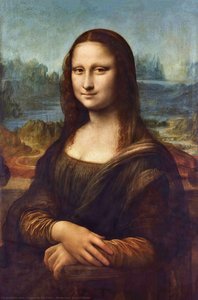
1499 年法军入侵米兰后,列奥纳多返回了艺术发展的巅峰——佛罗伦萨。尽管在此期间他完成的作品较少,但其影响却十分巨大。正是在这里,他开始创作出被公认为世界上最著名的画作之一:《蒙娜丽莎》(La Gioconda)。画中人物神秘的微笑和迷人的眼神几代人以来一直吸引着观众,而列奥纳多革命性的晕染法(sfumato)——通过微妙地混合光线和阴影来创造朦胧的轮廓和大气透视——极大地增强了这幅画作的空灵感。这一时期也见证了他对人体解剖学的研究不断精进,源于他对理解人体的科学精确性的坚定追求。他解剖尸体,以一系列令人难以置信地详细的图稿记录肌肉、骨骼和器官,这些图稿比当时的技术先进了几个世纪。
列奥纳多的后期岁月在佛罗伦萨、米兰和罗马之间穿梭,他一直备受追捧,但往往未能完成项目——这或许反映了他不安分的智慧以及兴趣领域的广阔。1516 年,他应法国国王弗朗索瓦一世的邀请前往安布瓦斯附近的克鲁塞城堡生活和工作,在那里度过了他的最后岁月。他在右半身瘫痪的情况下去世于 1519 年,留下了广泛的遗产,远远超出了艺术领域。他的笔记本揭示了在解剖学、光学、水力学、地质学和制图学方面开创性的工作——并构思了比当时先进几个世纪的发明,包括飞行器、坦克和先进武器。列奥纳多·达·芬奇对艺术史的影响是不可估量的。他提升了艺术家从熟练工匠到知识分子的地位,证明了艺术创作可以通过科学探究和对自然世界深刻理解来获得信息。他的画作以其现实主义、心理深度和创新技术而闻名。他仍然是人类好奇心、创造力和不懈追求知识的象征——一位真正体现文艺复兴精神的人物,几个世纪后,人们依然为之惊叹并充满敬佩。
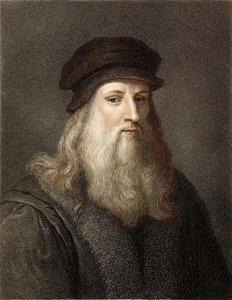
1452 - 1519 , 意大利

Commission breathtaking bespoke fantasy art with skilled oil painters. Explore techniques, artist selection & preservation tips. Invest in a unique masterpiece today!

Transform your cherished photos into timeless oil paintings with Most-Famous-Paintings's expert artists. Museum-quality reproductions & custom portraits, crafted to last a lifetime. Discover the art of personal legacy.

Explore 10 Renaissance Humanism masterpieces by Leonardo da Vinci, Michelangelo & Raphael. Discover the stories behind these iconic paintings & sculptures and bring timeless art into your home with museum-quality reproductions from Most-Famous-Paintings.com. Explore the full collection online!
探索拉斐尔大师的25幅杰作!深入了解文艺复兴艺术、意大利绘画和经典油画背后的故事。Most-Famous-Paintings.com提供博物馆品质的拉斐尔作品复制品,为您的家居装饰带来永恒之美。立即在线探索完整系列。

Journey through art history with our Top 10 oil paintings! Explore iconic works by Van Gogh, Monet & Rembrandt. Discover timeless masterpieces and find museum-quality reproductions for your home at .


第一时间获取最新的艺术新闻、独家优惠及装饰灵感。
向我们介绍您的项目需求,我们的艺术专家将为您提供 3 个个性化的艺术品推荐。
由我们的专家为您精选 3 款心仪之作 —— 完全免费!


 定制手绘复刻品
 分享
分享 分享
分享
 详情
详情

 下载
下载
 相似作品
相似作品 X射线
X射线 幻灯片播放
幻灯片播放

 展开详情
展开详情









 玻璃选项仅适用于110厘米以下的尺寸。