x
从与原作比例一致的预设尺寸中进行选择。

您可以输入自定义尺寸,以适配特定的画框或空间。如果所选尺寸与原图比例不符,我们将通过裁剪作品或添加手绘元素来扩展画面。数字样稿将在制作开始前发送给您确认。
请注意,屏幕预览无法准确反映实际的裁剪或扩展效果,只有样稿才能真实呈现最终的构图。
虽然我们提供定制尺寸服务,但为了保留原作比例,建议您从预设列表中选择尺寸。

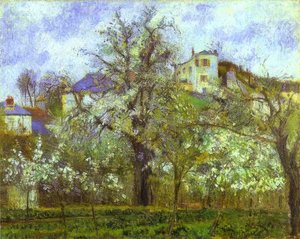
Spring
复制品尺寸
Louis Desplaces (1682-1739) stands as a pivotal figure in 18th-century French art, a master whose intricate engravings and dramatic allegorical paintings captivated audiences and established a distinctive style that blended classical influence with a vibrant theatricality. Born in Paris, his artistic journey began within the workshop of François Robichon de La Guerinière, a renowned engraver, providing him with a foundational understanding of technique and composition. This early training instilled a meticulous approach to detail and an appreciation for the power of line, qualities that would become hallmarks of his later work.
Desplaces’s career unfolded against the backdrop of Louis XIV's opulent court, a period characterized by lavish patronage and a fervent embrace of Baroque aesthetics. He quickly gained recognition for his ability to translate complex mythological and historical narratives into visually arresting images. Unlike many of his contemporaries who focused solely on portraiture or genre scenes, Desplaces consistently chose subjects demanding both erudition and dramatic flair – often drawing upon classical mythology, biblical stories, and historical events. His engravings, in particular, were highly sought after by collectors and disseminated widely throughout Europe, contributing significantly to the spread of French artistic influence.
Desplaces’s style evolved over time, reflecting both his technical mastery and his growing artistic vision. Initially influenced by La Guerinière's precise draughtsmanship, he gradually developed a more expressive and dynamic approach. His compositions are characterized by a theatrical sense of movement, often employing diagonal lines and dramatic lighting to create a powerful visual impact. He skillfully manipulated perspective and foreshortening to heighten the illusion of depth and immerse the viewer in the scene.
A key element of his style is his use of color – particularly in his paintings. While he primarily worked in monochrome engraving, his palette was rich and vibrant, employing a wide range of hues to create luminous effects and convey mood. His depictions of figures are often rendered with meticulous attention to detail, capturing their individual personalities and emotions. His engravings for works like “Triumph of Titus and Vespasian,” commissioned by the National Gallery in Scotland, demonstrate this ability to combine technical precision with expressive storytelling.
Among Desplaces’s most celebrated achievements is his series of engravings based on the Roman emperors Titus and Vespasian. These works, executed with remarkable skill and dramatic flair, showcase his mastery of composition, perspective, and color. The “Triumph of Titus and Vespasian” engraving, now housed in the National Gallery of Scotland, exemplifies his ability to capture a pivotal moment in history with both accuracy and emotional resonance. His work also includes engravings based on classical myths such as "Pomona," depicting the goddess of fruit trees, which is held at The Metropolitan Museum of Art.
Desplaces’s artistic development was undoubtedly influenced by the Baroque masters, particularly Gian Lorenzo Bernini and Peter Paul Rubens. He shared their commitment to dramatic composition, dynamic movement, and a theatrical use of light and shadow. However, Desplaces possessed a unique sensibility that set him apart from his contemporaries. His work is characterized by a refined elegance and a subtle sense of humor, reflecting the intellectual currents of the French court.
Louis Desplaces’s legacy extends far beyond his individual works. He played a crucial role in shaping the development of engraving as a fine art form in France, establishing a new standard for technical skill and artistic expression. His engravings were widely imitated by other artists, contributing to the dissemination of French Baroque style throughout Europe. His work continues to be admired today for its beauty, craftsmanship, and evocative power.
Furthermore, Desplaces’s depictions of historical and mythological subjects offer valuable insights into the cultural values and intellectual interests of 18th-century France. His engravings provide a window into a world of courtly intrigue, classical learning, and dramatic spectacle – a testament to the enduring appeal of art as a means of exploring the complexities of human experience.

1682 - 1739


第一时间获取最新的艺术新闻、独家优惠及装饰灵感。
向我们介绍您的项目需求,我们的艺术专家将为您提供 3 个个性化的艺术品推荐。
由我们的专家为您精选 3 款心仪之作 —— 完全免费!


 效果预览
效果预览
 购买印刷品
购买印刷品 分享
分享 分享
分享
 详情
详情

 下载
下载
 相似作品
相似作品 X射线
X射线 幻灯片播放
幻灯片播放

 展开详情
展开详情






































 玻璃选项仅适用于110厘米以下的尺寸。