
愿望清单 购物车 Cart
定制手绘复刻品 定制手绘复刻品购买高清图片 购买高清图片 分享分享
详情详情 加入收藏 加入收藏 下载下载 相似作品相似作品 X射线X射线 幻灯片播放幻灯片播放

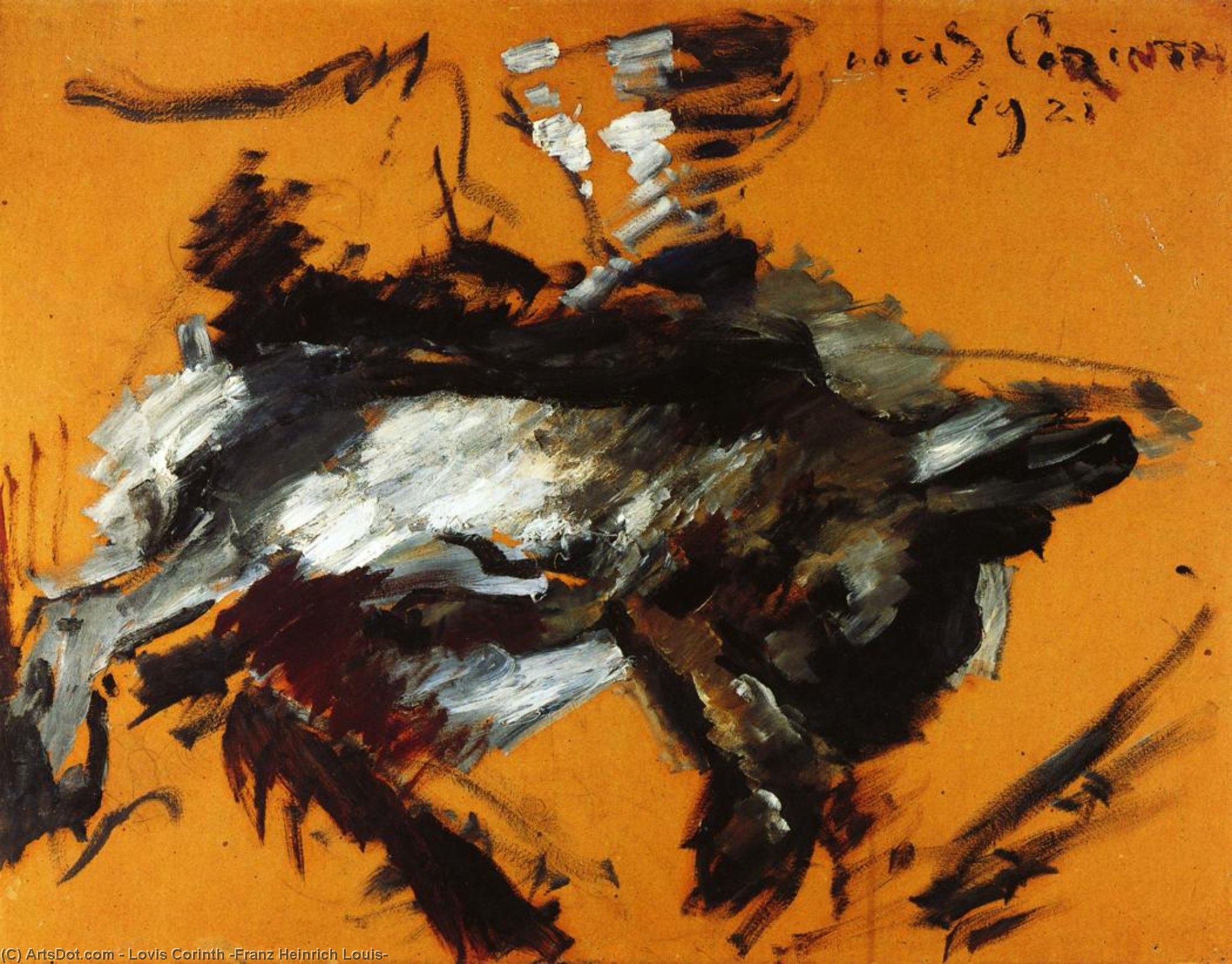
The Hare

A captivating study of a hare captured in dynamic poses against an abstract orange backdrop, this 1921 masterpiece by Lovis Corinth invites you to explore the raw beauty of German Expressionism for your collection.

德国画家洛维斯·柯林特 (1858-1925),横跨印象派与表现主义,以肖像、风景画和对生活的真实描绘著称,《屠宰场》是其早期代表作。探索他在柏林分离派中的领导地位以及他对德国艺术的持久影响。

艺术微喷/版画

博物馆级艺术微喷或帆布版画,制作高效,并提供多种饰面选择。

P118B $10
P118H $10
P118W $10
P438Z $10
P508JH $12
P508YH $12
P805H $10
P805Z $10
P919BZ $10
P919G $10
P919XJ $10
P959ZH $10
P968JZ $12
W106C $8
W218G $10
W218JH $8
W218Y $10
W307PJ $10
W316G $10
W316PJ $8
W316Y $10
W398PJ $8
W4111J $10
W500HY $15
W500JH $15
W692G $12
W849H $8
W940BG $15
W953PJ $8

Standard
custom
CM
INCH

从与原作比例一致的预设尺寸中进行选择。

宽度
高度

您可以输入自定义尺寸,以适配特定的画框或空间。如果您选择的尺寸与原图比例不符,我们将对作品进行裁剪,或通过镜像填充/纯色填充边缘的方式来扩展图像。在开始制作之前,我们会向您发送一份数字效果图供您确认。
请注意,屏幕上的预览并不能反映实际的裁剪或扩展效果。只有效果图才能准确展示最终的构图。
虽然我们提供定制尺寸,但为了保持原图比例,我们建议您从预设列表中选择尺寸。

全球配送(),仅需 2 周即可送达,无需等待标准流程的 4/5 周。(21 July)

why_choose_icon
全球免费特快专递服务
why_choose_icon
优质亚麻画布
why_choose_icon
全程运输保险
why_choose_icon
关税退款保证
why_choose_icon
色彩还原度保证
why_choose_icon
60天退货政策(仅限制造缺陷)
why_choose_icon
100%退款保证
why_choose_icon
多件购买优惠

总计金额

-

reproduction

The Hare

艺术微喷/版画

复制品尺寸

-

最终总价

-

作品概览

  • Dimensions: 65 x 85 cm
  • Year: 1921
  • Title: The Hare
  • Notable elements or techniques: Dynamic use of color and lighting
  • Subject or theme: Hare in various positions

藏品详情

A Dance of Light and Instinct: Rediscovering Lovis Corinth’s The Hare

In the quiet, evocative realm of early 20th-century German art, few works capture the raw, pulsing energy of nature quite like Lovis Corinth’s The Hare. Painted in 1921, this masterpiece serves as a profound window into the artist's late-career mastery, where the boundaries between Impressionist light and Expressionist emotion begin to dissolve. The painting presents a captivating study of movement and stillness; the hare is not merely a static subject but a presence captured in various states of being—standing alert on its hind legs, resting, and reclining. This rhythmic repetition of form creates a sense of temporal fluidity, as if the viewer is witnessing a fleeting moment of life unfolding in real-time against a vibrant, dreamlike backdrop.

The technical brilliance of this piece lies in Corinth’s ability to manipulate color and texture to evoke a visceral response. The background, an abstract expanse of warm, glowing orange, acts as a luminous stage that pushes the subject forward, demanding the viewer's undivided attention. Through a skillful application of light, the artist breathes life into the fur and musculature of the hare, using bold, confident brushstrokes that suggest the tactile reality of the creature. This technique does more than just depict an animal; it captures the very essence of vitality. For the discerning collector or interior designer, this painting offers a sophisticated interplay of warmth and movement, making it a commanding focal point that can breathe life into any curated space.

Symbolism and the Spirit of the Era

Beyond its surface beauty, The Hare carries a weight of symbolic significance that reflects the tumultuous era in which Corinth lived. As a bridge between the observational precision of Impressionism and the raw, psychological depth of Expressionism, Corinth uses the hare to explore themes of vulnerability and resilience. The creature, often a symbol of fertility and the cyclical nature of life, is presented here with a sense of profound autonomy. There is no hunter in this frame, only the pure, unadulated existence of the subject within its abstract environment. This focus on the intrinsic value of life, stripped of narrative distraction, resonates deeply with modern sensibilities that seek solace in the organic and the authentic.

For those looking to integrate fine art into a contemporary home, this reproduction offers more than just decoration; it provides an emotional anchor. The painting’s ability to evoke both tranquility through its warm palette and excitement through its dynamic composition makes it an incredibly versatile piece. Whether placed in a sun-drenched morning room or a moody, sophisticated study, The Hare invites contemplation and serves as a testament to the enduring power of the natural world. It is a celebration of life captured in paint, a timeless fragment of history that continues to inspire awe and wonder in the hearts of art lovers worldwide.


艺术家简介

Lovis Corinth (1858–1925): Bridging Impressionism and Expressionism

Lovis Corinth, born Franz Heinrich Louis on July 21, 1858, in the Prussian province of East Prussia—a region grappling with rapid industrialization and shifting social mores—was a German painter who stands as an undeniable cornerstone of early 20th-century art. His artistic trajectory wasn’t one of effortless brilliance but rather a painstakingly cultivated path forged through relentless observation, profound introspection, and ultimately, the crucible of personal hardship. Corinth's formative years were steeped in the rural traditions of Tapiau, where his father practiced tanning—a craft intimately connected to the earth and imbued with tactile immediacy—providing him with an early understanding of materiality that would resonate throughout his oeuvre. This initial exposure to physicality wouldn’t merely inform his technique; it instilled within him a sensitivity to texture and form that distinguished him from many of his contemporaries. Early Academic Training & The Seeds of Impressionism Rejecting the rigid formalism of the Academy of Königsberg in 1876—a bastion of artistic convention—Corinth swiftly recognized that true artistic fulfillment demanded exploration beyond prescribed boundaries. His wanderings across Europe—Munich, Antwerp, Paris—were not merely journeys of discovery but crucial encounters with diverse artistic currents. Munich introduced him to Ludwig von Löfftz’s meticulous realism, honing his observational skills and mastering the exacting demands of academic technique; Antwerp exposed him to Rubens' dramatic Baroque grandeur, fostering a fascination for dynamic composition and expressive brushwork. However, it was Paris—the epicenter of Impressionism—that irrevocably altered Corinth’s artistic sensibilities. Initially skeptical of Monet’s fragmented palette and Renoir’s fleeting light effects, he nevertheless absorbed the spirit of Impressionism with quiet diligence. He didn't embrace these innovations wholesale; instead, he assimilated their principles into his own distinctive vision—a synthesis that would propel him to the forefront of Expressionist aesthetics. This blending of influences—the rigor of realism tempered by the vibrancy of Impressionism—became the hallmark of Corinth’s artistic style and cemented his position as a pivotal figure in bridging two transformative movements. Exploring Emotion & Confronting Mortality The stroke he suffered in December 1911—a devastating blow that paralyzed his left side—forced Corinth to confront mortality head-on, triggering an unprecedented surge of creative energy. Adapting to physical limitations with unwavering determination and bolstered by the steadfast support of his wife, Charlotte Berend-Corinth, he relearned to paint—a feat considered impossible by many—transforming his artistic practice into a testament to resilience and human spirit. During this period, Corinth’s paintings underwent a dramatic stylistic shift—characterized by bolder brushstrokes, intensified color palettes, and an overwhelming surge of emotional intensity. He abandoned the polished surfaces of earlier works for looser textures and gestural marks—anticipating many of the expressive innovations that would define Expressionism—reflecting a profound engagement with existential themes and a willingness to grapple with uncomfortable truths. This transformative experience imbued his art with a palpable urgency and authenticity, solidifying Corinth’s legacy as an artist who transmuted personal tragedy into profound artistic expression. Notable Works & Artistic Legacy Corinth's oeuvre encompasses a remarkable range of genres—biblical scenes, mythological subjects, portraits, landscapes—each infused with his distinctive stylistic vision. Among his most celebrated paintings are “In the Slaughterhouse” (1878)—a brutally honest depiction of animal carcasses that exemplifies Corinth’s early mastery of technique and his willingness to confront unsettling subjects; "Self-Portrait" series—a chronicle of self-perception evolving over time, revealing a deep introspection and fearless exploration of identity; “Female Semi-Nude with Hat” (1906)—a sensual portrait blending classical motifs with Impressionistic techniques—demonstrating Corinth’s ability to convey character and emotion with remarkable economy. His landscapes—particularly those depicting the Walchensee region in Bavaria—are characterized by their vibrant colors, dynamic brushwork, and emotional resonance—representing Corinth's mature style at its most powerful and expressive. These paintings stand as enduring symbols of his artistic genius and testify to his unwavering commitment to capturing the essence of human experience. Beyond Painting: Artistic Influence & Recognition Corinth’s influence extended far beyond his own artistic output; he served as a respected teacher—inspiring generations of aspiring artists—and penned insightful essays on art history—offering profound reflections on aesthetic principles and artistic practice. He presided over the Berlin Secession from 1915 until his death in 1925—championing progressive artistic ideas and fostering a vibrant creative community—solidifying Corinth’s position as a visionary leader who shaped the trajectory of German art. Lovis Corinth's enduring legacy resides not merely in his breathtaking body of work but also in his unwavering dedication to artistic integrity—a testament to an artist who transcended convention, confronted mortality with courage, and transformed personal suffering into profound artistic achievement—leaving an indelible mark on the annals of art history.
罗维斯·科林斯

罗维斯·科林斯

1858 - 1925 , 荷兰

艺术家简介

  • Artistic Movement Or Style: 印象主義與表現主義
  • Artists Or Movements Influenced By This Artist: ['表現主義']
  • Artists Who Influenced This Artist:
    • 柯勃爾特
    • 魯伯斯
  • Date Of Birth: 1858年7月21日
  • Date Of Death: 1925年7月17日
  • Full Name: Franz Heinrich Louis Corinth
  • Nationality: 德國
  • Notable Artworks:
    • 屠宰場
    • 自畫像
    • 戴帽的女性半裸身體
  • Place Of Birth: 東普羅斯薩,德国塔烏瓦德
探索按主题、风格和特征分类的艺术作品。





































