


x





























从与原作比例一致的预设尺寸中进行选择。

您可以输入自定义尺寸,以适配特定的画框或空间。如果您选择的尺寸与原图比例不符,我们将对作品进行裁剪,或通过镜像填充/纯色填充边缘的方式来扩展图像。在开始制作之前,我们会向您发送一份数字效果图供您确认。
请注意,屏幕上的预览并不能反映实际的裁剪或扩展效果。只有效果图才能准确展示最终的构图。
虽然我们提供定制尺寸,但为了保持原图比例,我们建议您从预设列表中选择尺寸。

Return from the Synagogue
复制品尺寸
In the quiet, monochrome depths of Marc Chagall’s 1926 masterpiece, "Return from the Synagogue," we find ourselves transported not merely to a snowy street in Vitebsk, but into the very heart of an artist's subconscious. This evocative work serves as a profound testament to Chagall’s enduring fascination with Jewish folklore and the transformative power of dreamlike imagery. As one gazes upon the figures navigating the wintry landscape, the painting transcends its physical subject matter to become an immersive experience—a meditation on faith, displacement, and the resilient preservation of cultural heritage. The absence of color does not diminish the work; rather, it strips away the distractions of the material world, leaving behind a raw, emotional essence that invites deep contemplation.
The stylistic brilliance of this piece lies in its seamless blend of Surrealist Expressionism. Chagall famously eschewed the rigid constraints of meticulous realism, opting instead for distorted figures and fantastical landscapes that align with the avant-garde spirit of his era. Through bold, energetic brushstrokes and a deliberate layering of paint, he creates a surface texture that feels palpable, almost alive. Even within this black and white composition, there is a sense of luminous depth, a technique honed during his early years as a sign painter where precision and light were paramount. The movement of the pedestrians, the presence of a solitary dog, and even the small detail of a book resting on the ground all contribute to a rhythmic, flowing narrative that captures the pulse of community life.
To understand the soul of "Return from the Synagogue," one must look toward the turbulent historical context of its creation. Emerging from the shadows of the 1923 siege of Vitebsk by Polish forces, the painting is imbued with the political tensions of the post-Bolshevik Revolution era. Chagall’s involvement in artistic protests, such as "The White Guard," deeply informed his preoccupation with themes of exile and survival. Every figure walking through the snow carries the weight of this history; their togetherness amidst the biting cold serves as a powerful symbol of communal strength against the encroating forces of displacement. The painting captures a moment where the personal and the political collide, turning a simple walk home into an act of cultural defiance.
For the discerning collector or interior designer, this reproduction offers more than just aesthetic beauty; it provides a focal point of profound emotional gravity. The piece possesses a unique ability to anchor a room with its somber yet hopeful atmosphere, making it an ideal selection for spaces dedicated to reflection, study, or sophisticated storytelling. It is a work that rewards repeated viewing, revealing new layers of symbolism—from the spiritual weight of the synagogue journey to the quiet, whimsical elements of Chagall’s dreamscape—ensuring that it remains a captivating conversation piece for generations to come.

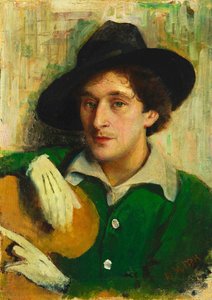
1887 - 1985 , 白俄罗斯

Explore the profound artistry of black and white photography. From the chemistry of gelatin silver to the chiaroscuro of the Old Masters, discover how monochrome captures the eternal essence of light, form, and emotion for the discerning art collector.


第一时间获取最新的艺术新闻、独家优惠及装饰灵感。
向我们介绍您的项目需求,我们的艺术专家将为您提供 3 个个性化的艺术品推荐。
由我们的专家为您精选 3 款心仪之作 —— 完全免费!


 效果预览
效果预览
 购买手绘画作
 分享
分享 分享
分享
 详情
详情

 下载
下载
 相似作品
相似作品 X射线
X射线 幻灯片播放
幻灯片播放

 展开详情
展开详情









 玻璃选项仅适用于110厘米以下的尺寸。


