x
 TemperaSurrealist Dreamscape
Surrealism
TemperaSurrealist Dreamscape
Surrealism 1962Modern
 37.0 x 27.0 cm




























从与原作比例一致的预设尺寸中进行选择。

您可以输入自定义尺寸,以适配特定的画框或空间。如果您选择的尺寸与原图比例不符,我们将对作品进行裁剪,或通过镜像填充/纯色填充边缘的方式来扩展图像。在开始制作之前,我们会向您发送一份数字效果图供您确认。
请注意,屏幕上的预览并不能反映实际的裁剪或扩展效果。只有效果图才能准确展示最终的构图。
虽然我们提供定制尺寸,但为了保持原图比例,我们建议您从预设列表中选择尺寸。

The trap
复制品尺寸
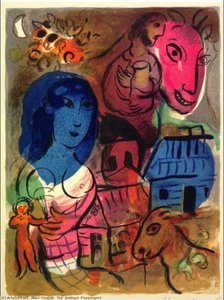
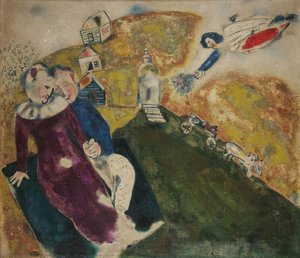
In the profound depths of Marc Chagall’s 1962 masterpiece, The Trap, viewers are invited into a realm where the boundaries between the tangible world and the ethereal dream dissolve. This painting is far more than a mere composition of pigment on canvas; it is a distilled essence of memory, emotion, and the artist’s signature ability to weave fantastical visions with grounded, poignant observation. As one gazes upon the canvas, they encounter a scene that feels both intimately personal and universally mythic. The work serves as a lyrical exploration of the human condition, capturing a delicate dance between reality and the subconscious, much like a half-remembered dream that lingers in the mind long after waking.
The composition presents a striking visual dialogue between figures and the cosmos. Two central figures, draped in vibrant hues of crimson and deep azure, stand side by side, their gazes directed upward toward an unseen celestial phenomenon. This upward movement creates a sense of yearning and spiritual aspiration. Adding to the surrealist charm is the presence of an animal figure, also adorned in red, floating near the top of the frame. The backdrop, a profound and enveloping blue, provides a nocturnal, infinite stage that allows the primary colors to pulse with life, creating a color scheme that is as much about emotional temperature as it is about visual balance.
Chagall’s approach to technique in The Trap exemplifies his mastery over the expressive potential of paint. Eschewing the rigid constraints of meticulous realism, he employs bold, swirling lines and expressive brushstrokes that imbue the canvas with a palpable, rhythmic energy. The use of tempera on canvas is particularly noteworthy here; this medium allows for a remarkable luminosity and textural depth, giving the colors a translucent quality that feels as though they are glowing from within. This technique is essential in achieving the ethereal, weightless atmosphere that characterizes his most celebrated works.
The palette is a deliberate emotional tool. Chagall utilizes a vibrant spectrum dominated by reds, blues, yellows, and greens—hues that evoke the nostalgic landscapes of his youth in Vitebsk. The intense red of the figures' garments acts as a heartbeat within the cool blue expanse, symbolizing passion, life, and perhaps the very "trap" of human emotion. For collectors and interior designers, this interplay of color offers a sophisticated focal point, capable of injecting both warmth and contemplative depth into a curated space.
To understand The Trap is to understand the resilience of the human spirit amidst displacement. Created in 1962, following Chagall’s relocation to America after escaping the horrors of Nazi persecution, the painting carries the heavy, silent echoes of loss and survival. The central motif—a stylized cage or trap—serves as a powerful symbol of both physical confinement and psychological imprisonment. It represents the anxieties surrounding mortality, the inescapable grip of fate, and the struggle to maintain one's identity when uprooted from one's homeland.
Yet, even within this theme of entrapment, there is an undeniable sense of transcendence. The upward gazes of the figures suggest a refusal to be broken by the weight of existence. This tension between the "trap" of earthly suffering and the freedom of the imagination is what makes Chagall’s work so enduringly relevant. For those seeking to acquire a high-quality reproduction of this piece, The Trap offers more than just aesthetic beauty; it provides a profound narrative of hope and the eternal human quest for meaning amidst the shadows of history.
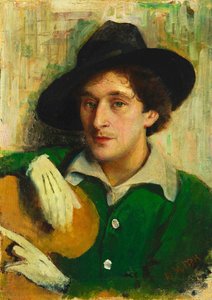
1887 - 1985 , 白俄罗斯

Explore the profound depths of Surrealism. From Dalí’s dreamscapes to Magritte’s enigmas, master the history of the subconscious mind through our expert art guide and discover museum-quality oil reproductions of the world's most iconic surrealist masterpieces.

Explore the profound depths of Surrealism through a scholarly lens. Discover the symbolism, history, and technical brilliance behind masterpieces by Salvador Dalí and other icons. Gain expert insights into the dreamlike subconscious and the enduring legacy of Surrealist art.


第一时间获取最新的艺术新闻、独家优惠及装饰灵感。
向我们介绍您的项目需求,我们的艺术专家将为您提供 3 个个性化的艺术品推荐。
由我们的专家为您精选 3 款心仪之作 —— 完全免费!


 效果预览
效果预览
 购买手绘画作
 分享
分享 分享
分享
 详情
详情

 下载
下载
 相似作品
相似作品 X射线
X射线 幻灯片播放
幻灯片播放 展开详情
展开详情









 玻璃选项仅适用于110厘米以下的尺寸。