x





























从与原作比例一致的预设尺寸中进行选择。

您可以输入自定义尺寸,以适配特定的画框或空间。如果您选择的尺寸与原图比例不符,我们将对作品进行裁剪,或通过镜像填充/纯色填充边缘的方式来扩展图像。在开始制作之前,我们会向您发送一份数字效果图供您确认。
请注意,屏幕上的预览并不能反映实际的裁剪或扩展效果。只有效果图才能准确展示最终的构图。
虽然我们提供定制尺寸,但为了保持原图比例,我们建议您从预设列表中选择尺寸。

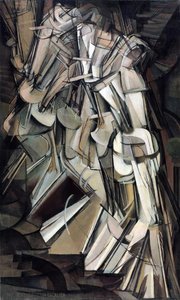
Chauvel
复制品尺寸
In the early twentieth century, a period defined by radical shifts in human perception, Marcel Duchamp unveiled "Chauvel," a work that would forever alter the trajectory of modern portraiture. This is not merely a likeness of Henri Chauvel, the French actor; it is a profound manifesto of rebellion captured on canvas. At first glance, the viewer is met with a striking presence—a man whose stern gaze and classic attire suggest a figure of historical weight. Yet, beneath this traditional veneer lies a deliberate subversion of expectation. Duchlam, ever the provocateur, uses the portrait to challenge the very boundaries of what we consider art, inviting us into a space where identity and abstraction collide.
The emotional resonance of the piece stems from its tension between the recognizable and the surreal. There is an undeniable gravity in Chauvel’s expression, a quiet intensity that commands respect, yet the atmosphere surrounding him vibrates with an almost electric energy. For the collector or the enthusiast of fine art, "Chauvel" offers more than just a visual subject; it provides a window into a moment of historical transition, where the old world of academic realism began to dissolve into the fragmented, emotive landscapes of the modern era.
To understand the impact of "Chauvel," one must look toward the explosive color palette that defines its background. Duchamp embraced the Fauvist movement, a style characterized by its liberation from naturalistic color. Instead of the muted, somber tones typical of traditional portraiture, we encounter a symphony of fiery reds, intense yellows, and deep, soulful blues. These colors do not merely decorate the space; they pulsate with an autonomous life, creating a dramatic contrast against the subject's pale complexion.
This use of color serves a symbolic purpose far beyond mere aesthetics. By divorcing hue from reality, Duchamp asserts his artistic freedom, refusing to conform to the standard of visual accuracy. For interior designers seeking a centerpiece that breathes life into a room, this painting offers an unparalleled ability to anchor a space with warmth and drama. The interplay between the monochromatic classicism of the figure and the unrestrained chromatic energy of the background creates a sophisticated visual dialogue that remains as captivating today as it was in 1910.
The technical execution of "Chauvel" marks a pivotal departure from the singular brushstroke of the past. Duchamp experimented with an early form of assemblage, a technique that would later become a cornerstone of the Dadaist movement. By integrating photographic elements with meticulously crafted wooden panels and layers of varnish, he blurred the line between painting and objecthood. This approach was inherently revolutionary; it questioned the sanctity of the artist's hand and introduced the concept of the "found" element into the high art canon.
This layering of materials adds a tactile, multidimensional quality to the work, making a high-quality reproduction an exquisite addition to any curated collection. The way light interacts with the perceived depth of the composition allows the piece to transform depending on its environment, offering different nuances of shadow and brilliance throughout the day. "Chauvel" is not just a painting to be observed; it is an experience to be inhabited—a masterpiece of intellectual depth and aesthetic boldness that continues to inspire awe in all who encounter its defiant spirit.


1887 - 1968 , 法国

Explore the radical origins of Dadaism. From the chaos of WWI to Marcel Duchamp's revolutionary readymades, discover how this anti-art movement dismantled tradition and birthed modern conceptual art. An essential guide for students and collectors of fine art history.

Explore the vibrant revolution of Fauvism. Discover how masters like Henri Matisse liberated color from reality to express pure emotion. A deep dive into art history for students and collectors seeking to understand the 'Wild Beasts' of modern art.


第一时间获取最新的艺术新闻、独家优惠及装饰灵感。
向我们介绍您的项目需求,我们的艺术专家将为您提供 3 个个性化的艺术品推荐。
由我们的专家为您精选 3 款心仪之作 —— 完全免费!


 效果预览
效果预览
 购买手绘画作
 分享
分享 分享
分享
 详情
详情

 下载
下载
 相似作品
相似作品 X射线
X射线 幻灯片播放
幻灯片播放

 展开详情
展开详情









 玻璃选项仅适用于110厘米以下的尺寸。