x
从与原作比例一致的预设尺寸中进行选择。

您可以输入自定义尺寸,以适配特定的画框或空间。如果您选择的尺寸与原图比例不符,我们将对作品进行裁剪,或通过镜像填充/纯色填充边缘的方式来扩展图像。在开始制作之前,我们会向您发送一份数字效果图供您确认。
请注意,屏幕上的预览并不能反映实际的裁剪或扩展效果。只有效果图才能准确展示最终的构图。
虽然我们提供定制尺寸,但为了保持原图比例,我们建议您从预设列表中选择尺寸。

Rotating glass plate (optical precision)
复制品尺寸
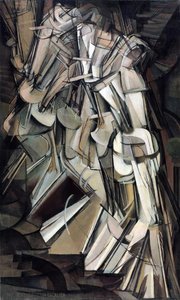
Marcel Duchamp's "Rotating Glass Plate (Optical Precision)" stands as a cornerstone of Conceptual Art, challenging conventional notions of artistic creation and prompting viewers to reconsider the very essence of perception. Created in 1920, this deceptively simple sculpture—a painted demisphere mounted on a velvet-covered disk and driven by an electric motor—represents more than just a mechanical device; it embodies Duchamp’s profound interrogation of visual experience.
The sculpture's triangular easel provides stability while simultaneously directing the viewer's gaze towards the central element—the rotating glass plate. The careful arrangement of components contributes to a sense of balance and symmetry, despite the inherent complexity of the machine. From a slightly elevated perspective, one observes the entirety of the apparatus with clarity, allowing for an appreciation of its geometric precision.
"Rotating Glass Plate" firmly establishes Duchamp as a pioneer of Conceptual Art, rejecting representational painting in favor of exploring ideas and challenging artistic conventions. Like his seminal work “Fountain,” it exemplifies the Dada movement’s rejection of accepted artistic standards and its embrace of chance and provocation—a legacy that continues to inspire artists today.
Ultimately, Duchamp's masterpiece compels us to contemplate how we perceive the world around us. “Rotating Glass Plate” isn’t merely a beautiful object; it’s an invitation to question what constitutes art and to consider the role of intellect in artistic expression—a timeless contribution to the history of modern art.


1887 - 1968 , 法国

Explore the radical origins of Dadaism. From the chaos of WWI to Marcel Duchamp's revolutionary readymades, discover how this anti-art movement dismantled tradition and birthed modern conceptual art. An essential guide for students and collectors of fine art history.

Explore the science of Op Art through the lens of masters like Victor Vasarely. Discover how geometric abstraction uses optical illusions to create movement and delve into the neuroaesthetics of perception with our expert art history guide.

Explore the scientific revolution of Neo-Impressionism. Discover how Georges Seurat and Paul Signac utilized optical mixing and color theory to redefine light and perception through the precise techniques of Pointillism and Divisionism.


第一时间获取最新的艺术新闻、独家优惠及装饰灵感。
向我们介绍您的项目需求,我们的艺术专家将为您提供 3 个个性化的艺术品推荐。
由我们的专家为您精选 3 款心仪之作 —— 完全免费!


 效果预览
效果预览
 购买手绘画作
 分享
分享 分享
分享
 详情
详情

 下载
下载
 相似作品
相似作品 X射线
X射线 幻灯片播放
幻灯片播放
 展开详情
展开详情






































 玻璃选项仅适用于110厘米以下的尺寸。