入驻售卖艺术品
愿望清单 购物车 Cart
效果预览效果预览 AR 预览AR 预览 购买手绘画作 购买手绘画作购买图片 购买图片 分享分享
详情详情 加入收藏 加入收藏 下载下载 相似作品相似作品 X射线X射线 幻灯片播放幻灯片播放

Study for ''Given: 1. The Waterfall, 2. Illuminating Gas''

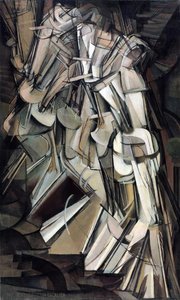
Marcel Duchamp’s ‘Study for Given: 1. The Waterfall, 2. Illuminating Gas’ – a striking abstract nude study in oil & line. Explore Cubist form & texture.

布莱尼维尔-苏尔-默 法国 马塞尔·杜尚 罗丝·塞拉维 挑战艺术定义的革命性艺术家杜尚,以达达主义和《泉》等现成品闻名。探索他的标志性作品及其哲学影响。 立体主义 观念艺术 19 世纪 80 年代 7 月 28 日 20 世纪 60 年代 10 月 2 日 马塞尔·杜尚 法国裔美国人 《泉》 立体主义 3 马塞尔·杜尚最著名的与哪个艺术运动有关?

艺术微喷/版画

博物馆级艺术微喷或帆布版画,制作高效,并提供多种饰面选择。 (购买手绘画作 购买手绘画作购买图片 购买图片)

P118B $10
P118H $10
P118W $10
P438Z $10
P508JH $12
P508YH $12
P805H $10
P805Z $10
P919BZ $10
P919G $10
P919XJ $10
P959ZH $10
P968JZ $12
W106C $8
W218G $10
W218JH $8
W218Y $10
W307PJ $10
W316G $10
W316PJ $8
W316Y $10
W398PJ $8
W4111J $10
W500HY $15
W500JH $15
W692G $12
W849H $8
W940BG $15
W953PJ $8

Standard
custom
CM
INCH

从与原作比例一致的预设尺寸中进行选择。

宽度
高度

您可以输入自定义尺寸,以适配特定的画框或空间。如果您选择的尺寸与原图比例不符,我们将对作品进行裁剪,或通过镜像填充/纯色填充边缘的方式来扩展图像。在开始制作之前,我们会向您发送一份数字效果图供您确认。
请注意,屏幕上的预览并不能反映实际的裁剪或扩展效果。只有效果图才能准确展示最终的构图。
虽然我们提供定制尺寸,但为了保持原图比例,我们建议您从预设列表中选择尺寸。

全球配送(),仅需 2 周即可送达,无需等待标准流程的 4/5 周。(18 August)

why_choose_icon
全球免费特快专递服务
why_choose_icon
优质亚麻画布
why_choose_icon
全程运输保险
why_choose_icon
关税退款保证
why_choose_icon
色彩还原度保证
why_choose_icon
60天退货政策(仅限制造缺陷)
why_choose_icon
100%退款保证
why_choose_icon
多件购买优惠

总计金额

$ 68

reproduction

Study for ''Given: 1. The Waterfall, 2. Illuminating Gas''

艺术微喷/版画

复制品尺寸

-

最终总价

$ 68

作品概览

  • subject: Nude female figure
  • year: 1949
  • title: Study for ''Given: 1. The Waterfall, 2. Illuminating Gas''
  • medium: Oil on canvas (presumed)
  • artist: Marcel Duchamp

艺术知识测试

每道题只有一个正确答案。

题目 1:
To which artistic movements is Marcel Duchamp's 'Study for ''Given: 1. The Waterfall, 2. Illuminating Gas'' ' most closely associated?
题目 2:
What is the primary subject matter of this artwork?
题目 3:
The description notes that Duchamp's work often challenges traditional notions of art. Which of his famous works exemplifies this challenge most prominently?
题目 4:
How would you best describe the artist's approach to form in 'Study for ''Given: 1. The Waterfall, 2. Illuminating Gas'' '?
题目 5:
What is a key characteristic emphasized in the artwork's description, alongside form?

藏品详情

A Study in Form: Marcel Duchamp’s ‘Given: 1. The Waterfall, 2. Illuminating Gas’

This captivating work by Marcel Duchamp, created in 1949, is not a finished painting but rather a meticulously planned *study* for his ambitious and enigmatic final project, “Étant donnés” (Given). It offers a compelling glimpse into the artist's evolving artistic concerns and provides valuable insight into the complex layers of meaning embedded within his larger work. The piece presents an abstracted nude female figure dramatically positioned against a textured, undulating backdrop.

Deconstructing the Figure: Style & Technique

Duchamp’s approach here is decidedly anti-illusionistic. He eschews traditional representational techniques in favor of a highly stylized and geometric rendering. The figure is broken down into simplified planes and angular lines, reminiscent of Cubism and early Modernist aesthetics. This fragmentation isn't about accurately depicting the human form; it’s about exploring its essential structure and challenging conventional notions of beauty. The artist employs a limited palette of browns and earth tones, emphasizing texture through visible brushstrokes and layered paint application – suggesting an almost sculpted quality to both figure and ground. The technique prioritizes form, line, and surface over realistic depiction.

Duchamp & the Nude: A Historical Context

Throughout art history, the nude has served as a vehicle for exploring ideals of beauty, mythology, and religious narratives. Duchamp, however, subverts this tradition. While acknowledging the historical weight of the nude in Western art – from classical Greek sculpture to Renaissance masterpieces – he deliberately dismantles its conventional associations. His work exists within a post-war artistic landscape grappling with existentialism and challenging established norms. The history of the nude is complex; as explored by scholars like Kenneth Clark, there's a distinction between being “naked” (stripped of clothing) and presenting a carefully constructed "nude" – an idealized form. Duchamp’s work leans towards a deconstruction of both concepts, offering something altogether different.

Unveiling the Symbolism: Beyond Representation

The title itself, “Given: 1. The Waterfall, 2. Illuminating Gas,” is deliberately ambiguous and invites multiple interpretations. Duchamp was fascinated by wordplay and paradoxes, often embedding hidden meanings within his titles and imagery. The waterfall could symbolize a flow of energy or unconscious desires, while the illuminating gas might represent revelation or exposure. However, Duchamp resisted definitive explanations, preferring to leave room for individual interpretation. The work’s power lies in its open-endedness; it doesn't *tell* you what to think but rather *provokes* questions about perception, desire, and the nature of representation.

Emotional Resonance & Artistic Legacy

Despite its abstract style, this study evokes a powerful sense of tension and mystery. The figure’s contorted pose and fragmented form suggest vulnerability and perhaps even a subtle eroticism, though it's presented in a detached, almost clinical manner. This deliberate ambiguity is characteristic of Duchamp’s work. It challenges viewers to confront their own preconceptions about the body, sexuality, and art itself. As a precursor to “Étant donnés,” this study stands as a testament to Duchamp’s innovative spirit and his enduring influence on 20th-century art – particularly Conceptual Art and its emphasis on ideas over aesthetics. It's a piece that rewards careful contemplation and continues to resonate with audiences today.

Considerations for Collectors & Designers

  • A Statement Piece: This artwork, or a high-quality reproduction, serves as a striking focal point in any collection.
  • Modern Interiors: Its abstract form and muted color palette complement modern and minimalist interior design schemes.
  • Conversation Starter: Duchamp’s work is renowned for its intellectual depth and ability to spark dialogue.
  • Historical Significance: Owning a piece connected to such an influential artist adds prestige and cultural value.

艺术家简介

马塞尔·杜尚:观念艺术的先驱与艺术定义的颠覆者

马塞尔·杜尚(Marcel Duchamp,1887-1968)并非仅仅一位艺术家,更是一位深刻的思想家和艺术界的革命者。他以其独特的视角和前卫的实践,彻底改变了人们对艺术的理解,为20世纪现代艺术的发展奠定了基石。出生于法国布莱尼维尔-叙默的小镇,杜尚早年便展现出对艺术的热情,并在巴黎美术学院学习过短暂的一段时间。然而,他很快意识到传统的艺术教育并不能满足他对艺术本质的深刻探究。他并非仅仅追求绘画技巧的精湛,而是渴望挑战艺术的定义、目的以及其在社会中的角色。这种不安于现状的精神,最终促使他走上了颠覆传统艺术观念的道路。

从立体主义到达达:对传统的决绝

杜尚的艺术生涯充满了不断地探索和转变。早期的作品受到立体主义的影响,例如《象棋棋手肖像》(1911),展现了他对碎片化形式和多重视角的兴趣。然而,他很快超越了单纯的视觉美学追求,意识到仅仅通过重新排列视觉元素并不能触及更深层次的问题。一战的残酷现实进一步加剧了他的不满,促使他投身于达达主义运动。在达达主义的影响下,杜尚开始对艺术的传统观念发起挑战。他不再致力于创造令人愉悦的美丽物体,而是希望通过作品引发思考、质疑假设,并揭示审美判断的任意性。《着装下楼的裸女》(1912)激怒了许多立体主义画家,因为它既借鉴了立体主义的色彩和形式,又融入了对运动的描绘以及对女性形象的解构。杜尚逐渐将艺术创作从视觉愉悦转向观念表达。

“现成品”:颠覆艺术定义的钥匙

杜尚最伟大的贡献莫过于“现成品”(readymade)的概念。这是一种将日常工业制品作为艺术品的做法,是对传统艺术技能和作者概念的直接挑战。他选择的物品往往是普通到难以想象的事物,例如小便池(《泉》,1917),经过他的重新命名和署名“R. Mutt”,便被提升为一件艺术品。这件作品提交给独立艺术家展览时,引发了巨大的争议,迫使人们重新思考什么是艺术、谁可以定义艺术以及艺术的价值所在。《L.H.O.O.Q》(1919)则是一张蒙娜丽莎的明信片,上面被杜尚画上了胡须和猴子的眼睛,是对艺术史经典作品的戏仿与解构。这些“现成品”并非仅仅是简单的物品摆设,而是艺术家观念的具象化,它们挑战了人们对艺术的固有认知,强调了思想在艺术创作中的主导地位。

《巨大的玻璃》:象征主义的迷宫

杜尚耗费近十年时间创作的巨幅作品《巨大的玻璃》(The Large Glass,1915-1923)是其艺术生涯中最具野心的项目之一。这件作品由两块巨大的玻璃面板组成,上面绘制着复杂的符号和图像,构成了一个神秘而迷人的世界。它被解读为对浪漫主义、工业化以及人类欲望的复杂思考。《巨大的玻璃》并非一件容易理解的作品,它的象征意义充满了歧义,但正是这种模糊性和开放性吸引了无数观众和艺术评论家。杜尚本人也从未明确解释其含义,而是鼓励观者进行自由的解读和想象。

持久的影响与遗产

马塞尔·杜尚对后世艺术家的影响是深远的。他为观念艺术的发展铺平了道路,启发了极简主义、波普艺术等一系列重要的艺术运动。他对艺术定义的质疑以及对艺术家角色重新审视的态度,至今仍激励着当代艺术家不断探索艺术的边界。《现成品》的概念彻底改变了人们对艺术创作方式的理解,强调了观念在艺术中的重要性。杜尚的作品并非仅仅是视觉上的享受,更是思想的挑战和精神的启迪。他是一位真正的革命者,用他的作品颠覆了传统的艺术观念,为现代艺术的发展开辟了新的道路。他留下的遗产,不仅仅是一系列具有历史意义的艺术品,更是一种对艺术本质的深刻思考,一种永不妥协的精神。
马塞尔·杜尚

马塞尔·杜尚

1887 - 1968 , 法国

艺术家简介

  • Artistic Movement Or Style:
    • 立体主义
    • 达达主义
    • 观念艺术
  • Artists Or Movements Influenced By This Artist:
    • 观念艺术
    • 波普艺术
    • 极简主义
  • Date Of Birth: 1887年7月28日
  • Date Of Death: 1968年10月2日
  • Full Name: 马塞尔·杜尚
  • Nationality: 法国裔美国人
  • Notable Artworks:
    • 《下楼的裸女》
    • 《泉》
    • 《大型玻璃》
    • 《波伊特-恩-瓦莱兹》
  • Place Of Birth: 布莱尼维尔-苏尔-默,法国
探索按主题、风格和特征分类的艺术作品。