A Meditation on Color and Absence: Exploring Mark Rothko’s Untitled 73
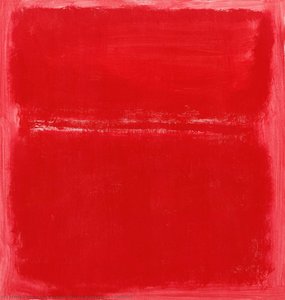
The painting “Untitled 73” by Mark Rothko stands as a testament to the power of minimalist abstraction—a deceptively simple composition that belies a profound exploration of emotion and spiritual contemplation. Captured in an image that reveals delicate floral arrangements nestled within a rustic wooden vase, this piece exemplifies Rothko’s signature style: large rectangular blocks of color layered upon one another, creating luminous washes that invite viewers into a realm beyond representational imagery. The artist's deliberate avoidance of detail isn’t merely stylistic; it’s a conscious decision to bypass the intellect and tap directly into the subconscious mind.
- Subject Matter: At first glance, “Untitled 73” presents a serene tableau—a vase brimming with white and blue flowers punctuated by subtle yellow accents. However, Rothko eschews any literal depiction of nature, prioritizing instead the emotive qualities of color itself.
- Style & Technique: Rothko’s method involved applying thin layers of pigment to canvas using a technique known as “condensation.” This process allowed for gradual blending and layering, resulting in velvety surfaces that absorb light and create an ethereal glow. The rectangular blocks are carefully positioned to overlap slightly, generating subtle shifts in hue and intensifying the overall visual experience.
The painting’s historical context is crucial to understanding its significance. Rothko emerged from the burgeoning Abstract Expressionist movement of the 1940s and 50s, reacting against the prevailing artistic conventions of realism and illusionism. Artists like Jackson Pollock and Willem de Kooning sought to express emotion through spontaneous gestures and energetic brushstrokes—a radically different approach than Rothko’s deliberate control over color and form. He was deeply influenced by Zen Buddhism and Eastern philosophy, concepts that informed his belief in art as a vehicle for spiritual transcendence.
Symbolism: While seemingly devoid of recognizable imagery, “Untitled 73” is laden with symbolic resonance. The colors—white, blue, and yellow—are not merely decorative; they represent fundamental aspects of human experience. White symbolizes purity and innocence, while blue evokes feelings of tranquility and contemplation. Yellow embodies optimism and enlightenment. Rothko’s masterful use of color creates a visual harmony that mirrors the meditative state he sought to achieve. The vase itself serves as a grounding element, anchoring the luminous blocks of color and suggesting stability amidst the expansive expanse of pigment.
Emotional Impact: Viewing “Untitled 73” is an immersive experience—one that invites viewers to surrender to its quiet beauty and allow themselves to be transported into a space of profound emotion. The painting’s subtle gradations of color evoke feelings of serenity, melancholy, and wonder. It encourages introspection and prompts contemplation on themes of mortality and the interconnectedness of existence. Rothko's intention wasn’t to provoke intellectual debate but rather to elicit an emotional response—a visceral connection with the viewer that transcends language and reason.
Ultimately, “Untitled 73” embodies Rothko’s unwavering commitment to artistic integrity and his belief in art’s capacity to communicate universal truths. Its enduring appeal lies in its ability to resonate deeply within us—to remind us of the beauty and fragility of life while simultaneously offering solace and inspiration.